Over the last few years, global eCommerce has quietly changed direction.
For a long time, sellers focused on where customers were.
Now they focus on where fulfillment happens.
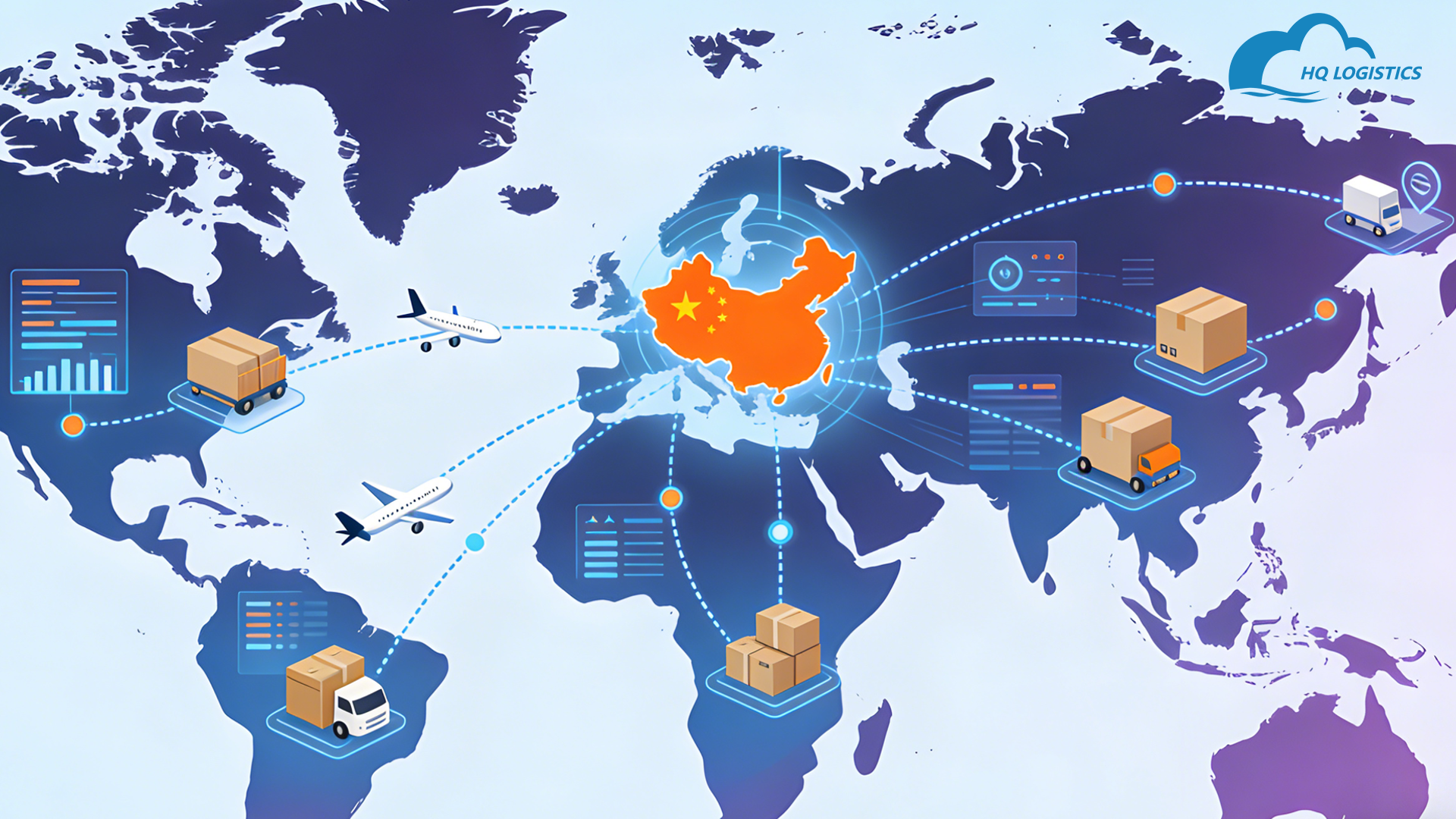
In 2026, more brands — including US, European, and Middle East sellers — are moving part of their operations toward a China fulfillment center.
This shift isn’t about manufacturing anymore.
It’s about speed, flexibility, and control.
Most sellers today know how to run ads.
They understand TikTok creatives, influencer marketing, and product testing.
But growth creates a different issue:
rising shipping costs/unstable delivery times/supplier handling delays/customer support pressure
Many stores don’t struggle to get orders.
They struggle to deliver them consistently.
This is where a 3PL fulfillment system becomes critical.
A store can scale marketing quickly.
But without structured fulfillment, scaling simply multiplies problems.
A few years ago, sellers relied mainly on individual suppliers shipping orders one by one.
That model worked for early dropshipping.
It doesn’t work well for scaling brands.
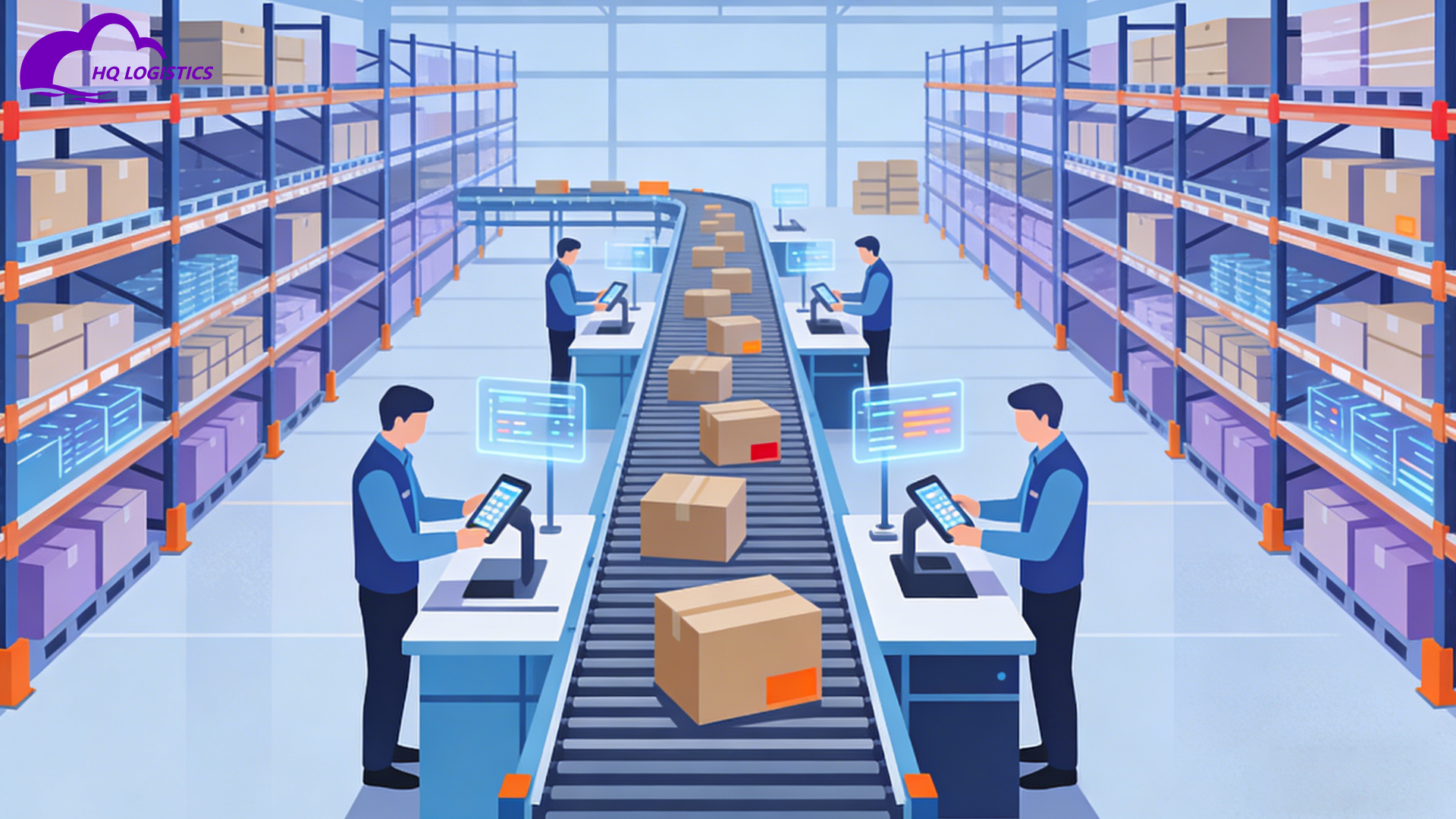
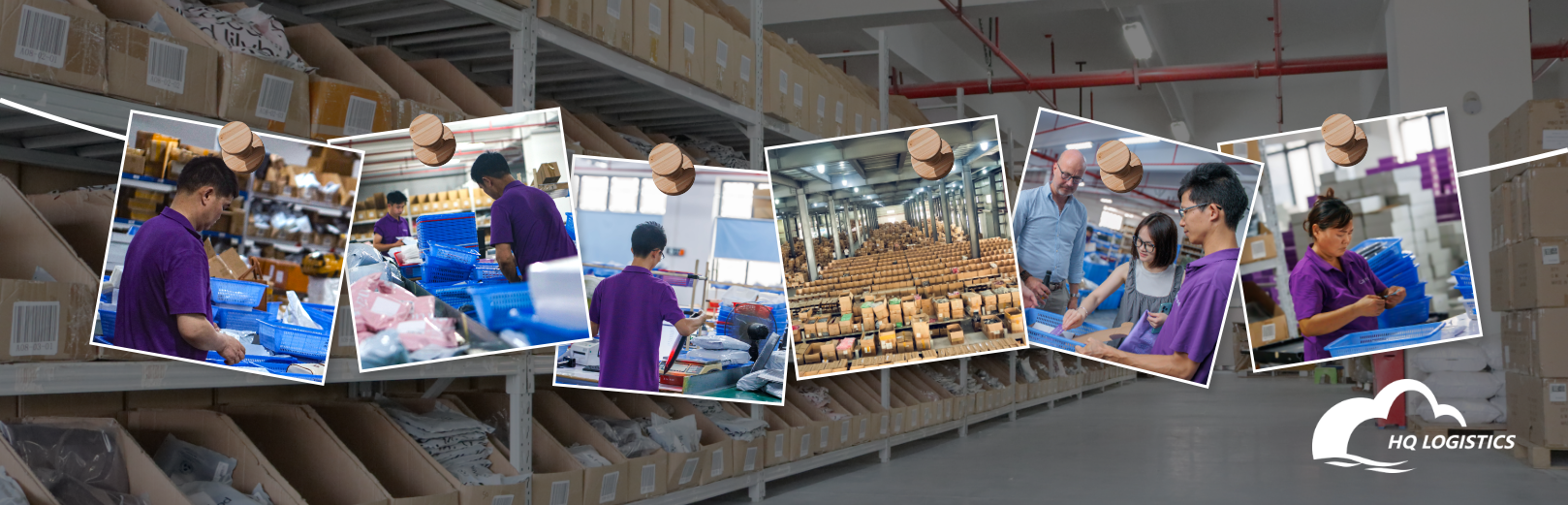
A modern China fulfillment center provides centralized operations:
inventory storage/order processing/quality inspection/packaging/international shipping
Instead of managing multiple factories, sellers manage one fulfillment partner.
The result is predictable operations.
Speed in eCommerce is not only delivery time.
It begins the moment an order is placed.
Supplier handling time:
3–7 days (sometimes longer during peak season)
3PL warehouse processing:
24–48 hours
This difference directly affects:
tracking upload speed/customer confidence/dispute rate
Customers usually become worried not when a package travels,
but when nothing happens after purchase.
Traditional dropshipping depends heavily on suppliers.
That means:
inconsistent packaging/out-of-stock products/slow communication
With a fulfillment warehouse, inventory is already stored and ready.
Dropshipping becomes managed fulfillment instead of supplier shipping.
Sellers gain:
stable SKU management/inventory tracking/predictable processing time
This is why many growing Shopify brands still call themselves dropshipping stores —
but operationally, they are running a 3PL fulfillment model.
International shipping is no longer a single route.
Different countries require different solutions.
For example:
US prefers stable last-mile delivery/Europe requires customs-friendly documentation/Middle East prioritizes delivery success rate
A China fulfillment center can switch shipping lines based on:
destination country/season/parcel weight/customs policy
This flexibility is difficult for individual suppliers to provide.
Many sellers assume faster shipping always means higher cost.
In reality, structure matters more than speed.
When inventory is consolidated in one warehouse:
bulk shipping rates apply/packaging becomes standardized/operational errors decrease
The total cost per order often becomes lower than supplier dropshipping, while delivery becomes more stable.
This is why scaling brands move away from purely supplier-based fulfillment.
Last year we spoke with a Shopify seller doing around 80 orders per day.
Their ads were profitable.
But support tickets kept growing:
“Where is my order?”
“Tracking not updating.”
The issue wasn’t marketing.
Orders were being forwarded to multiple suppliers, each shipping differently.
After moving inventory into a fulfillment center:
processing became consistent/tracking uploaded faster/refunds dropped
Nothing changed in advertising.
Customer experience changed.
You don’t need 5,000 orders/day.
Usually, sellers should consider a 3PL partner when:
daily orders exceed 20–30/multiple suppliers are involved/support tickets increase/you want branded packaging
At this stage, fulfillment stops being a background task.
It becomes infrastructure.
Dropshipping isn’t disappearing.
It’s evolving.
Early dropshipping = supplier ships each order.
Modern dropshipping = inventory stored in a fulfillment warehouse, shipped on demand.
In other words:
Dropshipping is no longer about not holding inventory.
It is about not managing logistics yourself.
And that is exactly the role of a professional 3PL fulfillment partner.
Q1: Is a China fulfillment center only for large brands?
No. Many small and mid-size Shopify stores use fulfillment warehouses once order volume becomes stable.
Q2: Will storing inventory in China slow delivery?
Usually the opposite — structured shipping lines often improve consistency.
Q3: Can I still run dropshipping?
Yes. Orders are still shipped individually to customers; the difference is controlled processing.
Q4: What products benefit most?
Lightweight consumer goods, accessories, home products, and trending items.
Q5: Do I need to buy huge inventory?
No. Many sellers begin with small batches to test demand.
In 2026, competitive advantage in eCommerce is no longer just product or ads.
It is operational reliability.
And for many global sellers, that reliability increasingly starts with a China fulfillment center.
📩Email: zoye@fulfllment-cn.com
PREVIOUS RECOMMENDATIONS





Customer's favorable comments is our eternal motivation. We feel grateful for all the support and company.
Lorem ipsum dolor sit amet, consetetur sadipscing elitr, sed diam nonumy eirmod tempor invidunt ut labore et dolore magna aliquyam erat, sed diam voluptua.