
Spring is not just another season in eCommerce.
It’s a transition period.
Customers shift from winter essentials to lifestyle upgrades.
Outdoor activity increases.
Home refresh demand rises.
Gift occasions begin.
Stores that prepare early scale.
Stores that rely on slow suppliers struggle.
The difference is usually fulfillment.

Spring purchases are optional, not urgent.
That means customers compare:
price/delivery time/store credibility
If shipping feels slow or uncertain, they leave.
Reliable fulfillment directly impacts conversion rate.
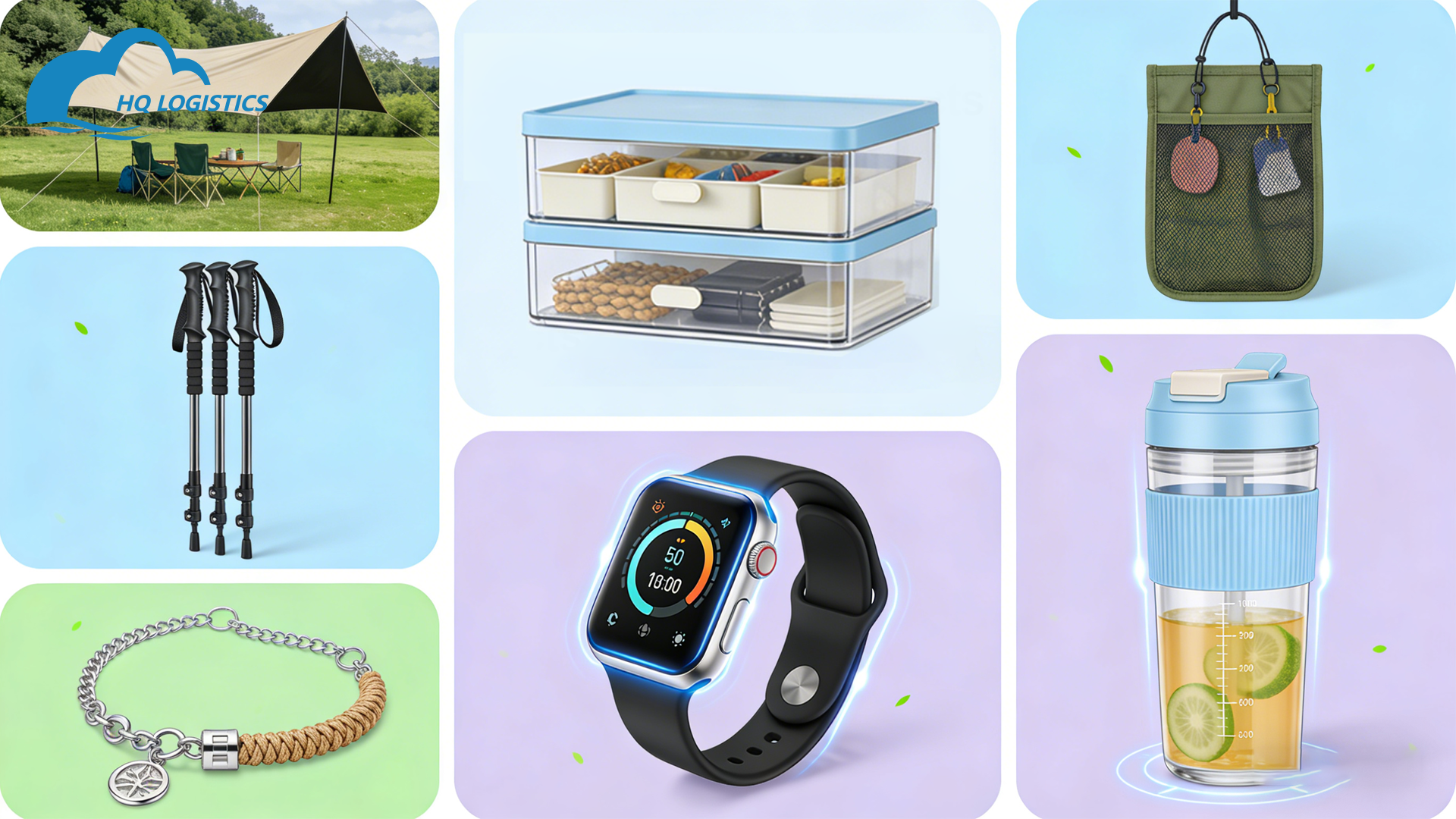
Popular items:
picnic blankets/water bottles/mini fans/lightweight backpacks
Why they sell:
seasonal relevance/impulse-friendly pricing/easy bundling
Fulfillment tip:
Fast processing matters. Weekend plans don’t wait.
Trending:
storage organizers/plant pots/decorative lights/cleaning tools
Spring cleaning drives consistent demand.
Fulfillment tip:
Use structured warehousing to reduce damage and improve packaging quality.
High movers:
sunglasses/tote bags/jewelry/scarves
Fashion is timing-sensitive.
Late delivery = lost relevance.
Fulfillment tip:
Pre-stock inventory to cut handling time to 24–48 hours.
Spring reset mindset boosts:
resistance bands/posture tools/foam rollers/sleep products
Lightweight and high margin.
Fulfillment tip:
Always use tracked shipping for customer confidence.
Spring includes:
Mother’s Day/graduations/appreciation gifts
Gift buyers care about arrival dates.
Fulfillment tip:
Stable tracking + optional custom packaging increases perceived value.
Here’s a simple pattern we’ve seen.
Ads perform well.
Orders increase.
Support tickets increase faster.
The reason?
Supplier processing time: 4–7 days.
Customers expect faster updates.
When inventory moves to a fulfillment warehouse:
processing drops to 24–48 hours/tracking uploads quickly/refund rate decreases
Same product.
Different operational structure.
4–6 weeks before season
select SKUs/forecast demand
3–4 weeks before
send inventory to fulfillment center/test shipping routes
During peak
monitor delivery time/adjust carriers if needed
Simple planning prevents seasonal disruption.
relying only on suppliers/ignoring processing time/launching products too late/unclear delivery messaging
Most dropshipping issues are operational, not marketing-related.

Q1: When should I prepare Spring inventory?
Late January to early February.
Q2: Is a fulfillment warehouse necessary?
Once daily orders stabilize, yes — it improves consistency.
Q3: Does fulfillment impact ad results?
Indirectly. Faster delivery reduces refunds and increases repeat purchases.
Q4: Are seasonal products risky?
Only if shipping is unreliable.

Spring growth doesn’t come from trends alone.
It comes from choosing the right products —
and supporting them with reliable fulfillment.
📩Email: zoye@fulfllment-cn.com
PREVIOUS RECOMMENDATIONS






Customer's favorable comments is our eternal motivation. We feel grateful for all the support and company.

Lorem ipsum dolor sit amet, consetetur sadipscing elitr, sed diam nonumy eirmod tempor invidunt ut labore et dolore magna aliquyam erat, sed diam voluptua.