
Major global sports events often create massive ecommerce demand. The 2026 FIFA World Cup is expected to drive millions of online purchases for fan merchandise, themed apparel, and sports accessories.
For ecommerce sellers and dropshipping businesses, this surge in orders can be extremely profitable. However, it also creates one major challenge: shipping delays.
During high-demand periods, logistics networks become congested, warehouses face higher order volumes, and delivery expectations increase. If sellers do not prepare in advance, delays can quickly lead to negative customer experiences.
This article explains practical strategies ecommerce sellers can use to avoid shipping delays during the 2026 World Cup season.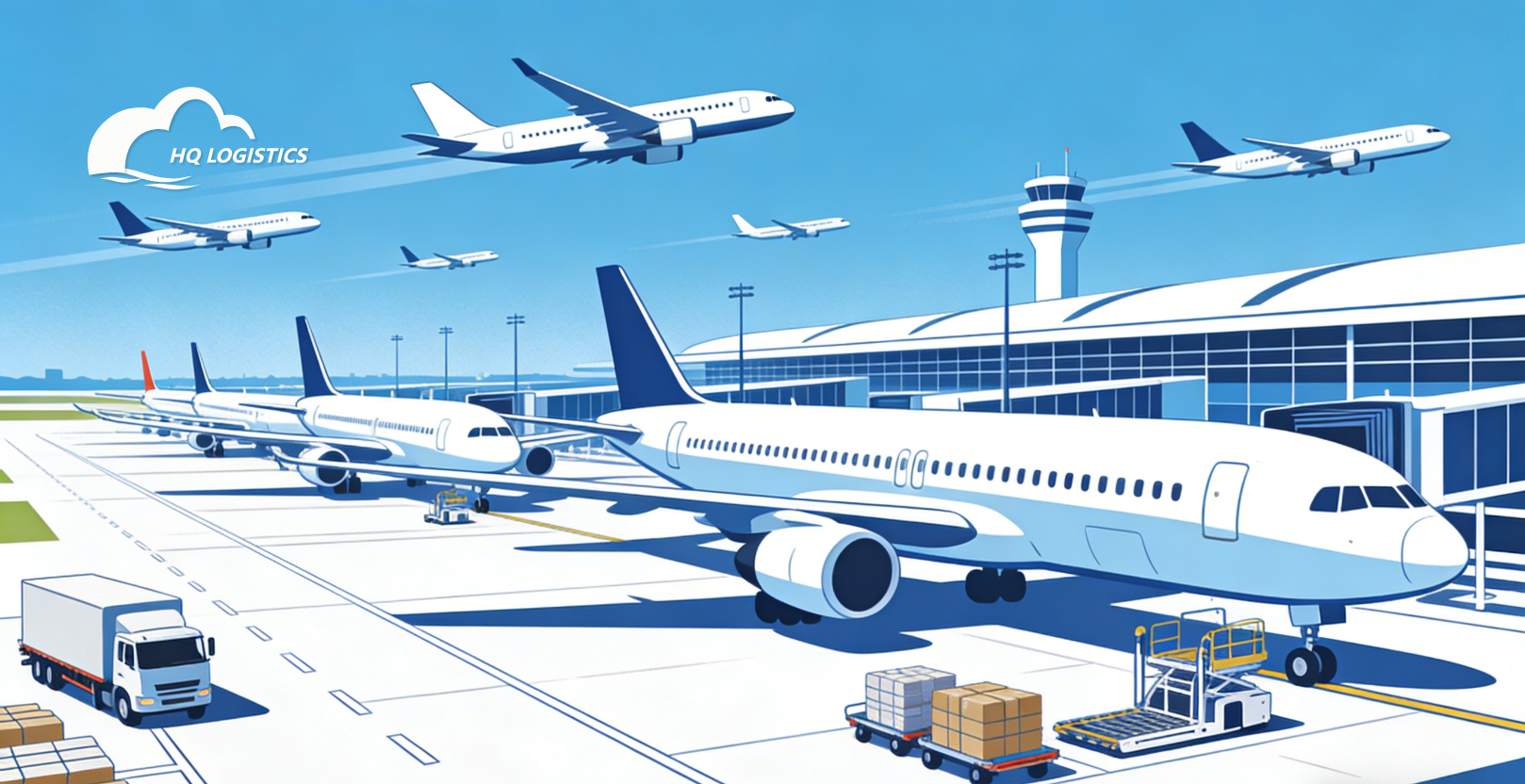
Large-scale sporting events significantly increase ecommerce traffic. When millions of fans order products at the same time, logistics systems experience pressure in several areas.
Common causes of delays include:
• Sudden spikes in order volume
• Limited warehouse processing capacity
• Carrier congestion and slower transit times
• Inventory shortages
• Poor demand forecasting
Events like the 2026 FIFA World Cup can easily overwhelm unprepared fulfillment systems.
One of the most effective ways to prevent delays is accurate demand forecasting.
Sellers should analyze:
• Previous sports event sales data
• Trending fan products
• Regional demand for team merchandise
• Marketing campaign timelines
By forecasting demand early, sellers can ensure enough inventory is available before the sales spike begins.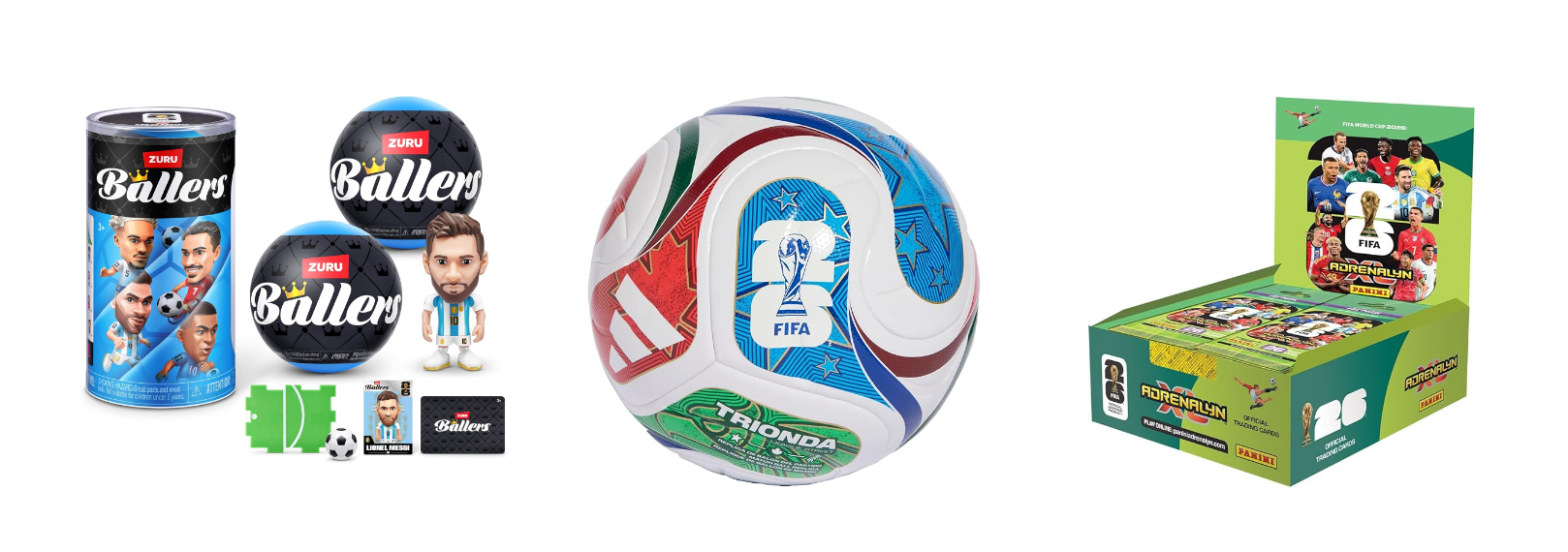
Inventory shortages are one of the biggest causes of delayed shipments.
To avoid this problem:
• Order products from suppliers early
• Keep safety stock for high-demand items
• Prioritize best-selling fan merchandise
• Work with reliable suppliers
Preparing inventory several weeks before the 2026 FIFA World Cup begins can dramatically reduce fulfillment pressure.
When order volume increases rapidly, manual fulfillment becomes inefficient.
A scalable fulfillment system helps by:
• Processing orders automatically
• organizing inventory efficiently
• reducing human errors
• speeding up packaging and dispatch
Automation tools and integrated warehouse systems allow sellers to handle large traffic spikes without slowing down operations.
Many ecommerce sellers rely on third-party logistics (3PL) providers during high-demand seasons.
A professional fulfillment partner offers:
• larger warehouse capacity
• faster order processing
• established shipping networks
• better carrier relationships
During events like the 2026 FIFA World Cup, 3PL providers are often better equipped to manage sudden order surges.
Delivery speed becomes extremely important during event-based ecommerce.
Customers buying fan products want their items before the match begins, not after.
Sellers should consider:
• priority shipping lines
• direct international routes
• DDP shipping services
• regional fulfillment hubs
Using optimized shipping routes can reduce delivery time and minimize delays.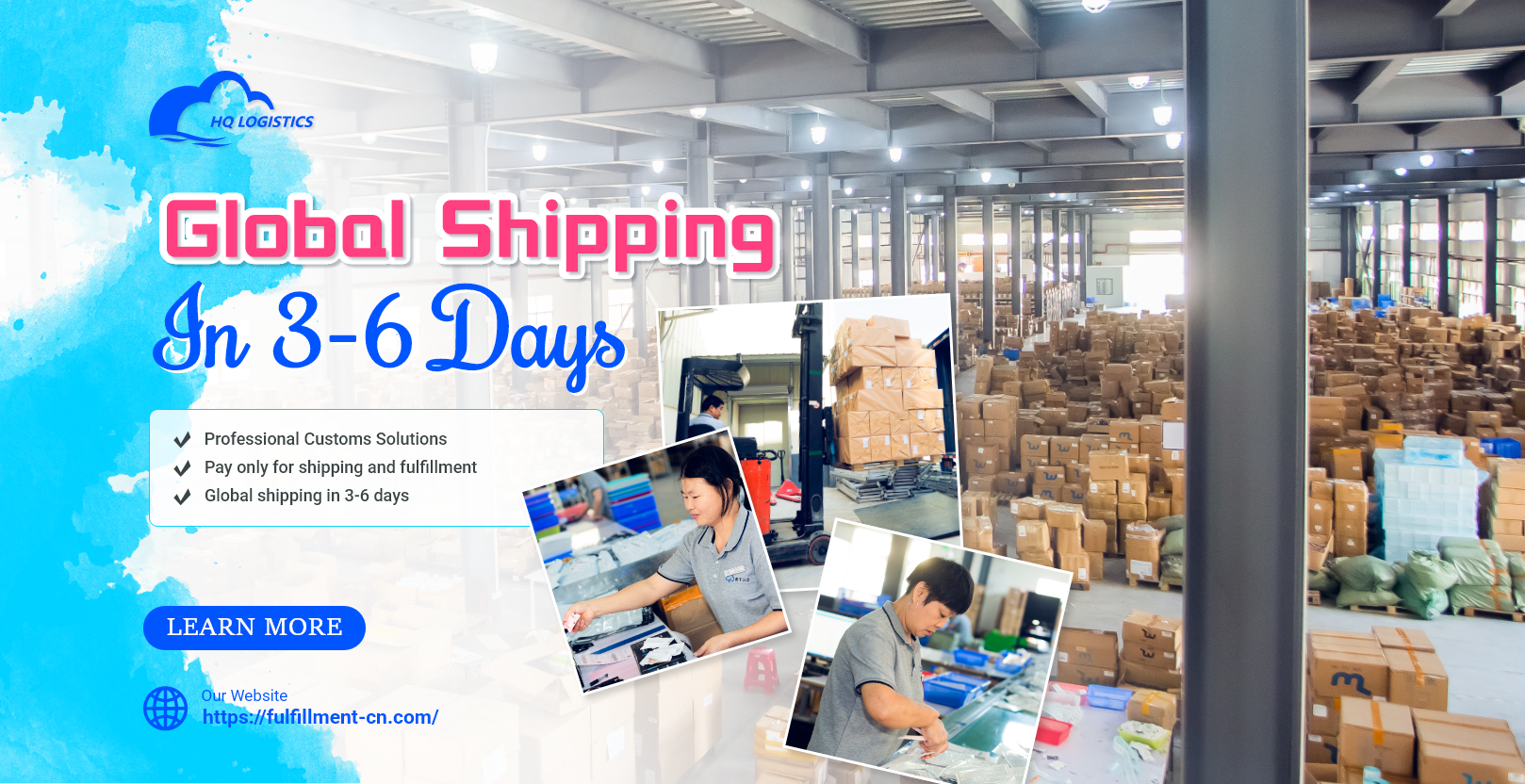
Communication is critical when dealing with large numbers of orders.
Automated tracking systems help by:
• syncing orders directly from ecommerce stores
• sending real-time shipping updates
• providing customers with tracking numbers automatically
This reduces support requests and improves the overall shopping experience.
Even with strong logistics planning, some delays may still occur.
Sellers should prepare customer support by:
• creating automated order updates
• preparing FAQ pages for shipping questions
• responding quickly to delivery concerns
Clear communication can reduce customer frustration during busy sales periods.
Why do shipping delays happen during major sports events?
High order volumes, warehouse congestion, and carrier limitations often slow down fulfillment during major events.
How early should sellers prepare inventory?
Ideally, sellers should secure inventory several weeks before the event begins to avoid supply shortages.
Is a 3PL helpful during seasonal demand spikes?
Yes. 3PL providers offer scalable infrastructure and faster order processing during peak sales periods.
Can faster shipping lines prevent delays completely?
They reduce delivery time significantly, but proper inventory planning and fulfillment preparation are also essential.
Do automated systems help during peak ecommerce seasons?
Yes. Automation improves order processing speed and reduces operational errors.
The 2026 FIFA World Cup will create huge ecommerce opportunities for sellers offering fan-related products. However, without proper logistics planning, shipping delays can quickly impact customer satisfaction.
By forecasting demand, securing inventory early, using scalable fulfillment systems, and partnering with reliable logistics providers, ecommerce businesses can successfully handle peak order volumes.
Preparation is the key to turning major global events into profitable and smooth ecommerce operations. ⚽📦🚚
📩Email: zoye@fulfllment-cn.com
PREVIOUS RECOMMENDATIONS






Customer's favorable comments is our eternal motivation. We feel grateful for all the support and company.

Lorem ipsum dolor sit amet, consetetur sadipscing elitr, sed diam nonumy eirmod tempor invidunt ut labore et dolore magna aliquyam erat, sed diam voluptua.