
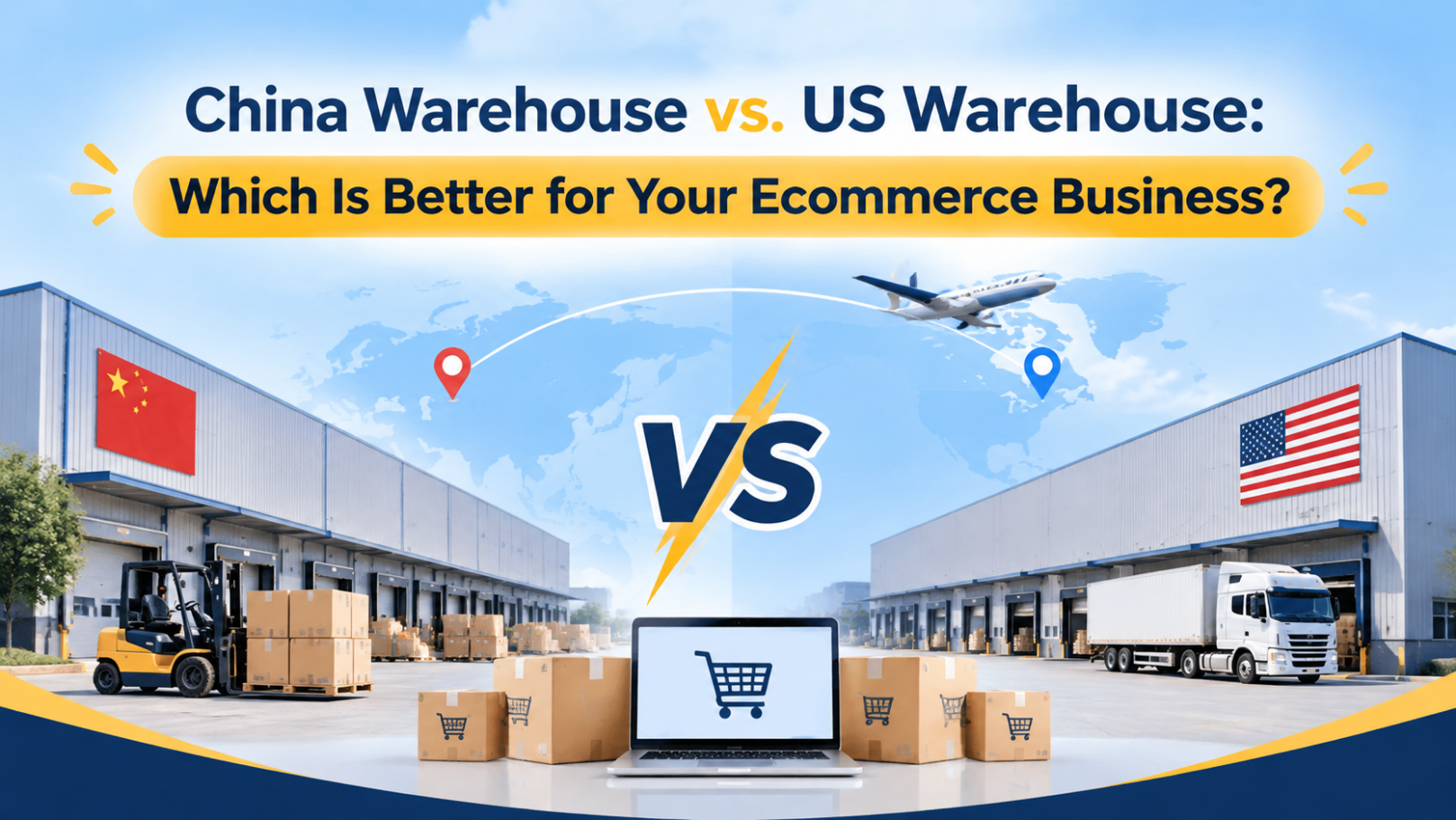
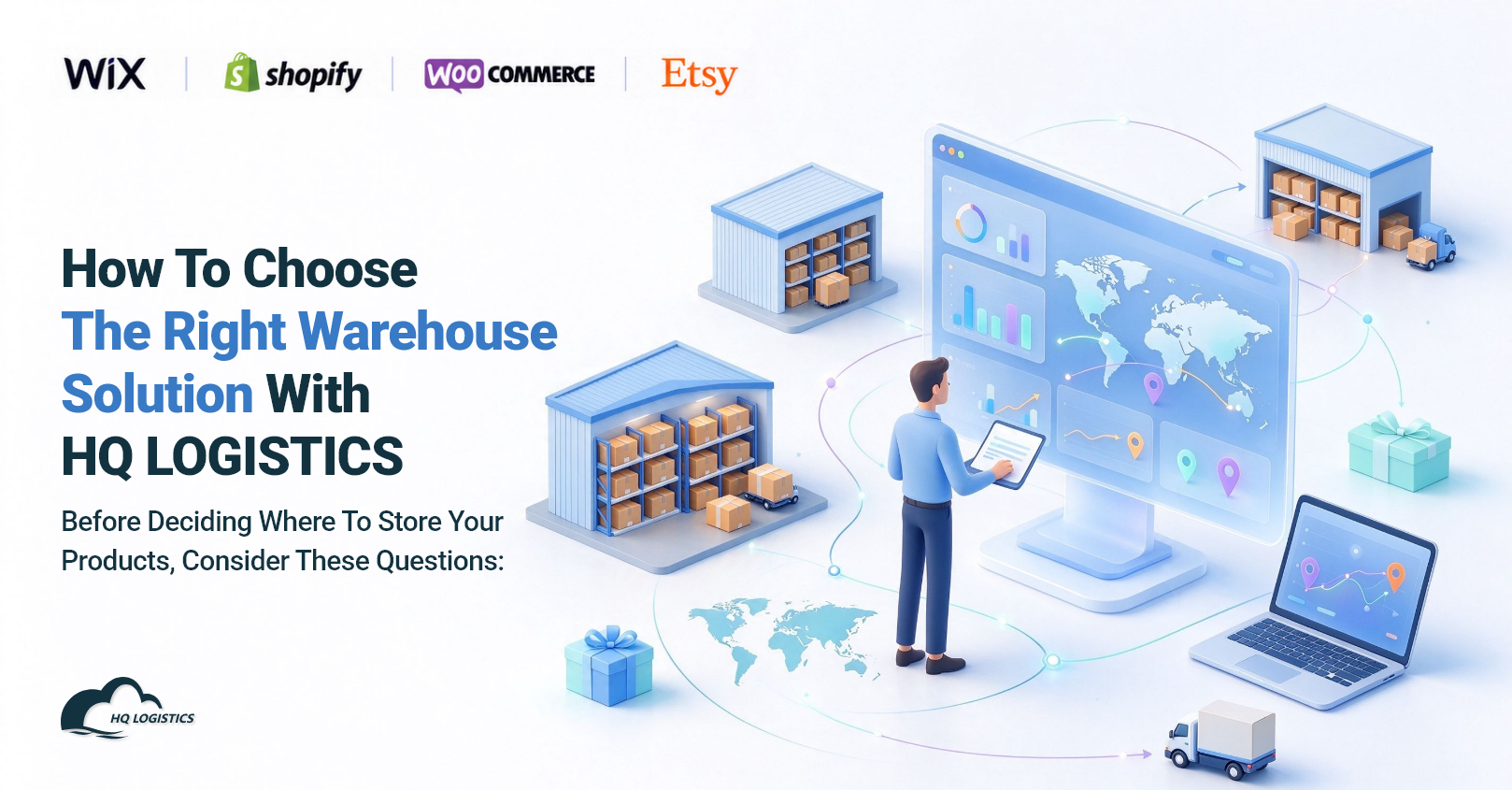
Choosing the right warehouse location can have a major impact on your ecommerce costs, delivery speed, and inventory management.
For businesses sourcing products from China and selling to customers in the United States, two common options are China warehousing and US warehousing.
A China warehouse keeps products close to suppliers and makes sourcing and purchasing easier. A US warehouse stores inventory closer to customers, allowing faster domestic delivery.
Both options have advantages and disadvantages. The right choice depends on your product type, order volume, inventory budget, and customer expectations.
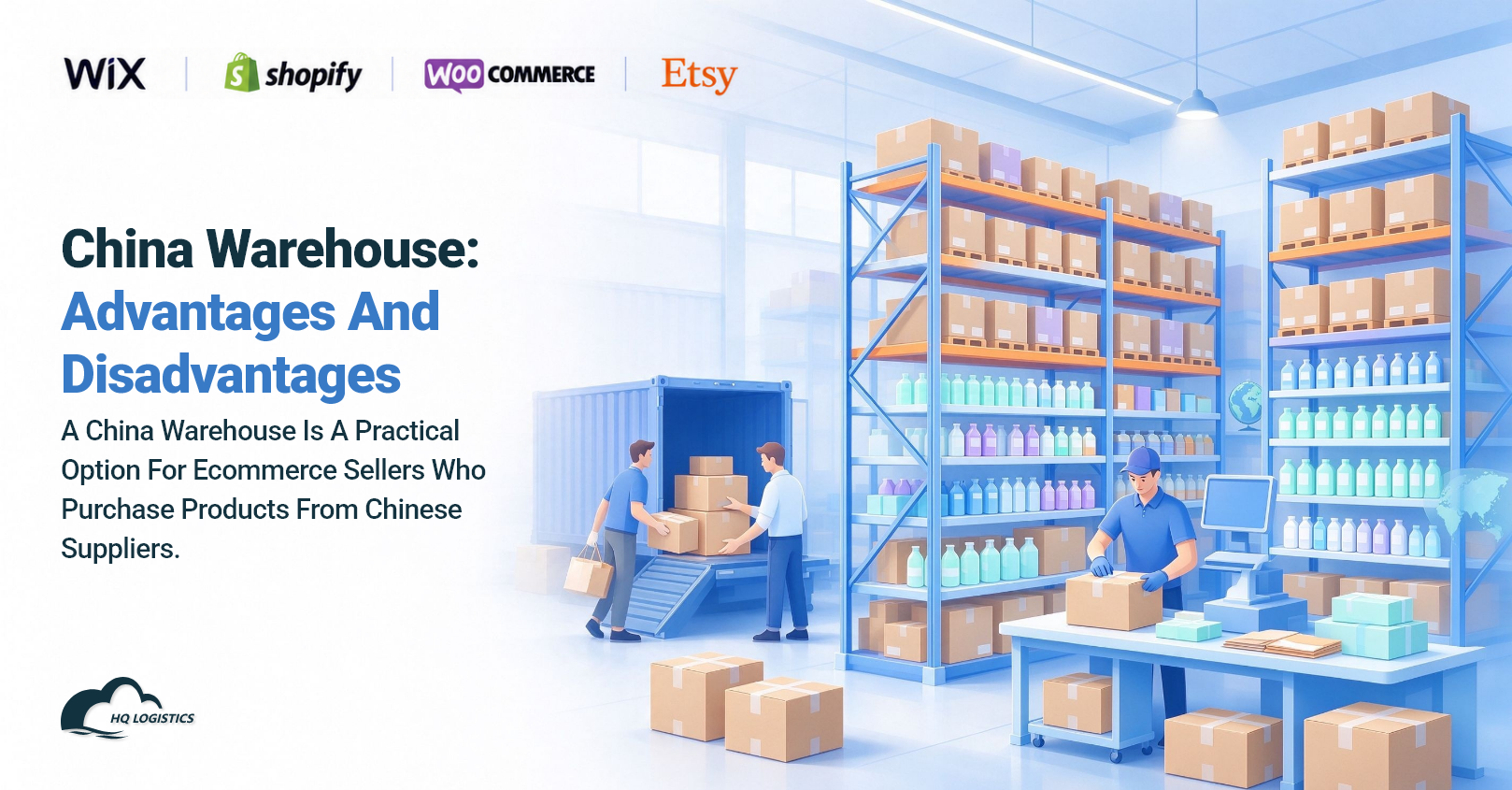
A China warehouse is a practical option for ecommerce sellers who purchase products from Chinese suppliers. Products can be received, inspected, stored, and prepared for international shipping before orders are dispatched.
1. Closer to Suppliers
China warehousing makes it easier to coordinate with manufacturers and suppliers. Products from different suppliers can be collected in one location, simplifying purchasing and inventory management.
2. More Flexible Inventory Management
You can store different products and SKUs in China without sending all inventory to the US in advance. This is useful when testing new products or managing uncertain demand.
3. Convenient Quality Inspection
Products can be checked before international shipping. Sellers can arrange sample inspections, product checks, and packaging adjustments closer to the source.
4. Easier Product Customization
Custom labels, branded packaging, inserts, and other product requirements can be coordinated before goods leave China.
1. Longer Delivery Time to US Customers
Orders must travel internationally from China to the United States. Delivery times depend on the shipping route, customs processing, product type, and destination.
2. International Shipping Costs
Individual orders require international transportation, which may affect the total fulfillment cost.
3. More Complicated Returns
Returning products across borders can be expensive and time-consuming. Sellers need a clear process for handling damaged, defective, or unwanted items.
4. Less Suitable for Customers Expecting Fast Domestic Delivery
If your customers expect quick local delivery, international fulfillment may not always meet their expectations.
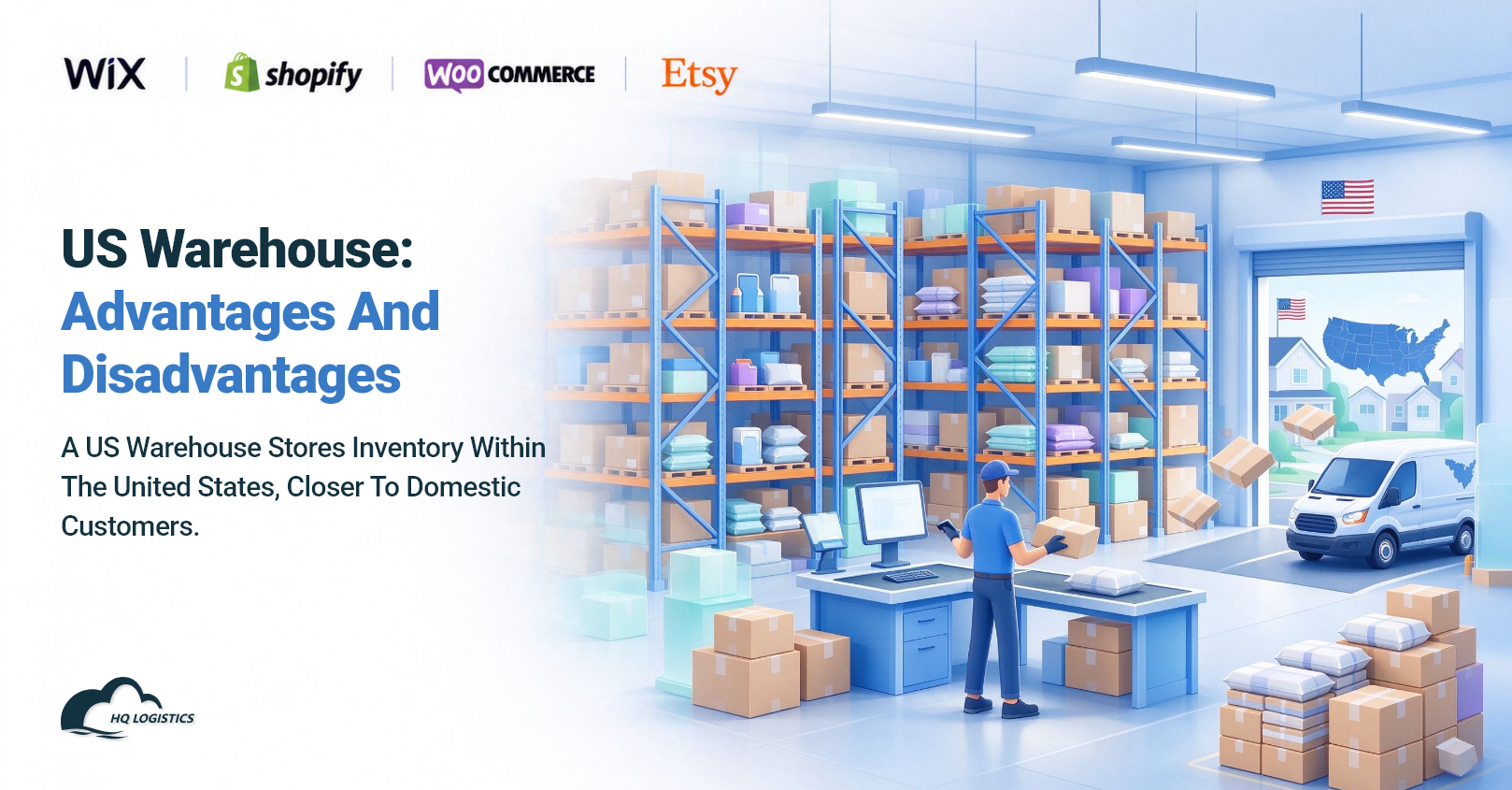
A US warehouse stores inventory within the United States, closer to domestic customers. Sellers typically ship products in bulk from China to the US before fulfilling individual orders locally.
1. Faster Domestic Delivery
Since products are already in the United States, orders can be shipped through domestic carriers. This can improve delivery speed and customer experience.
2. Easier Returns Handling
A local warehouse can make it easier to receive, inspect, and process domestic returns, depending on the services provided.
3. Better for High-Demand Products
For products with stable sales, keeping inventory in the US can help sellers fulfill recurring orders without shipping every parcel internationally.
4. More Convenient for Local Fulfillment
Domestic inventory can support local distribution and help businesses meet customer expectations for faster delivery.
1. Higher Initial Inventory Investment
Products need to be purchased and shipped to the US in advance. This requires more upfront capital, especially when stocking multiple SKUs.
2. Additional Transportation and Import Costs
Moving inventory from China to the United States involves international freight, customs procedures, and applicable import duties and fees.
3. Inventory Risk
If a product sells more slowly than expected, unsold inventory may remain in the US and continue to generate storage costs.
4. Longer Replenishment Planning
When stock runs low, sellers need to coordinate production or purchasing in China and arrange international transportation to replenish the US warehouse.
The two warehouse models serve different business needs.
| Comparison | China Warehouse | US Warehouse |
|---|---|---|
| Supplier access | Closer to manufacturers | Requires coordination with China suppliers |
| Inventory flexibility | More flexible for product testing | Better for planned inventory |
| Delivery to US customers | International shipping required | Domestic delivery |
| Quality inspection | Convenient before export | Can inspect locally after arrival |
| Custom packaging | Easier to coordinate with suppliers | Depends on local service capabilities |
| Initial investment | Can reduce the need for advance US stock | Requires inventory to be shipped in advance |
| Returns | Cross-border returns can be complex | More convenient for domestic returns |
| Best suited for | New products and flexible sourcing | Proven products and stable demand |
There is no single warehouse model that works best for every ecommerce business.
If you frequently test new products or work with multiple Chinese suppliers, a China warehouse may be more practical.
If your products have consistent sales and customers expect faster delivery, a US warehouse may be a better option.
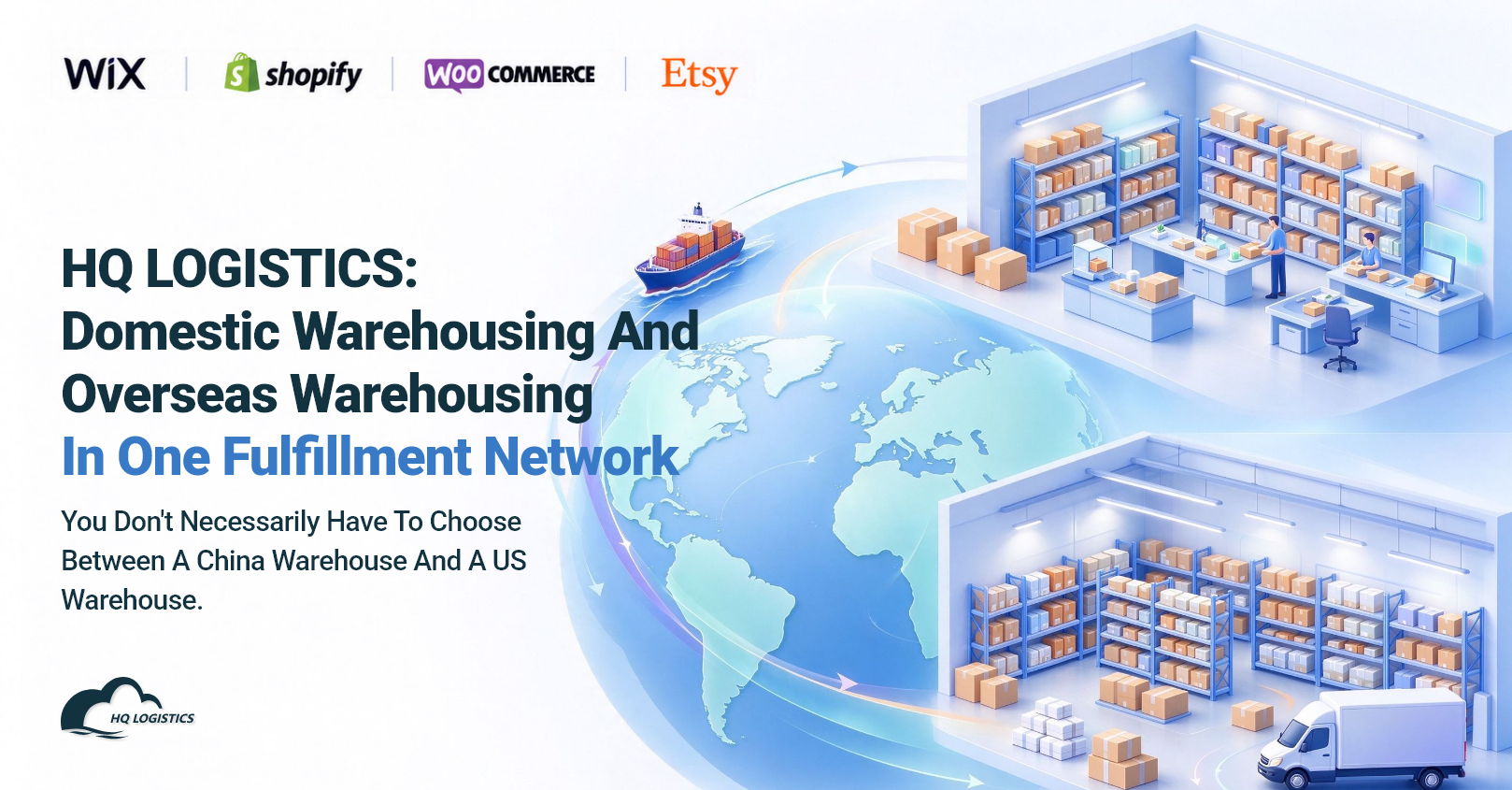
You don't necessarily have to choose between a China warehouse and a US warehouse.
HQ LOGISTICS provides both China-based warehousing and overseas warehousing solutions, helping ecommerce sellers manage inventory closer to suppliers or customers according to their business needs.
With both domestic and overseas warehouse options, sellers can build a more flexible fulfillment strategy.
HQ's China warehouse services can support:
Product receiving and inventory storage
Supplier coordination and product sourcing
Product inspection and quality control
SKU management and inventory organization
Custom packaging and branding
Order processing and international shipping
This model is suitable for sellers who need flexible sourcing, product testing, and inventory management in China.
For products with stable demand, sellers can consider positioning inventory in an overseas warehouse.
Overseas warehouse fulfillment can support:
Local inventory storage
Domestic order picking and packing
Local parcel delivery
Inventory management
Returns receiving and inspection, where available
This model helps reduce the distance between inventory and customers, making it suitable for proven products that require faster local delivery.
For growing ecommerce businesses, using both warehouse options can provide more flexibility.
For example:
New products:
Keep inventory in China while testing market demand.
Bestsellers:
Move proven products to an overseas warehouse for local fulfillment.
Slow-moving SKUs:
Keep inventory in China to avoid unnecessary overseas storage.
High-demand products:
Plan overseas replenishment based on sales and inventory data.
This approach allows sellers to balance inventory investment, delivery speed, and sourcing flexibility.
Before deciding where to store your products, consider these questions:
What is your average daily order volume?
Higher order volumes and stable sales may justify keeping selected inventory closer to customers.
How predictable is your product demand?
New or seasonal products may be better kept in China until sales patterns become clearer.
How quickly do your customers expect delivery?
If fast domestic delivery is important, overseas warehousing may be worth considering.
How much inventory can you afford to hold?
Compare storage fees, international freight, import costs, and inventory turnover before moving products overseas.
Do you need sourcing and customization support?
If you frequently work with Chinese suppliers, China-based warehousing can make purchasing, inspection, and packaging coordination easier.
HQ LOGISTICS can help you evaluate your product and fulfillment requirements, then coordinate a suitable combination of domestic warehousing, overseas warehousing, and international shipping.
It depends on the product, order volume, storage fees, and shipping arrangements. China warehousing can reduce the need to pre-stock large quantities overseas, while US warehousing may reduce individual order delivery costs for products with stable demand.
A US warehouse can be useful for Shopify stores with consistent US sales and customers who expect fast domestic delivery. New products and low-volume SKUs may be more flexible to manage from China.
Yes. You can keep new or slow-moving products in China while storing proven bestsellers in a US warehouse. This hybrid model helps balance inventory flexibility and delivery speed.
Consider moving products when they have stable demand, predictable replenishment, and sufficient profit margins to cover international freight, import costs, storage, and local fulfillment.
Yes. HQ LOGISTICS offers China-based warehousing and overseas warehouse fulfillment solutions. The suitable service depends on your products, destination market, inventory requirements, and order volume.
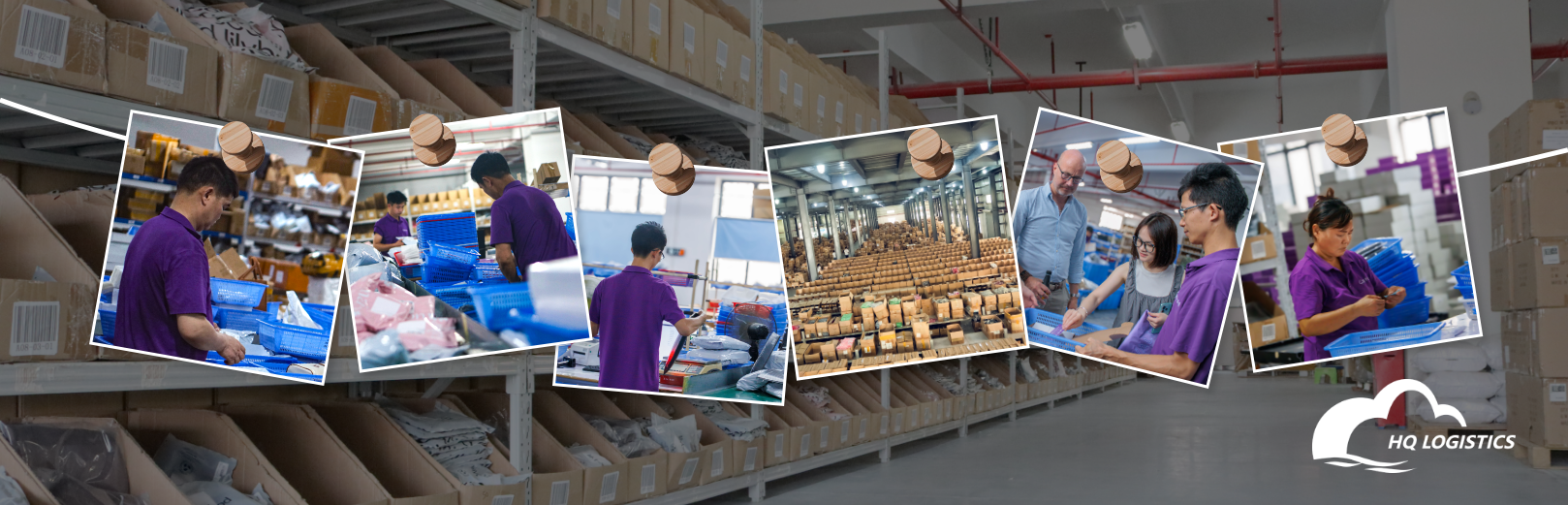
China warehouses and US warehouses each offer different advantages.
A China warehouse provides convenient supplier access, flexible sourcing, and product management. A US warehouse helps businesses fulfill domestic orders faster and manage local inventory and returns.
For ecommerce sellers, the best solution may be to use both.
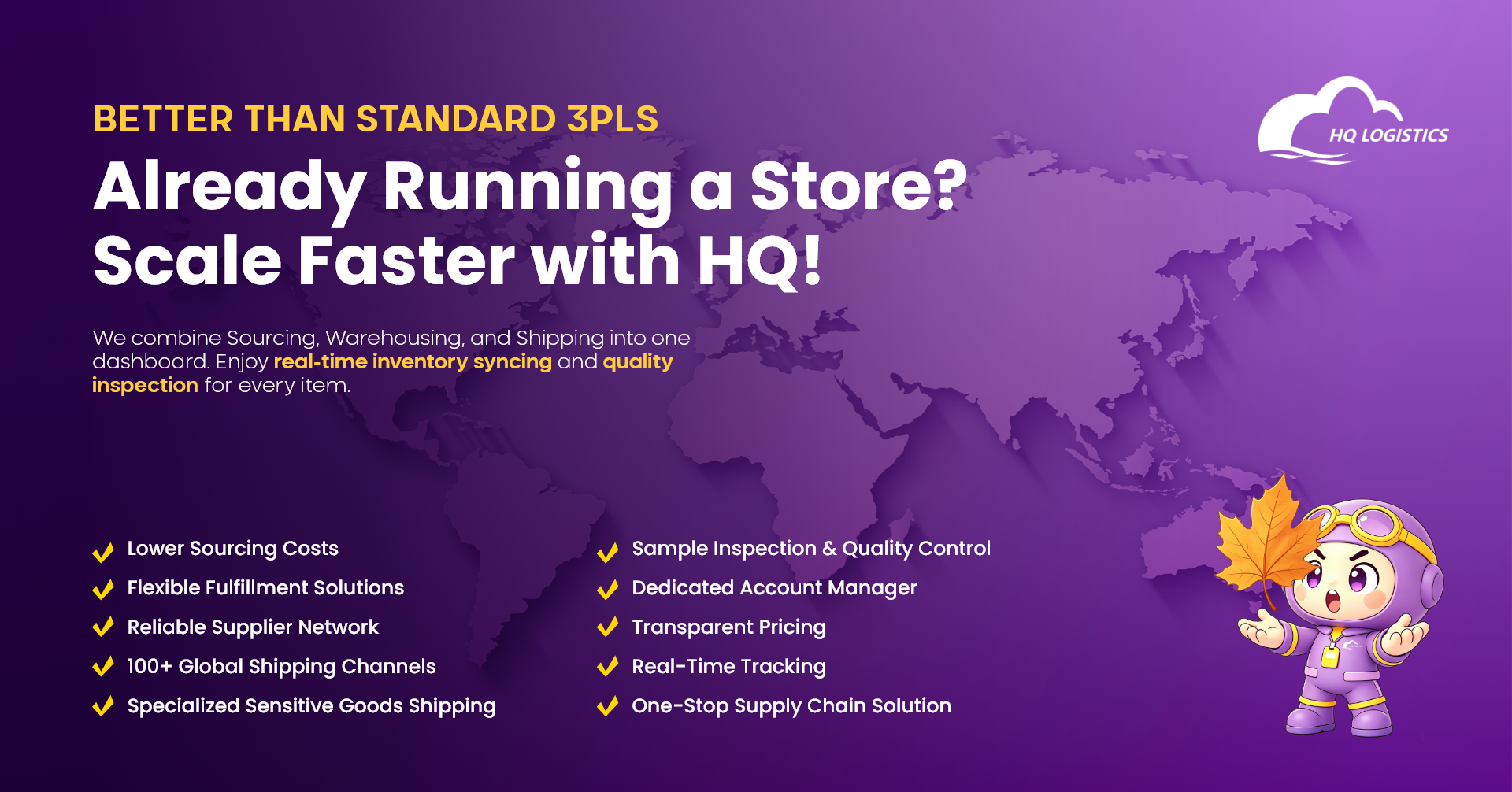
HQ LOGISTICS connects domestic warehousing, overseas warehousing, product sourcing, quality inspection, order fulfillment, and international shipping to support different stages of ecommerce growth.
Whether you are testing new products or scaling established bestsellers, HQ can help you build a warehouse and fulfillment strategy that fits your business.
📩Email: zoye@fulfllment-cn.com
Our website:
https://www.cnfulfillment.com/
PREVIOUS RECOMMENDATIONS


China warehouse US warehouse overseas warehousing ecommerce fulfillment China fulfillment center




Customer's favorable comments is our eternal motivation. We feel grateful for all the support and company.

Lorem ipsum dolor sit amet, consetetur sadipscing elitr, sed diam nonumy eirmod tempor invidunt ut labore et dolore magna aliquyam erat, sed diam voluptua.