Struggling with late orders, refunds, or messy operations as you scale?
I've seen this happen again and again.
At a certain order volume, fulfillment stops being “backend work” and starts deciding whether your business can grow.
That's where understanding what a fulfillment position really does matters — not for job seekers, but for sellers.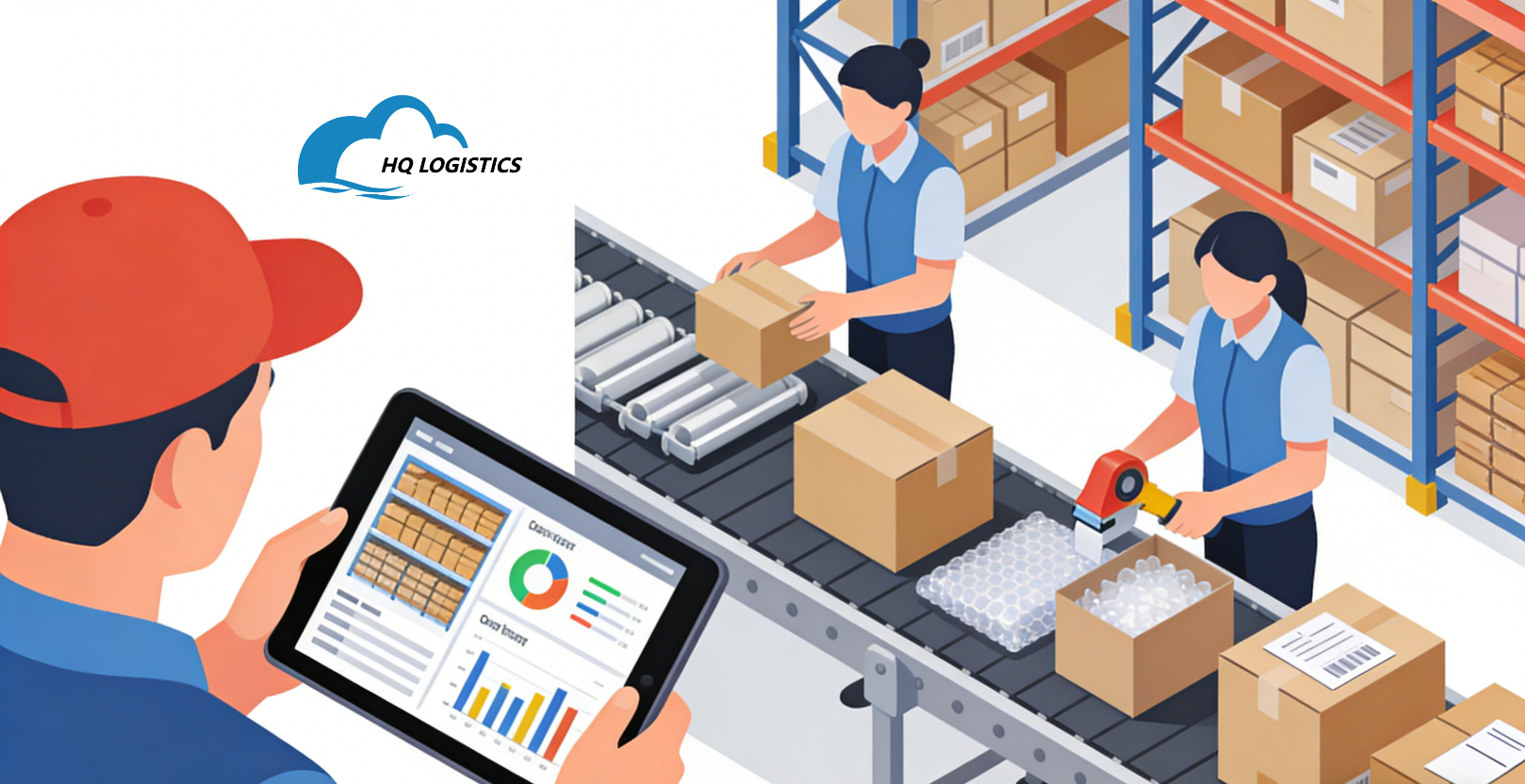
From a seller's point of view, a fulfillment position is not a job title.
It's a function that protects revenue.
A proper fulfillment role ensures:
orders go out correctly | inventory stays accurate | customers get predictable delivery.
When fulfillment fails, sellers feel it immediately:
refunds | chargebacks | bad reviews | lost ad efficiency.
Many sellers start with agents or small warehouses.
It works — until it doesn't.
I've talked to sellers doing 20–50 orders a day who said:
“Shipping was fine, but everything else was chaos.”
Common issues:
• No real QC
• No system sync
• Manual tracking updates
• Zero process during peak season
That's not a fulfillment problem.
That's a fulfillment position problem.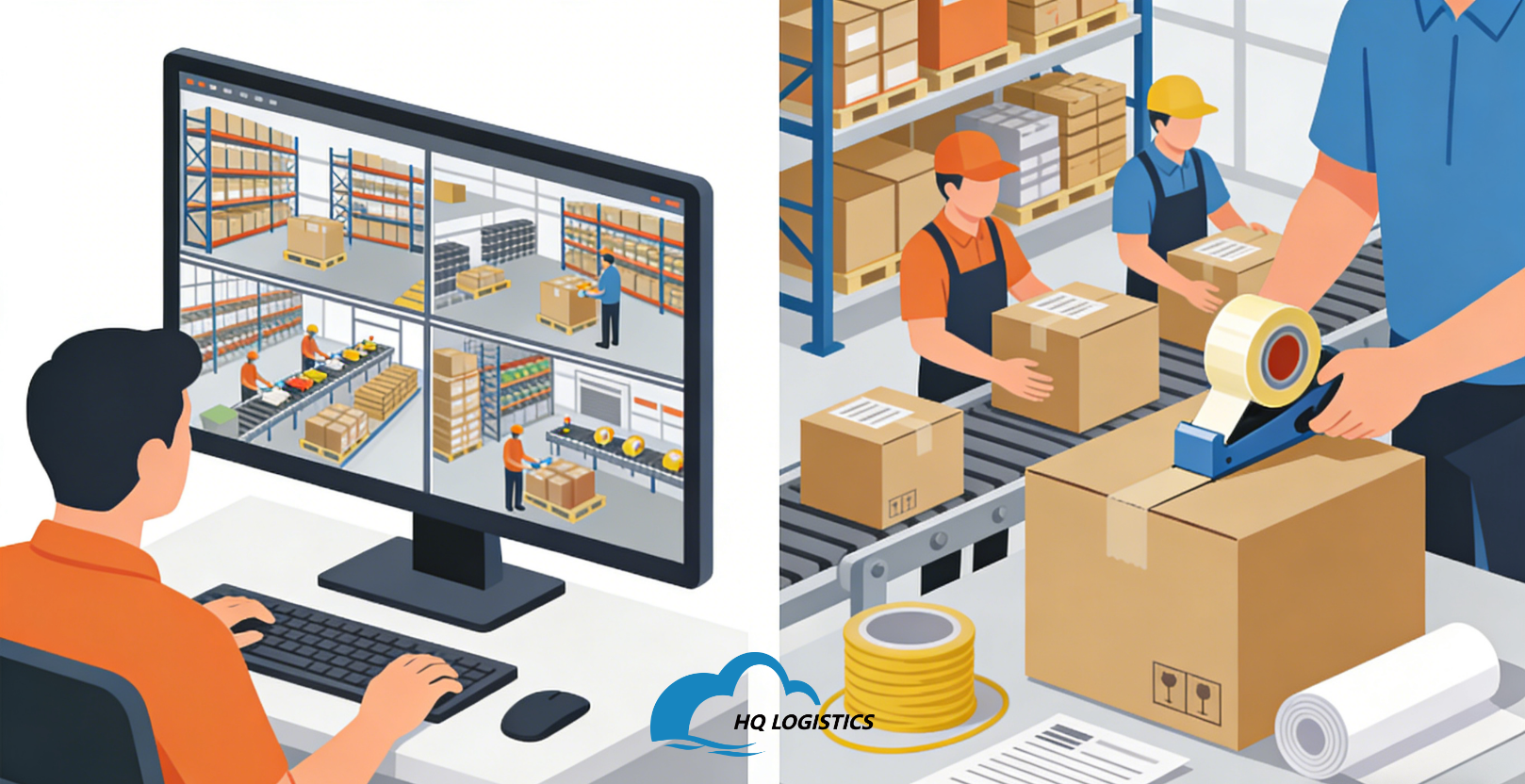
Fulfillment operators don't just pack.
They verify SKUs, quantities, variants, and condition.
One missing step = one refund.
A good fulfillment center job includes constant system updates.
Real inventory numbers | real aging | real turnover.
Without this, sellers oversell or understock.
At HQ Dropshipping, fulfillment roles are designed around seller outcomes, not warehouse shortcuts.
Our fulfillment positions combine:
system automation | human inspection | brand rules.
That means:
• Orders sync automatically from Shopify
• QC happens before packing, not after complaints
• Packaging follows brand standards, not “warehouse default”
This structure is why experienced sellers stay long-term.
One Shopify seller came to us after scaling fast.
Daily orders jumped from 15 to 80.
The problem wasn't ads.
It was fulfillment.
Tracking was late.
QC was inconsistent.
Support tickets doubled.
After switching to HQ:
processing stabilized | shipping stayed 3–8 days to the US | refunds dropped.
Same products.
Different fulfillment positions behind the scenes.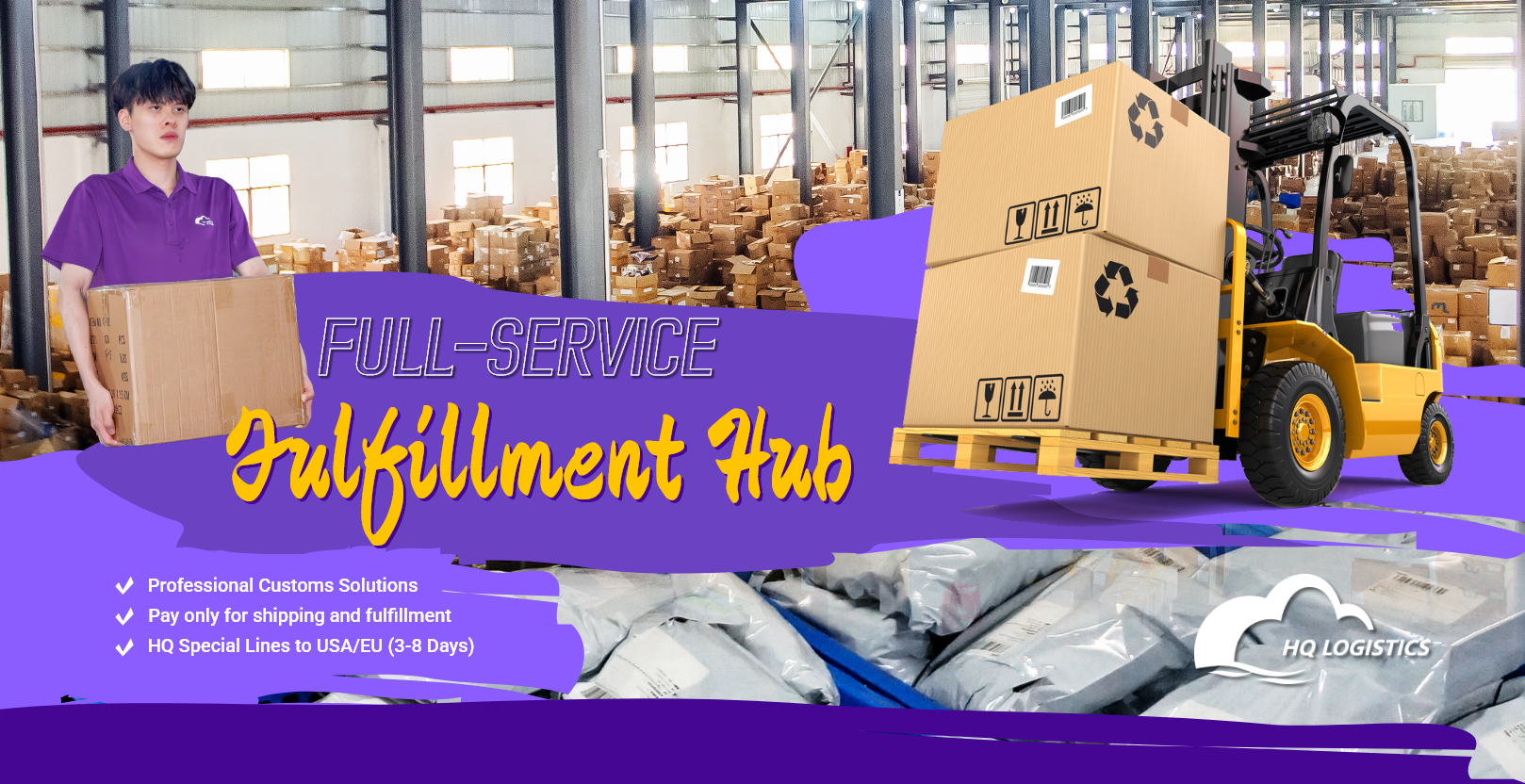
This is where weak setups break.
During Q4 or Chinese New Year, fulfillment jobs must handle:
volume spikes | supplier delays | shipping pressure.
HQ fulfillment roles are built for this:
structured workflows | backup routes | volume-based priority.
That's why early-prep sellers perform better.
If you're evaluating a partner, ask this:
Do their fulfillment jobs cover:
QC before shipping | system-based processing | branded packing | scalable volume?
If not, growth will hurt.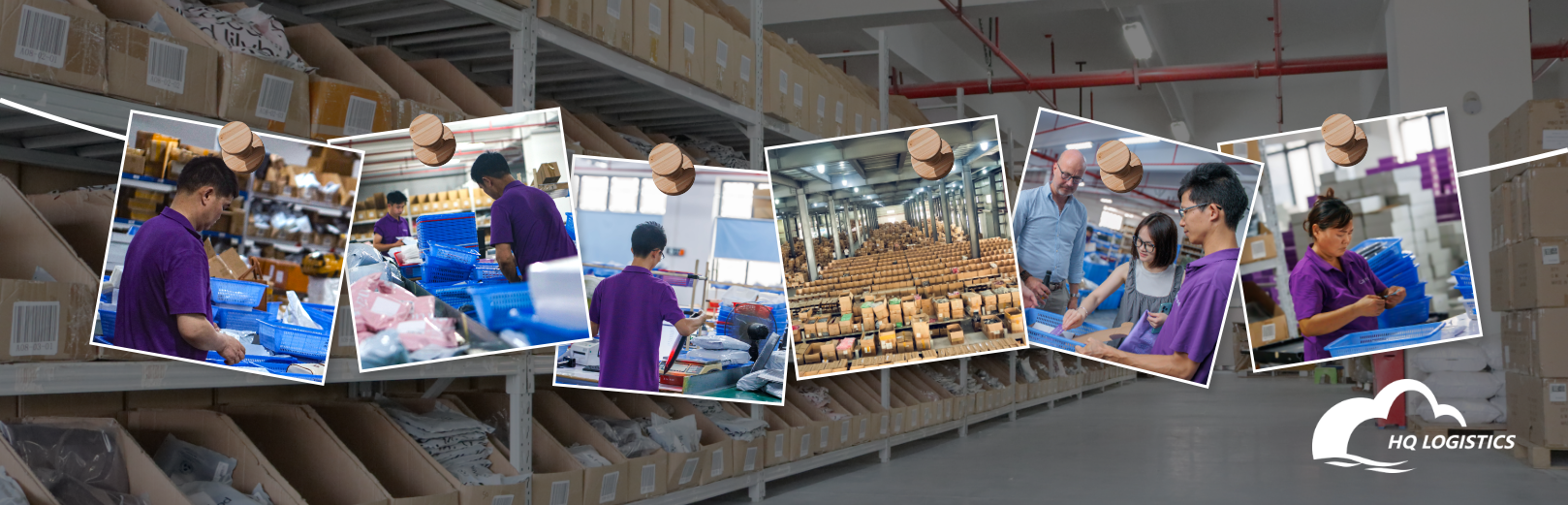
What does HQ Dropshipping handle in fulfillment?
Sourcing | QC | warehousing | order fulfillment | global shipping, all in one system.
How is HQ different from a normal 3PL?
We don't just store and ship.
We add QC, branding, automation, and seller-focused workflows.
Can HQ handle high daily order volumes?
Yes. Our fulfillment centers process tens of thousands of orders per day with structured systems.
What shipping times do sellers get?
US: 3–8 business days | EU: 4–10 business days, with stable DDP routes.
Do fulfillment roles include branding support?
Yes. Custom packaging, inserts, and labels are supported with low MOQs.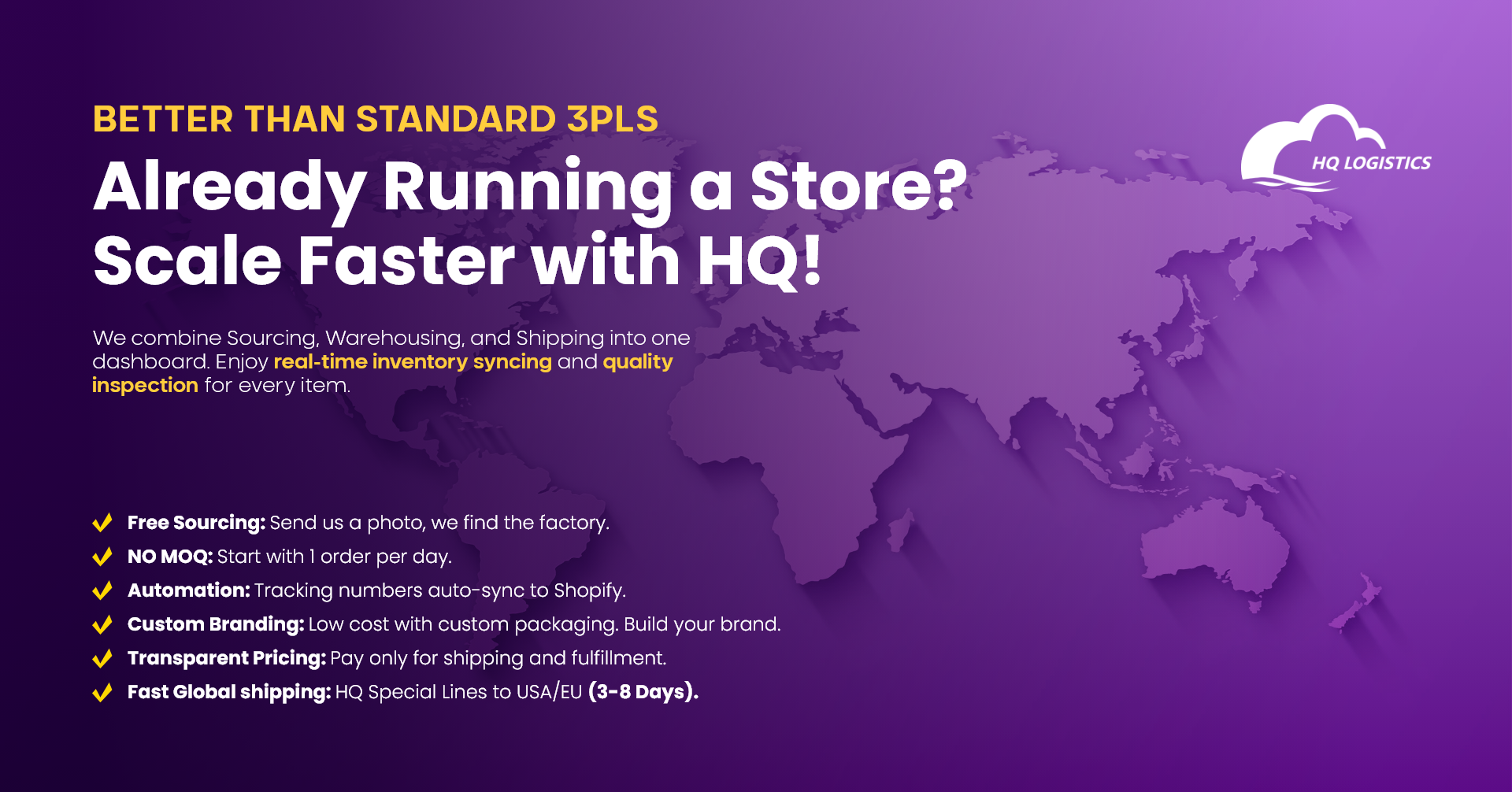
Protecting revenue | stabilizing growth | reducing seller stress
Good fulfillment jobs don't just move boxes.
They protect your brand.
If your store is scaling and fulfillment feels heavy,
it's not you — it's your setup.
📩Email: zoye@fulfllment-cn.com
PREVIOUS RECOMMENDATIONS

How a Shopify Brand Cut Global Delivery Times to Just 7 Days



Customer's favorable comments is our eternal motivation. We feel grateful for all the support and company.

Lorem ipsum dolor sit amet, consetetur sadipscing elitr, sed diam nonumy eirmod tempor invidunt ut labore et dolore magna aliquyam erat, sed diam voluptua.