
Q4 is the biggest sales season of the year for many Shopify brands.
Black Friday, Cyber Monday, Christmas, and holiday promotions can bring a major increase in orders. But higher sales also expose weaknesses in your fulfillment strategy.
If you are still using CJ Dropshipping for your Shopify store, Q4 is a good time to review whether your current fulfillment setup can support your next stage of growth.
This does not mean CJ Dropshipping is the wrong choice for every seller. It can be useful for product testing and starting a dropshipping business.
But as your order volume, SKU count, branding needs, and target markets grow, your fulfillment requirements may become more complex.
Here are 7 fulfillment gaps to check before Q4.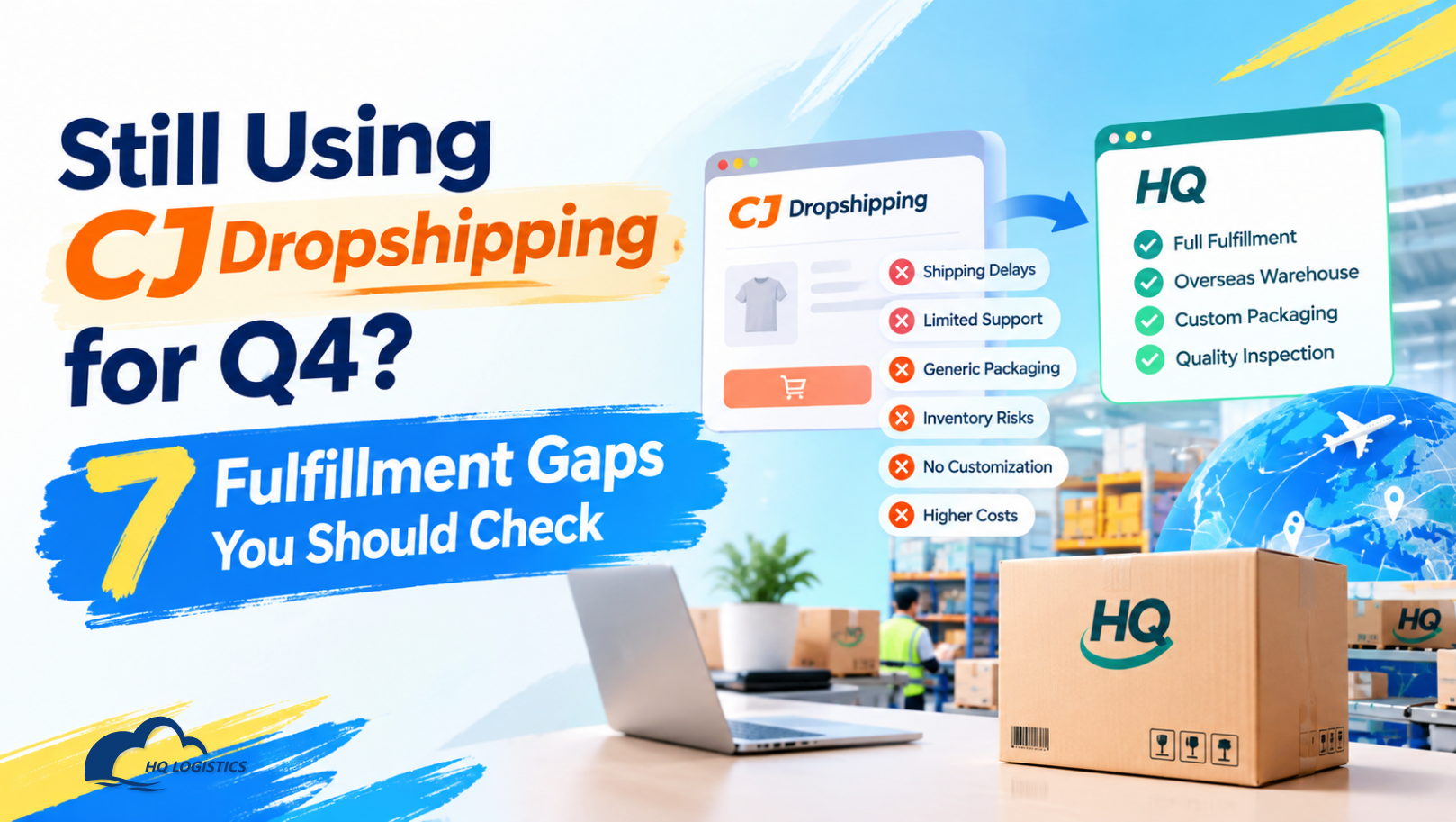
Q4 demand can be unpredictable.
A product that normally receives 20 orders a day could suddenly receive hundreds of orders after a successful TikTok video, influencer campaign, or Black Friday promotion.
That creates several fulfillment challenges:
Higher daily order volume | More frequent inventory changes | Faster processing requirements | More pressure on warehouse operations | Greater risk of fulfillment delays
A supplier that works well during normal months may not necessarily be the best fit during peak season.
Before Q4, ask your fulfillment partner:
How many orders can you process per day? | What happens when order volume suddenly increases? | How quickly can popular products be replenished? | Do you have backup suppliers? | Can inventory be moved between warehouses or fulfillment locations?
The goal is not simply to find a supplier that can fulfill today's orders.
You need a fulfillment system that can handle tomorrow's growth.
One of the biggest supply chain risks is relying on one supplier for a key product.
If that supplier experiences:
Stock shortages | Production delays | Quality problems | Price increases | Shipping restrictions | Communication issues
your entire store can be affected.
This becomes even more important during Q4 when factories and logistics networks are under greater pressure.
Growing ecommerce brands can benefit from having access to multiple suppliers.
Instead of relying on one source, your fulfillment partner can help identify alternative factories and sourcing options.
This can provide more flexibility when demand changes.
For example:
Supplier A → Main production
Supplier B → Backup production
Supplier C → Alternative product or capacity
This does not mean you need to manage several suppliers yourself.
A capable supply chain partner can coordinate sourcing, supplier communication, quality control, and fulfillment for you.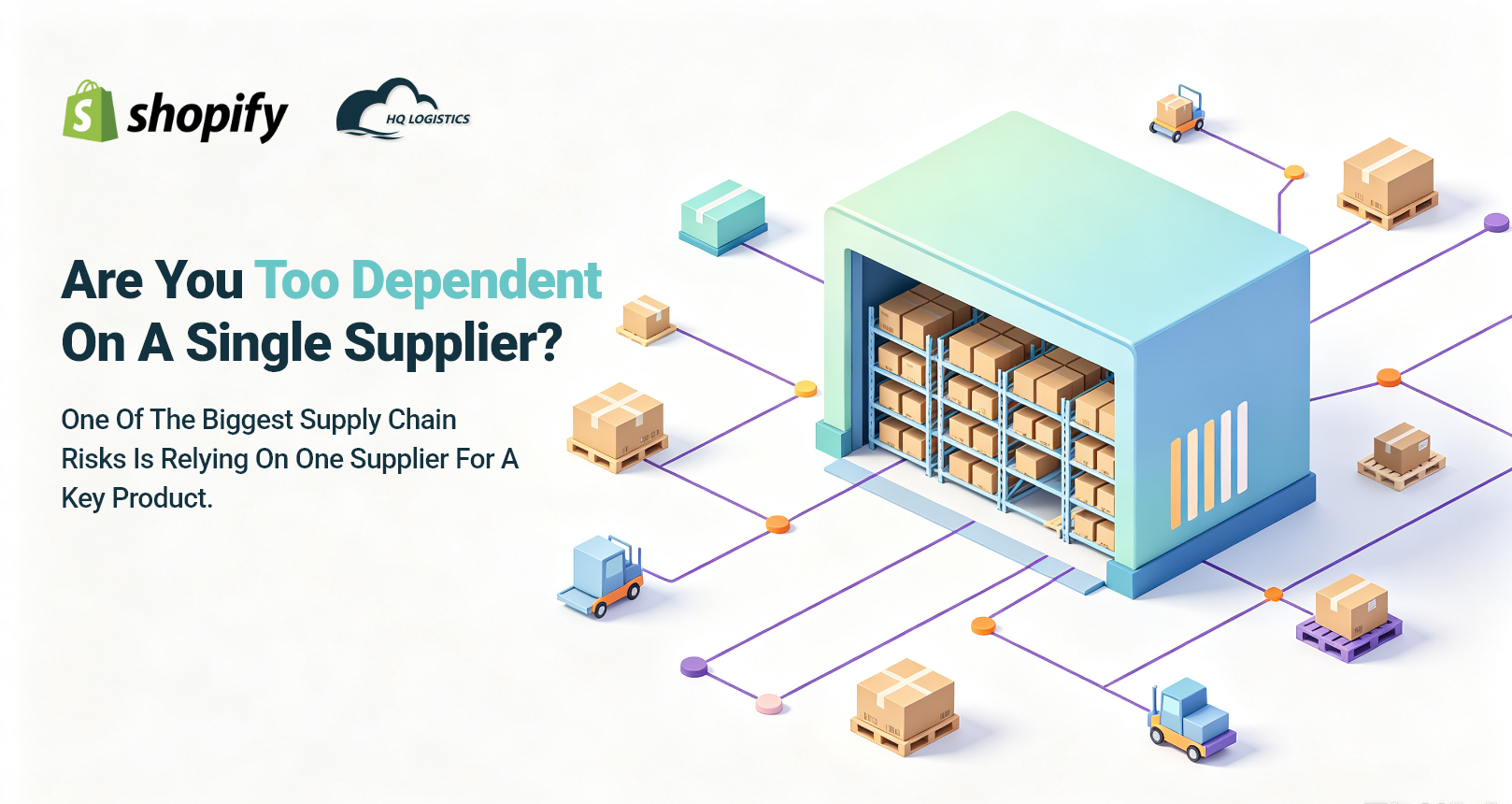
When order volume increases, quality problems can become more expensive.
A small defect rate during normal sales may turn into hundreds of customer complaints when you process thousands of orders.
For Shopify brands, poor product quality can lead to:
Refunds | Returns | Negative reviews | Chargebacks | Customer support costs | Lower repeat purchase rates
That's why quality control should be part of your fulfillment strategy—not an afterthought.
Depending on the product category, QC can include:
Product appearance | Size and dimensions | Functionality | Packaging condition | Quantity | Labels | Accessories | Shipping packaging
For products such as baby products, pet products, beauty products, or small electronics, quality control can be especially important.
A good fulfillment partner should be able to inspect products before they reach your customers and provide inspection information or photos when needed.
Basic dropshipping is often focused on one thing:
Find a product → List it → Get an order → Ship it.
But growing brands need more.
If you want customers to remember your store, packaging becomes part of the customer experience.
You may eventually need:
Custom boxes | Branded mailers | Custom labels | Thank-you cards | Inserts | Private-label packaging | Product customization
This is where the difference between product fulfillment and brand fulfillment becomes important.
Your fulfillment partner should be able to support your brand as it develops—not force you to stay with generic packaging forever.
Holiday sales are one of the best opportunities to strengthen the customer experience.
A branded package can make your store look more professional and help create a more memorable unboxing experience.
For European markets, brands may also consider eco-friendly packaging options when appropriate for their products and customers.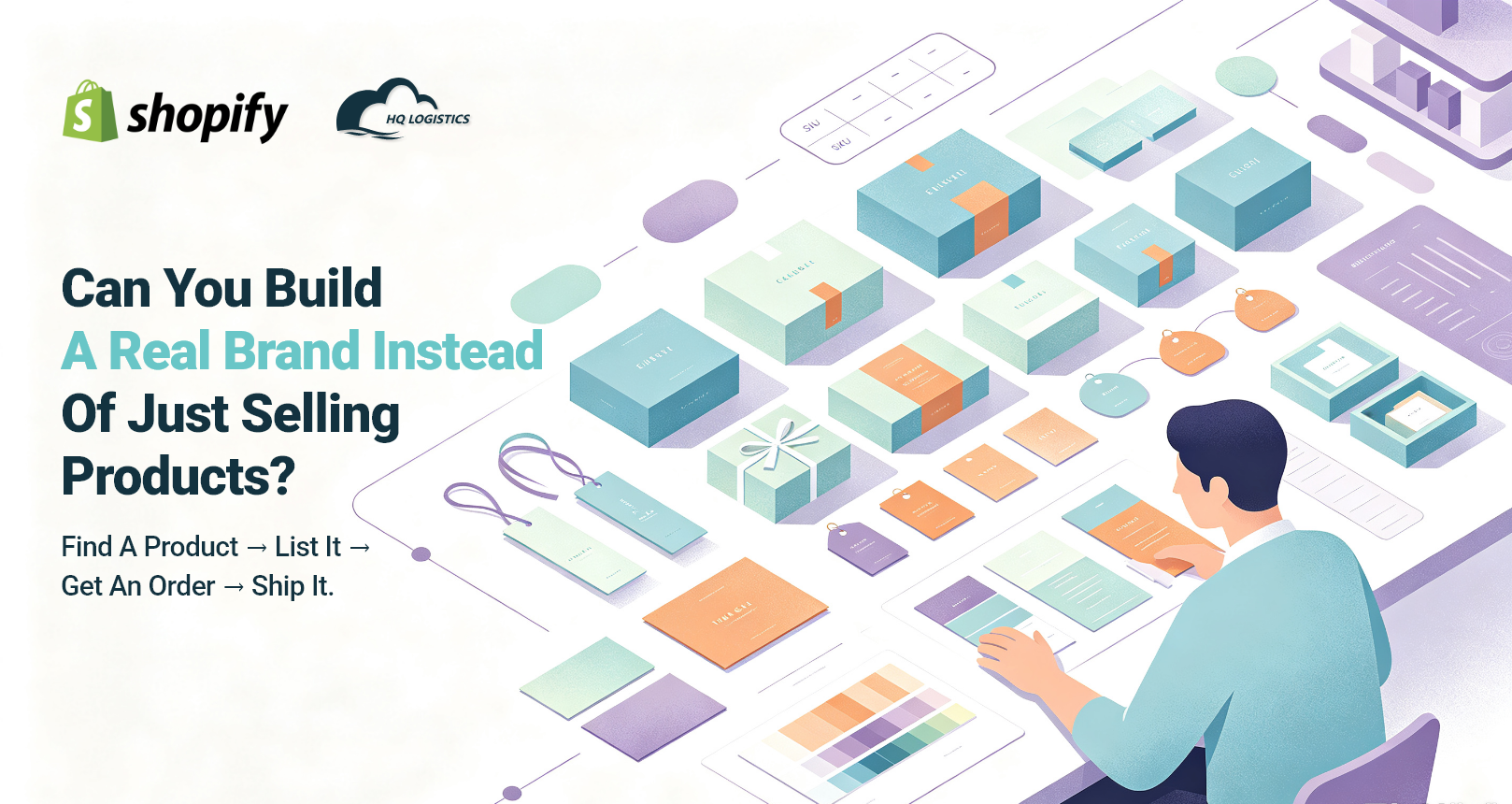
Shipping is another area that deserves a Q4 review.
Different products, countries, weights, and delivery requirements may require different logistics solutions.
Using the same shipping method for every order is not always the most efficient approach.
For example, your fulfillment strategy may need to consider:
Destination country | Product category | Product weight | Delivery time | Shipping cost | Customs requirements | Battery restrictions | Peak-season capacity
This becomes particularly important for small electronic products and battery-powered items, which may require specific transportation solutions.
A fulfillment partner with access to multiple shipping channels can compare available options and select a route that fits the product and destination.
Instead of:
One Product → One Shipping Channel
a more flexible model can look like:
Product + Destination + Weight → Best-Fit Shipping Channel
This can help brands balance cost, delivery speed, and reliability during peak season.
China fulfillment can be an excellent option for product testing and early-stage ecommerce.
But when your U.S. or European order volume becomes stable, shipping every order internationally may not always be the most efficient model.
At that stage, overseas warehousing may become worth considering.
A U.S. warehouse can make sense when:
Most of your customers are in the U.S. | You have stable sales volume | Your bestsellers are predictable | You want faster domestic fulfillment | International shipping costs are becoming significant
Instead of:
China → Customer
you can use:
China → U.S. Warehouse → U.S. Customer
This allows inventory to be positioned closer to your customers before the Q4 rush.
For growing brands, the best solution may also be a hybrid model:
China Fulfillment + U.S. Overseas Warehouse
Keep new or unpredictable products in China while pre-stocking proven bestsellers in the U.S.
The same principle can apply to European fulfillment, where inventory can be positioned in an EU warehouse and fulfilled across multiple EU markets.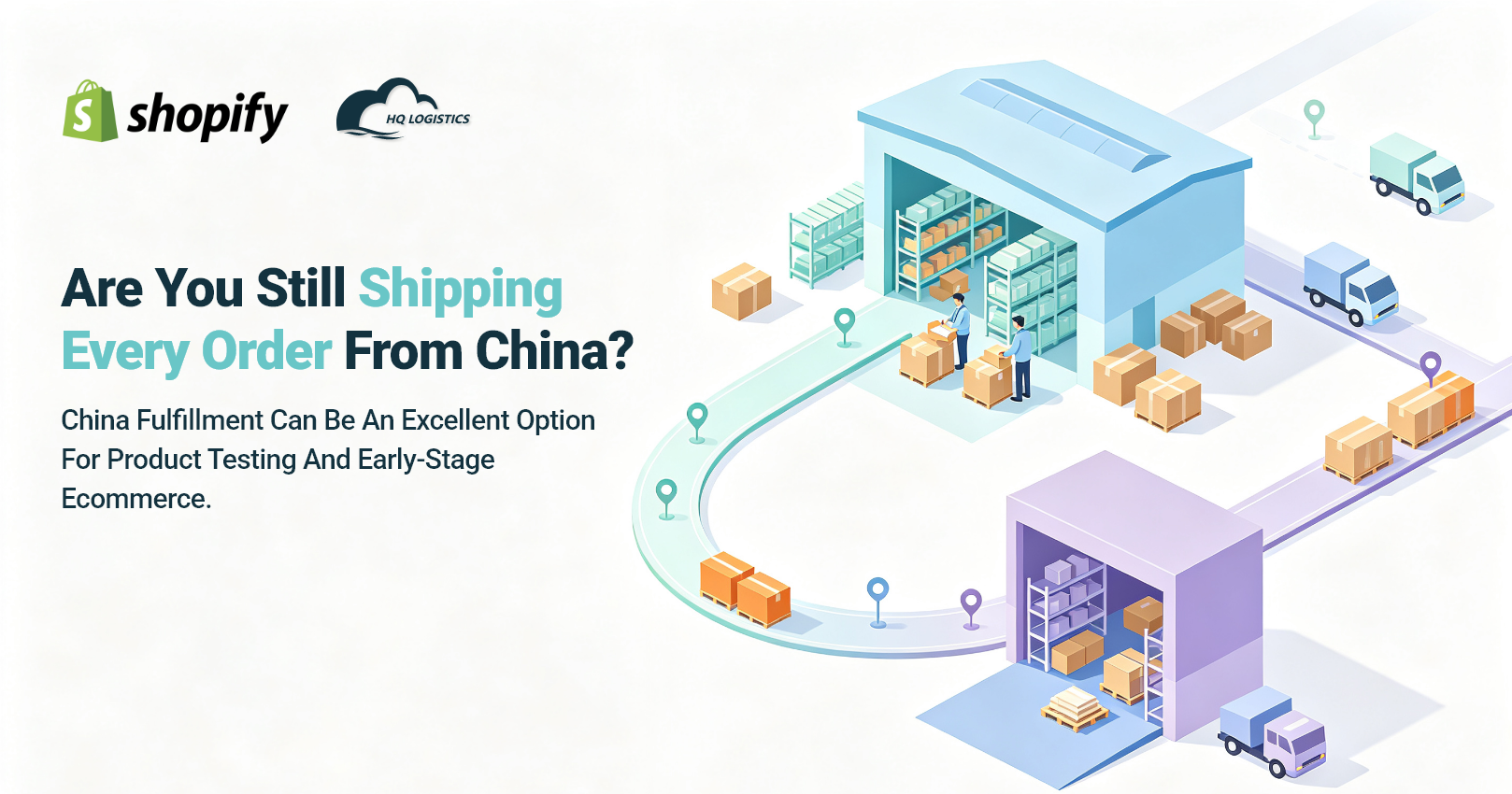
This may be the most important question.
Your fulfillment needs at 50 orders per month are very different from your needs at 500 or 5,000 orders per month.
As your brand grows, you may need support across the entire supply chain:
Sourcing → Quality Control → Inventory → Warehousing → Packaging → Fulfillment → Shipping
If your current supplier only solves the final step, you may eventually experience operational gaps elsewhere.
Before the peak season begins, review your current partner across these areas:
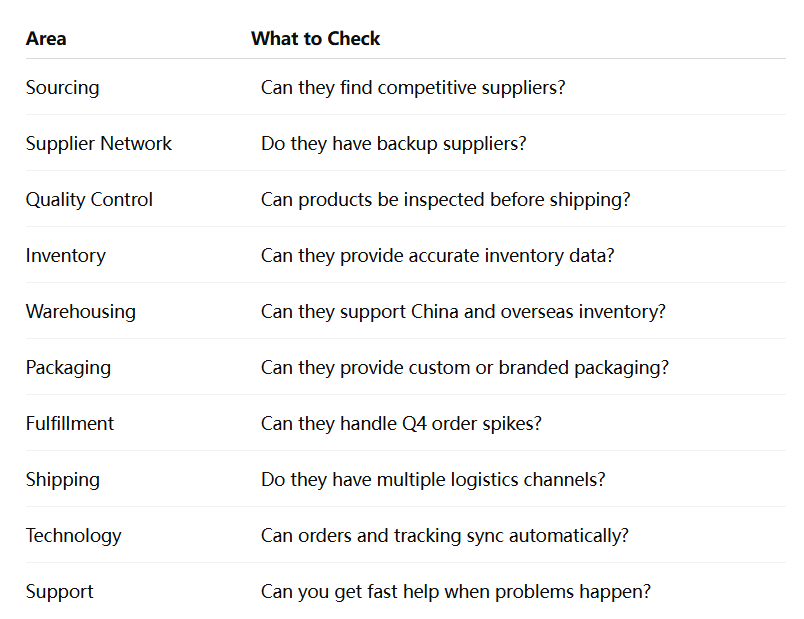
If several answers are "no," your fulfillment setup may be holding your brand back.
CJ Dropshipping can be useful for sellers who are testing products or starting with a relatively simple dropshipping model.
But growing Shopify brands often need a broader supply chain solution.
Instead of asking:
"Which dropshipping platform is cheaper?"
ask:
"Which fulfillment partner can support my brand as it grows?"
Here is a practical way to compare the two models:
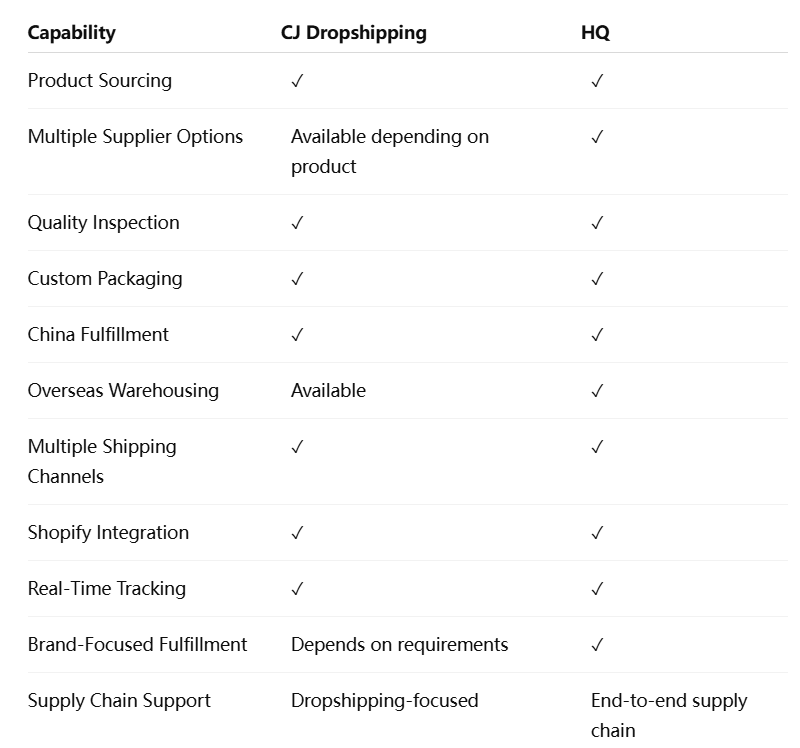
The important point is not that one provider is perfect for every seller.
The right choice depends on your product category, order volume, target market, branding requirements, and growth plans.
Switching suppliers during a peak season is usually not ideal.
That's why the best time to evaluate your fulfillment partner is before Q4 reaches its peak.
Start by reviewing your current data:
Average daily orders | Q4 sales forecast | Bestselling SKUs | Current inventory | Supplier lead times | Shipping costs | Average delivery time | Return rate | Product defect rate | Packaging requirements
Then identify your biggest bottleneck.
It could be sourcing.
It could be inventory.
It could be shipping.
Or it could simply be that your supplier was designed for a smaller business than the one you are running today.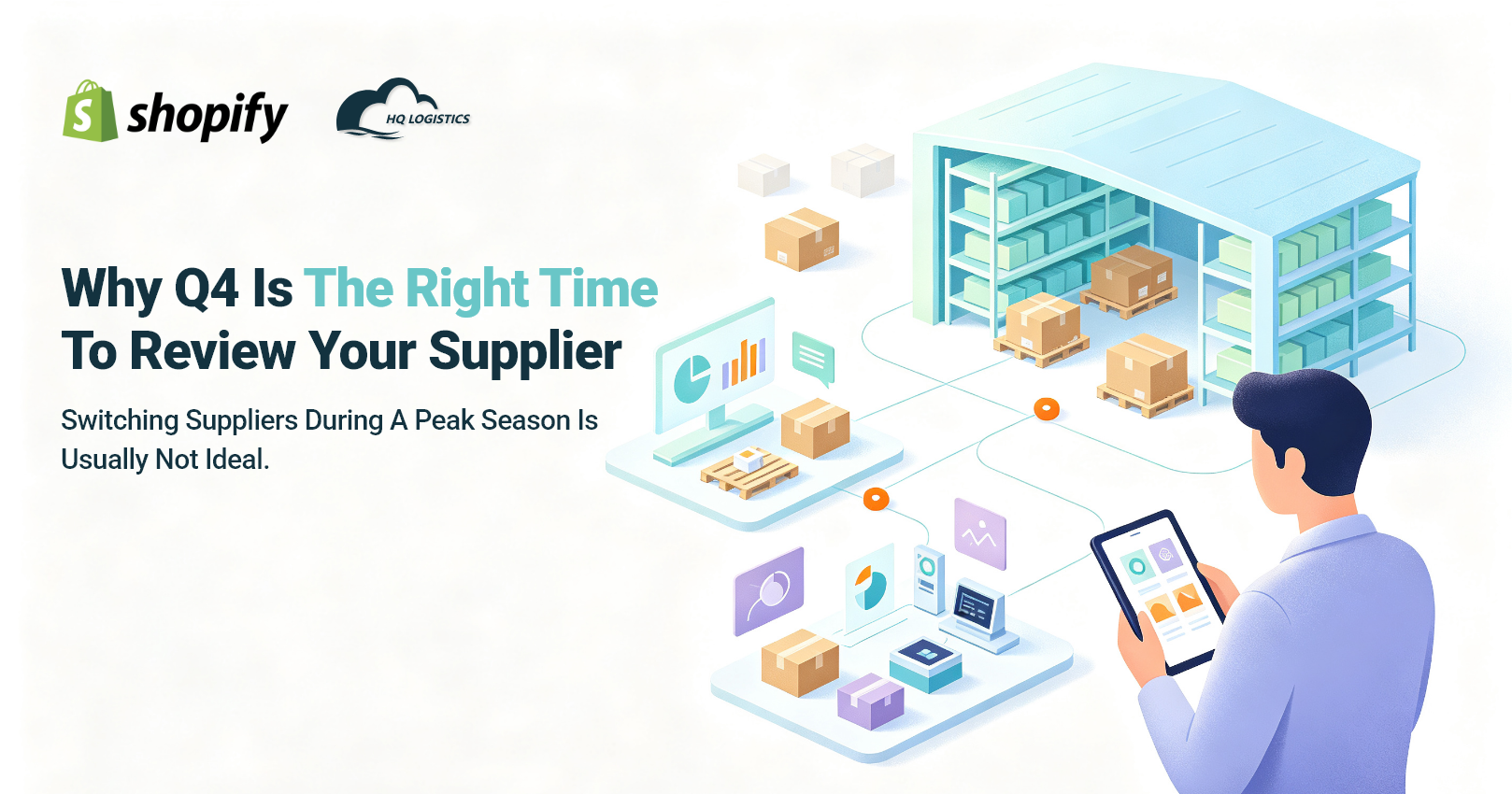
For brands that have moved beyond basic product testing, HQ provides a more integrated approach to sourcing and fulfillment.
Our supply chain support can include:
Access multiple suppliers and sourcing options to help brands find products that match their target price, quality, and positioning.
Products can be inspected before fulfillment to help identify quality issues before they reach customers.
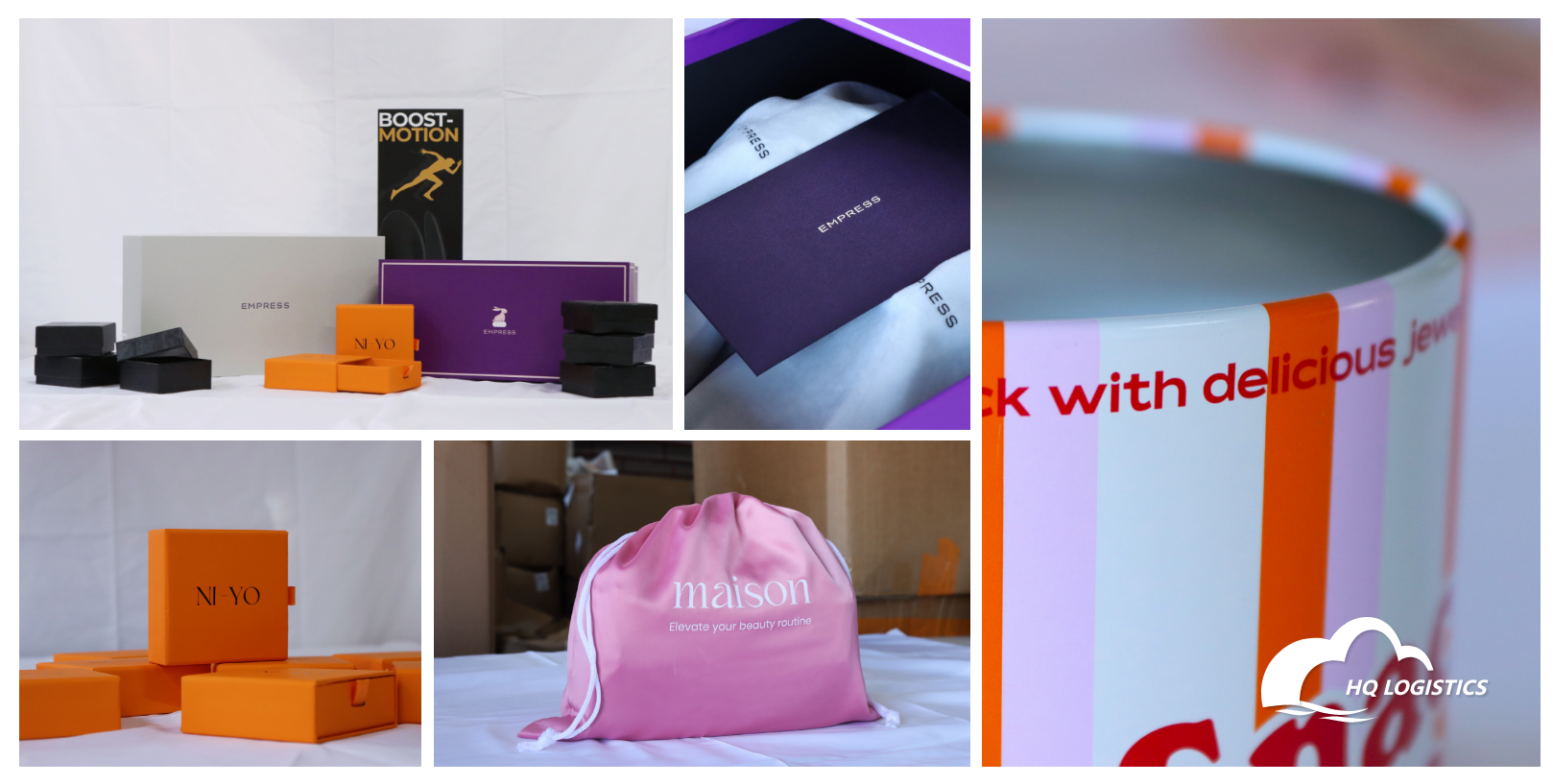
Build a more recognizable brand with custom packaging, labels, inserts, and other branding solutions.
Use China fulfillment during product testing and consider overseas inventory positioning when sales become more stable.
Choose shipping solutions based on destination, product characteristics, cost, and delivery requirements.
Connect your store with fulfillment workflows to reduce manual order management and keep tracking information synchronized.
From baby products and pet supplies to beauty products and small electronics, different products require different sourcing, QC, packaging, and shipping considerations.
The goal is simple:
Build a supply chain that fits your brand—not force your brand into a one-size-fits-all fulfillment model.
CJ Dropshipping may work well for many early-stage dropshipping businesses.
But Q4 is a good opportunity to ask whether your current fulfillment setup is still the right fit.
As your Shopify store grows, look beyond product sourcing and shipping alone.
Evaluate your:
Suppliers. | Quality control. | Inventory. | Warehousing. | Packaging. | Shipping channels. | Fulfillment capacity.
If your current partner can support all of these areas, you may be ready for Q4.
If not, it may be time to explore a more flexible fulfillment strategy before the holiday rush begins.
Your store is growing. Your supply chain should grow with it.

CJ Dropshipping can work for Q4, especially for sellers with relatively simple dropshipping requirements. However, growing brands should review supplier capacity, inventory, fulfillment speed, shipping options, and branding support before peak season.
If your current supplier has recurring problems with inventory, quality, processing time, shipping costs, or communication, it is worth evaluating alternatives before Q4. Switching early gives you more time to test products and fulfillment workflows.
Multiple suppliers can reduce dependence on a single source and provide more flexibility when demand or production capacity changes. A fulfillment partner can help coordinate multiple suppliers so you don't have to manage the entire process manually.
A U.S. warehouse can be worth considering when a significant share of your customers are in the U.S., sales are relatively stable, and faster domestic fulfillment or lower fulfillment costs can improve your overall economics.
Look for more than just a low shipping price. Evaluate sourcing capability, supplier options, quality control, inventory management, warehousing, custom packaging, fulfillment capacity, shipping channels, technology integration, and customer support.
📩Email: zoye@fulfllment-cn.com
PREVIOUS RECOMMENDATIONS


CJ Dropshipping alternative, CJ Dropshipping vs HQ, Shopify fulfillment, Q4 fulfillment, Q4 ecommerce, Shopify supplier, dropshipping supplier, fulfillment partner, ecommerce fulfillment, China fulfillment, U.S. warehouse, overseas warehousing, custom packaging, product sourcing, quality inspection, Still using CJ Dropshipping for Q4? Discover 7 fulfillment gaps Shopify brands should check before peak season, from sourcing and QC to warehousing, shipping, and brand packaging.



Customer's favorable comments is our eternal motivation. We feel grateful for all the support and company.

Lorem ipsum dolor sit amet, consetetur sadipscing elitr, sed diam nonumy eirmod tempor invidunt ut labore et dolore magna aliquyam erat, sed diam voluptua.