
The holiday season is coming—and for ecommerce brands sourcing and fulfilling from China, inventory planning needs to start early.
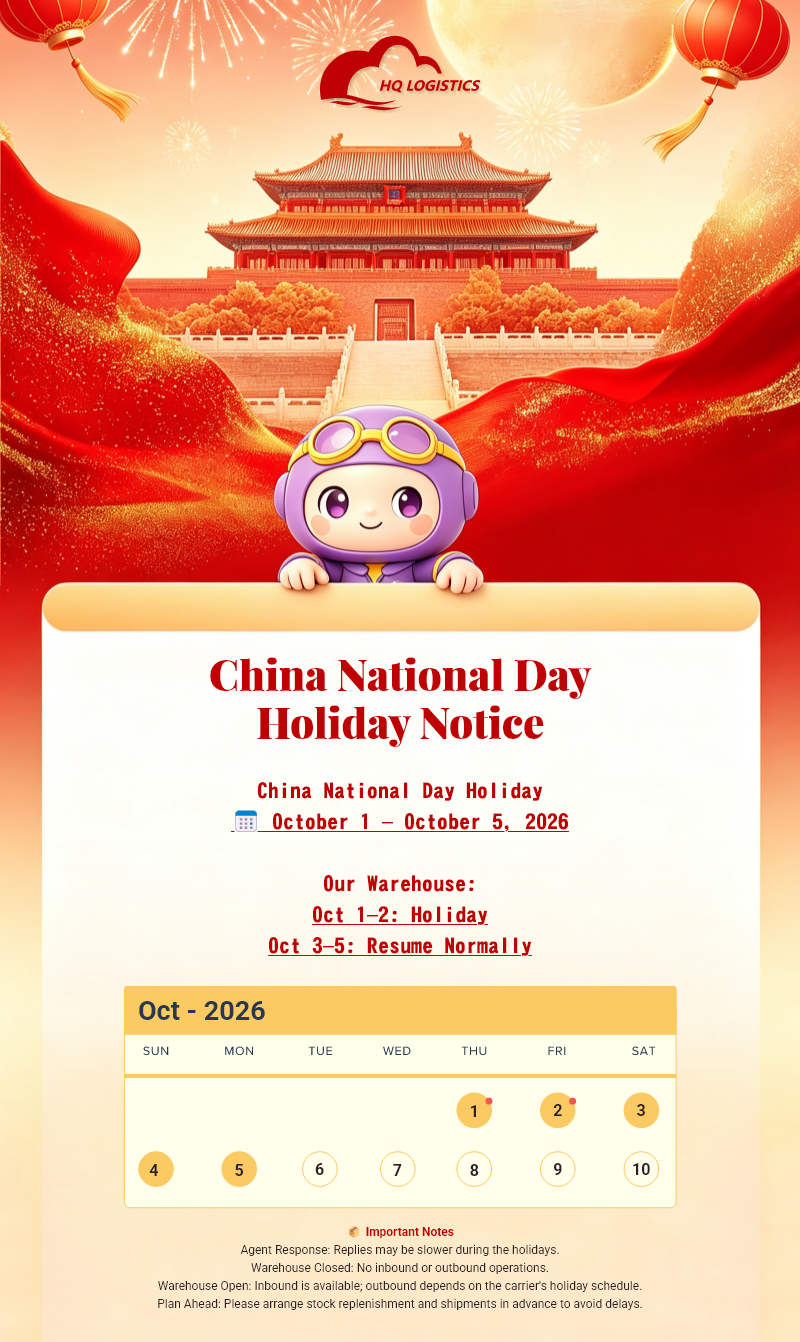
In 2026, China's Mid-Autumn Festival holiday falls on September 25–27, followed shortly by the China National Day holiday from October 1–5.
For Shopify, Amazon, Etsy, and other ecommerce sellers, these holidays can affect supplier production, warehouse operations, order processing, inbound shipments, and logistics arrangements.
That doesn't mean fulfillment will stop throughout the entire holiday period.
However, some operations may experience delays depending on warehouse schedules, supplier availability, carrier schedules, and order volume.
The best strategy?
Don't wait until the holiday starts to prepare your inventory.
Stock up early, plan shipments ahead, and give your supply chain enough buffer to handle the holiday period.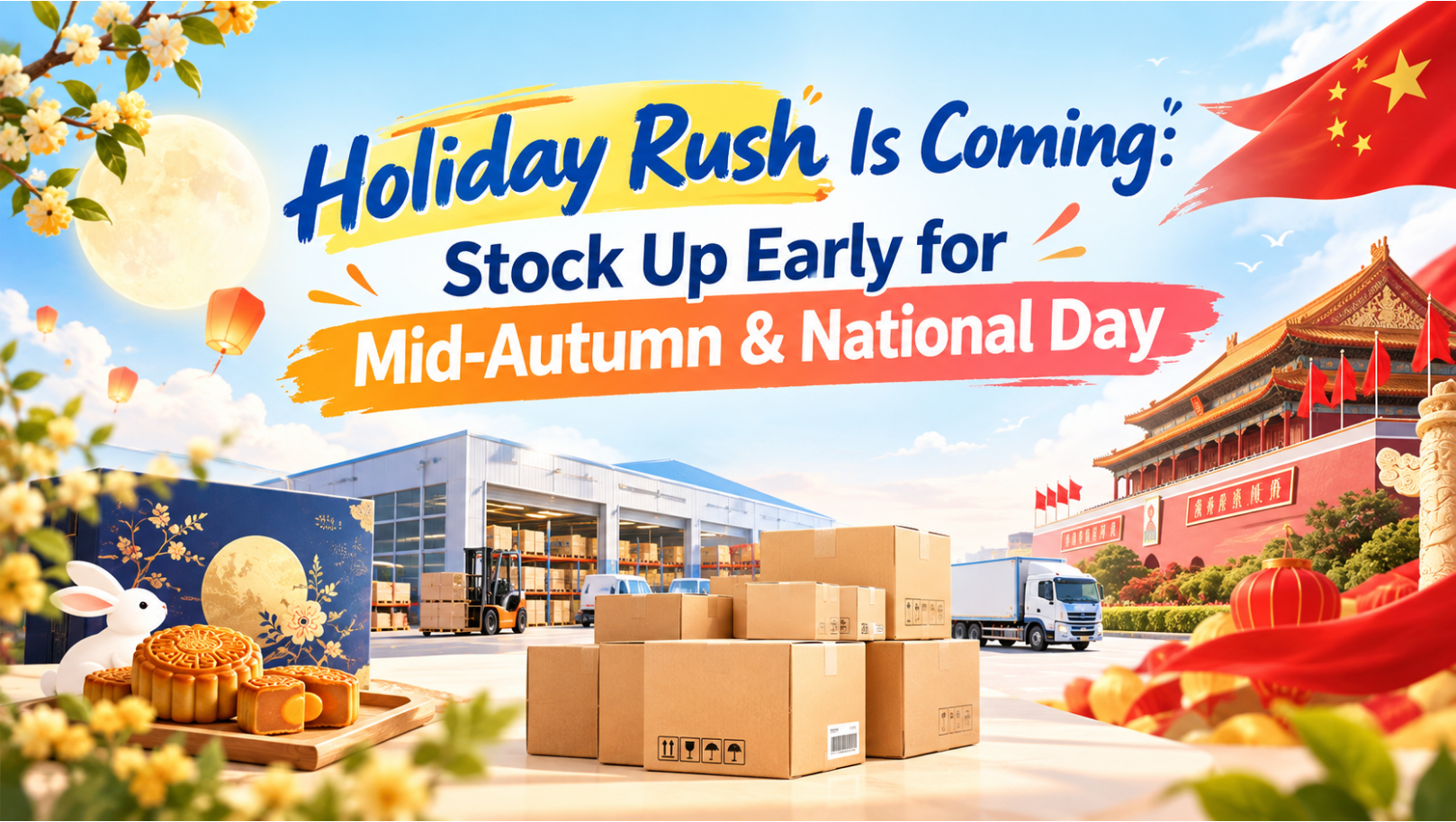
Here is the current HQ holiday schedule for 2026.
Holiday Period: September 25–27, 2026
September 25: Holiday
September 26–27: Resume Normally
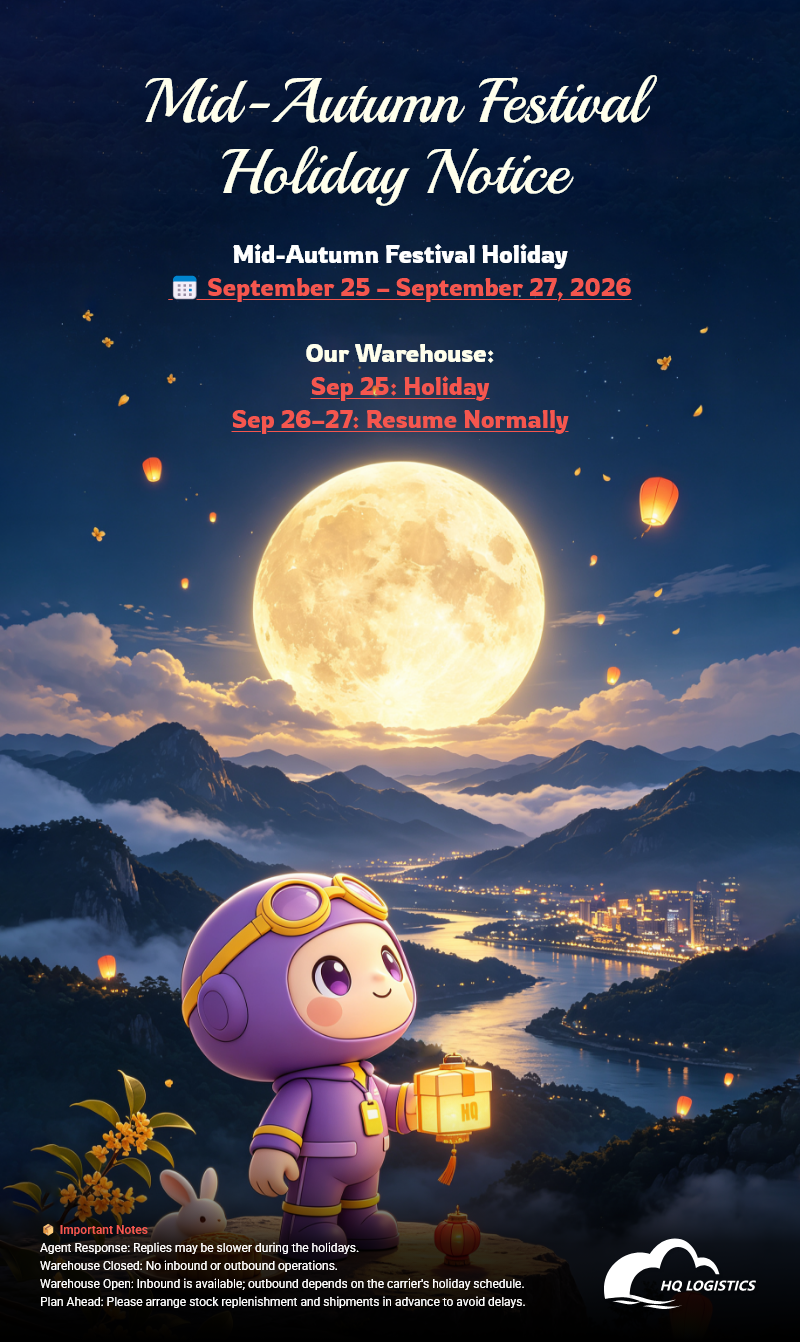
Although the warehouse resumes normal operations on September 26, sellers should still allow additional time for order processing and transportation around the holiday period.
Holiday Period: October 1–5, 2026
October 1–2: Holiday
October 3–5: Resume Normally
As with the Mid-Autumn Festival, warehouse operations will resume during part of the holiday period.
However, supplier production and logistics schedules may vary, so sellers should not assume that every part of the supply chain will operate on a normal schedule.
For ecommerce businesses, fulfillment doesn't involve only one step.
A typical order may go through:
Supplier → Production → Quality Control → Warehouse → Order Processing → Shipping → Delivery
If one part of the process slows down, the entire fulfillment timeline can be affected.
During China's major holidays, some factories, suppliers, warehouses, and logistics providers may operate with adjusted schedules.
This can create additional pressure on:
Product replenishment | Supplier production | Warehouse inbound operations | Order processing | Shipment arrangements | Transportation | Customer delivery times
For brands with stable daily orders, even a small delay can quickly become a larger inventory problem.
That's why early inventory planning is one of the easiest ways to reduce holiday fulfillment risk.
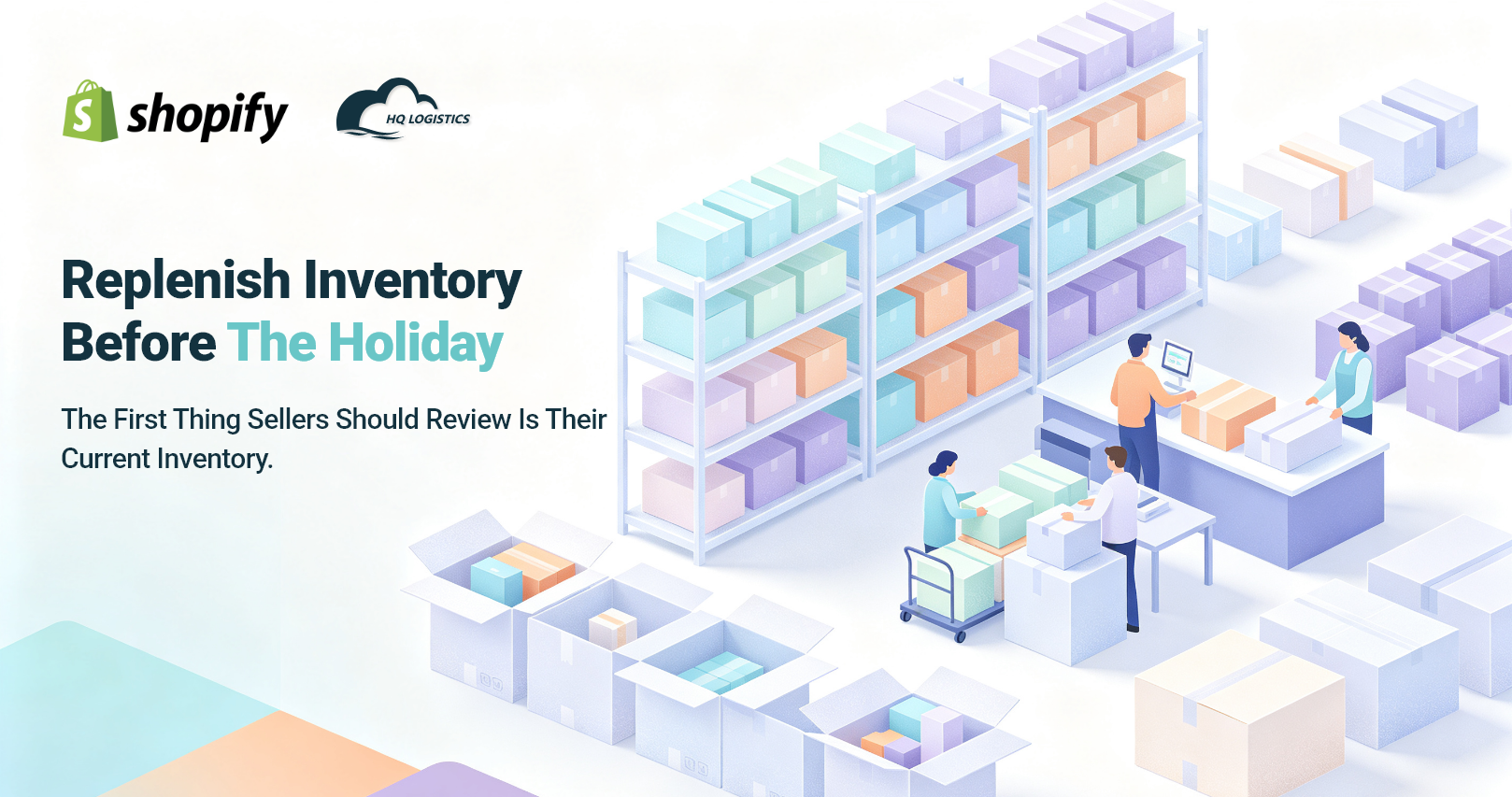
The first thing sellers should review is their current inventory.
Don't only look at how much stock you have today.
Look at:
Current Inventory + Daily Sales + Forecasted Demand + Replenishment Lead Time
For example, if a product sells 100 units per day and your supplier normally needs several days to replenish it, waiting until inventory is almost sold out can be risky.
During a holiday period, the actual replenishment time may become longer.
You don't necessarily need to stock every SKU.
Focus first on:
Bestselling products | High-volume SKUs | Products with stable demand | Products used in upcoming promotions | Products with longer production lead times | Products that are difficult to replace quickly
A simple strategy is:
Best Sellers → Stock Up Early
New Products → Maintain Flexible Inventory
Low-Volume SKUs → Replenish Based on Demand
This allows you to protect your most important revenue-generating products without unnecessarily overstocking everything.
Inventory problems often start before products even reach the warehouse.
If you need to replenish stock during or immediately after a holiday, your supplier may also be dealing with holiday-related schedule changes.
That means sellers should communicate with suppliers early.
Ask:
Getting these answers early can help you avoid last-minute inventory shortages.
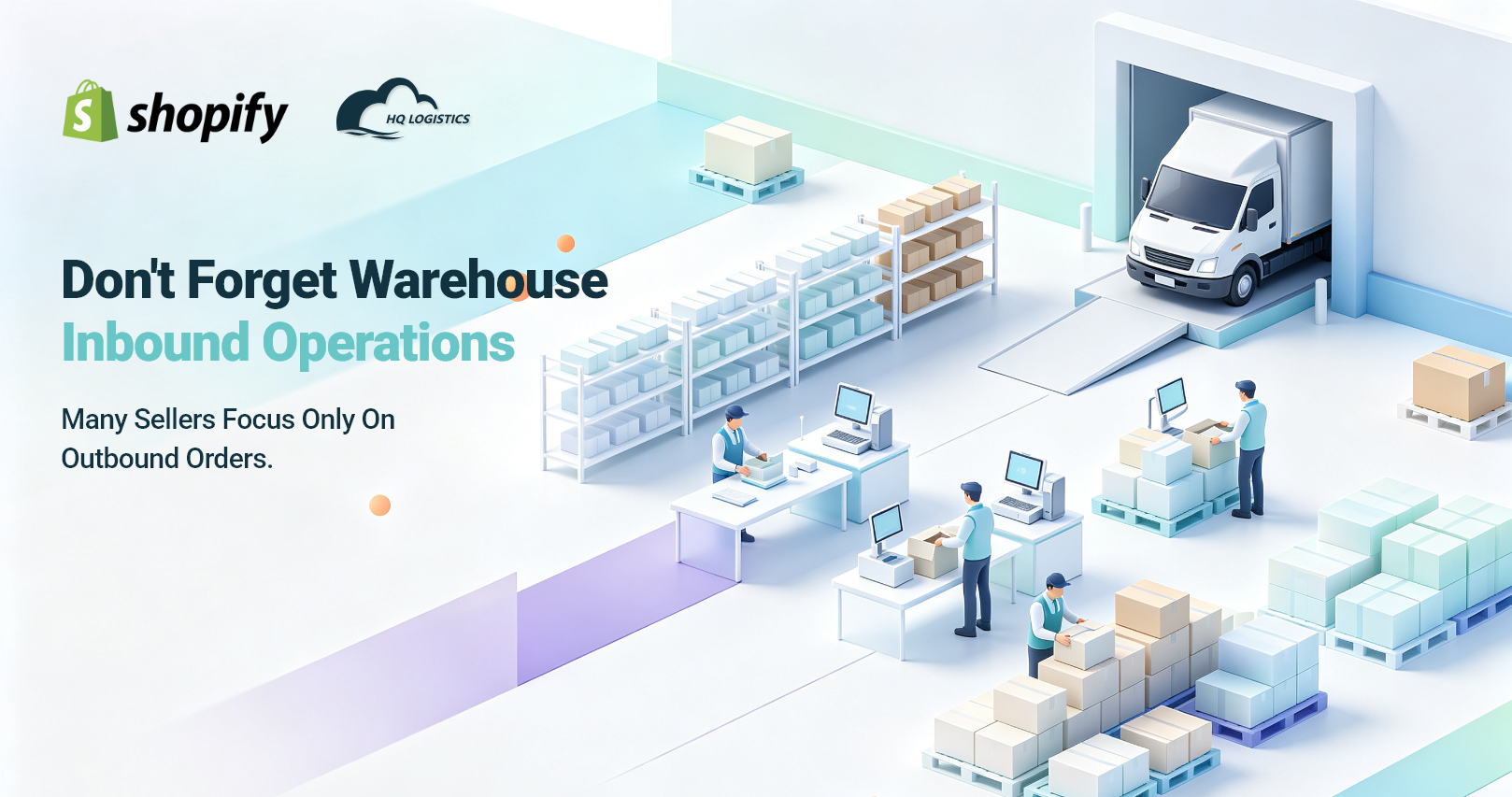
Many sellers focus only on outbound orders.
But inbound inventory is equally important.
If your inventory needs to be replenished, products must first arrive at the warehouse before they can be picked, packed, and shipped.
During holiday periods, inbound operations may have adjusted schedules.
According to the HQ holiday arrangement:
September 25: Warehouse holiday
September 26–27: Warehouse resumes normally
And during National Day:
October 1–2: Warehouse holiday
October 3–5: Warehouse resumes normally
Therefore, sellers should plan inbound shipments around these dates rather than assuming every shipment can be received immediately.
Inventory is only useful if it can reach your customers on time.
Holiday periods can affect transportation arrangements even when your fulfillment warehouse has resumed normal operations.
Shipping schedules may vary depending on:
Carrier operating hours | Transportation capacity | Destination country | Logistics route | Product category | Customs processing | Peak-season volume
This is why you should avoid leaving important shipments until the last minute.
Instead:
Inventory Ready → Shipment Booked → Warehouse Processing → Carrier Pickup
should all be planned ahead.
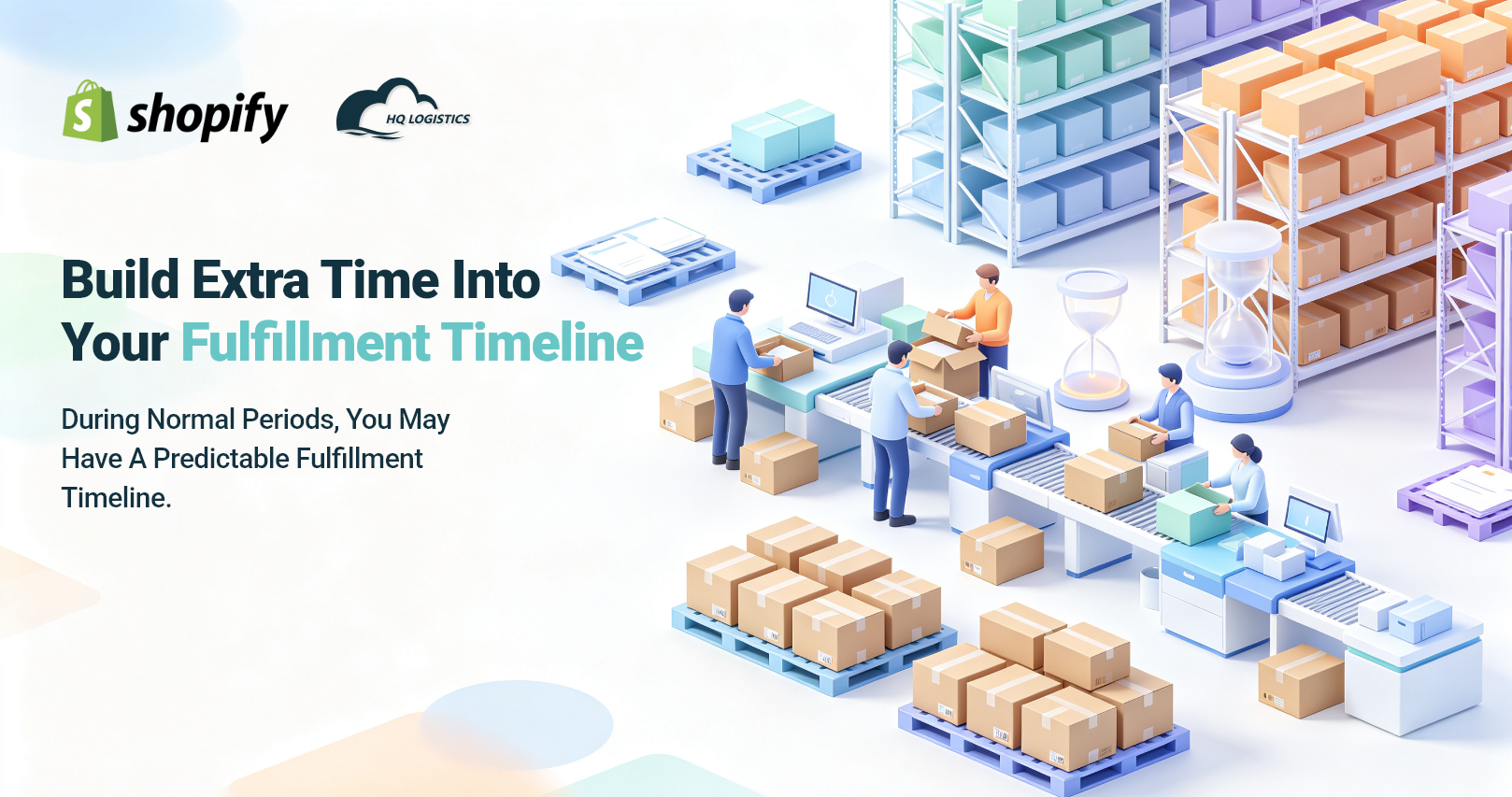
During normal periods, you may have a predictable fulfillment timeline.
For example:
Order → Processing → Shipping → Delivery
During holidays, you should build some additional buffer into your planning.
This doesn't necessarily mean every order will be delayed.
It means you should be prepared for possible changes.
A practical approach is to plan for:
Extra Processing Time + Extra Transportation Time + Inventory Buffer
This is especially important for brands running promotions around:
Black Friday | Cyber Monday | Halloween | Christmas | New product launches | Influencer campaigns | Flash sales
Holiday disruptions can overlap with your own promotional calendar.
Planning early gives you more room to react.
The Mid-Autumn Festival and National Day holidays arrive just before the busiest part of the ecommerce calendar.
After these holidays, many brands will begin preparing for:
Halloween → Black Friday → Cyber Monday → Christmas
That means September and October are not just ordinary months.
They are important inventory preparation months.
If your bestsellers already have strong demand, this is the time to evaluate whether your current inventory can support the upcoming Q4 sales period.
✓ Identify your top-selling SKUs
✓ Review the last 30–90 days of sales
✓ Estimate Q4 demand
✓ Confirm supplier production capacity
✓ Place replenishment orders early
✓ Check warehouse inventory
✓ Plan inbound shipments
✓ Review shipping channels
✓ Prepare backup suppliers for key products
✓ Consider overseas inventory for stable U.S. or EU demand
The goal is to avoid entering Q4 with your bestsellers already running low.
One of the biggest risks during peak season is depending on a single supplier.
Imagine your top-selling product suddenly becomes unavailable.
If you have only one supplier, your options may be limited.
But if you have access to multiple suppliers, you may have alternative sourcing options.
For example:
Supplier A → Primary Production
Supplier B → Backup Production
Supplier C → Alternative Product / Capacity
This can give growing ecommerce brands more flexibility when demand increases or supplier capacity becomes limited.
A strong supply chain should not depend on one factory, one inventory location, or one shipping route whenever alternatives are practical.
Different products may require different shipping solutions.
This is especially important if you sell:
Small electronics | Battery-powered products | Baby products | Pet products | Fragile products | Special-category products
Before the holiday, review whether your current shipping channel is still the best fit.
Consider:
Cost + Delivery Time + Reliability + Product Requirements + Destination
Having multiple logistics channels available can give you more flexibility if one route experiences capacity constraints or schedule changes.
Instead of relying on:
One Product → One Shipping Channel
you can build a more flexible strategy:
Product + Destination + Weight + Requirements → Best-Fit Shipping Channel
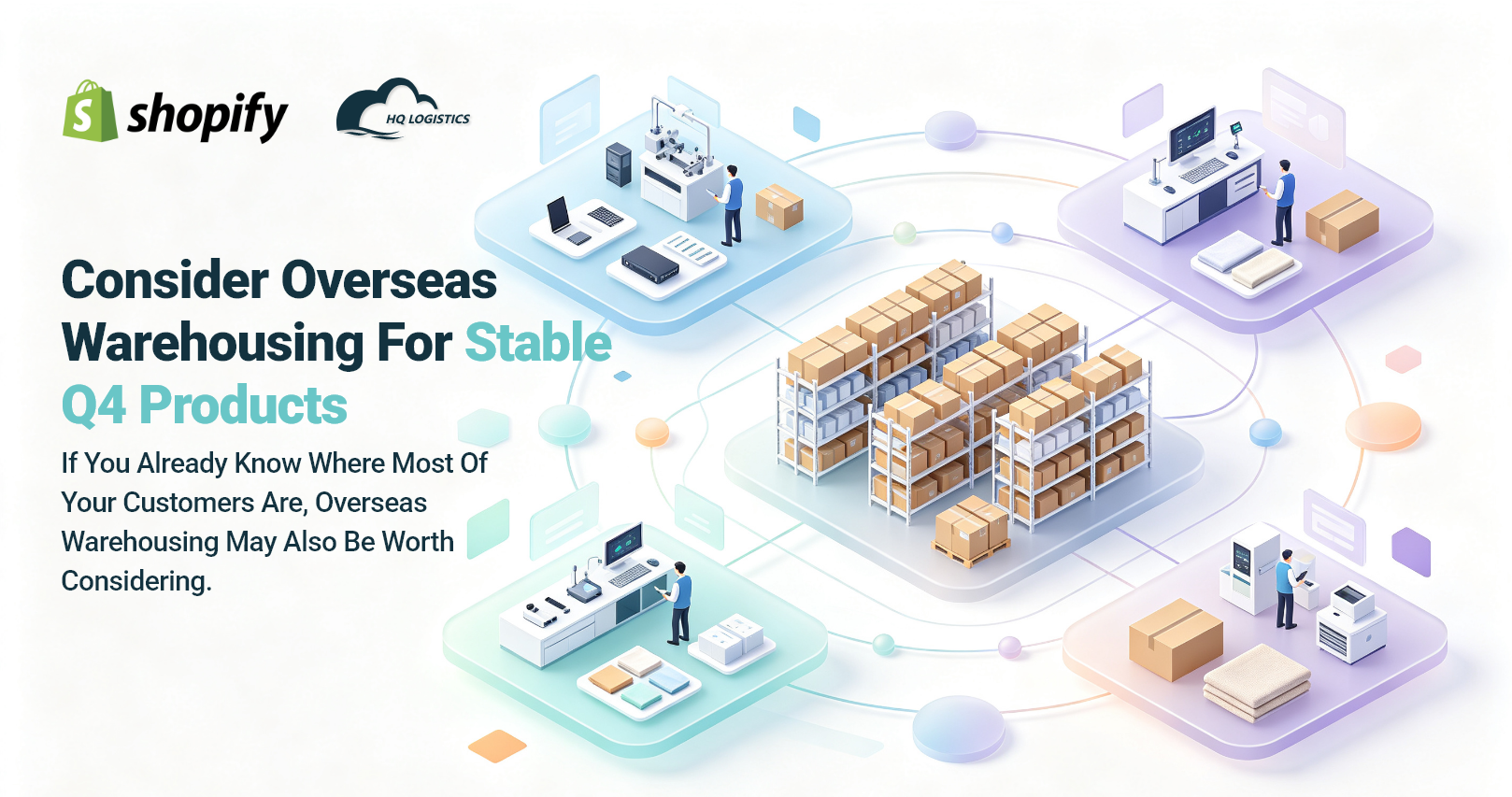
If you already know where most of your customers are, overseas warehousing may also be worth considering.
For example:
China → U.S. Warehouse → U.S. Customer
For proven U.S. bestsellers, pre-stocking inventory in the U.S. can reduce your dependence on international parcel shipping during the busy season.
China → EU Warehouse → Multiple EU Markets
For brands selling across Europe, an EU warehouse can provide a centralized inventory location to support multiple EU markets.
The key is to move proven products, rather than sending every SKU overseas.
A hybrid model can be more flexible:
New / Low-Volume Products → China
Proven Bestsellers → U.S. or EU Warehouse
This can help balance inventory flexibility with faster local fulfillment.
Holiday planning shouldn't happen only inside your Shopify dashboard.
Talk to your fulfillment partner.
Ask about:
Warehouse holiday schedules | Supplier production timelines | Inventory replenishment | Inbound arrangements | Order processing | Shipping channels | Carrier schedules | Q4 capacity | Overseas warehouse inventory | Backup sourcing options
The earlier you communicate, the more time there is to solve potential problems.
To help customers plan ahead, HQ Group will observe the following warehouse schedule.
September 25–27, 2026
Warehouse:
September 25 — Holiday
September 26–27 — Resume Normally
October 1–5, 2026
Warehouse:
October 1–2 — Holiday
October 3–5 — Resume Normally
During the holiday periods, order processing, inbound operations, and shipment arrangements may experience slight delays.
For this reason, HQ recommends that customers:
✓ Arrange inventory replenishment in advance
✓ Plan shipment schedules ahead of time
✓ Prepare sufficient stock for upcoming orders
✓ Allow extra time for order processing and transportation
Holiday preparation is more than simply ordering extra inventory.
For growing ecommerce brands, HQ can connect:
Sourcing → Quality Control → Warehousing → Fulfillment → Shipping
Access multiple supplier resources to improve sourcing flexibility and reduce dependence on a single supplier.
Inspect products before fulfillment to help identify potential quality problems before they reach customers.
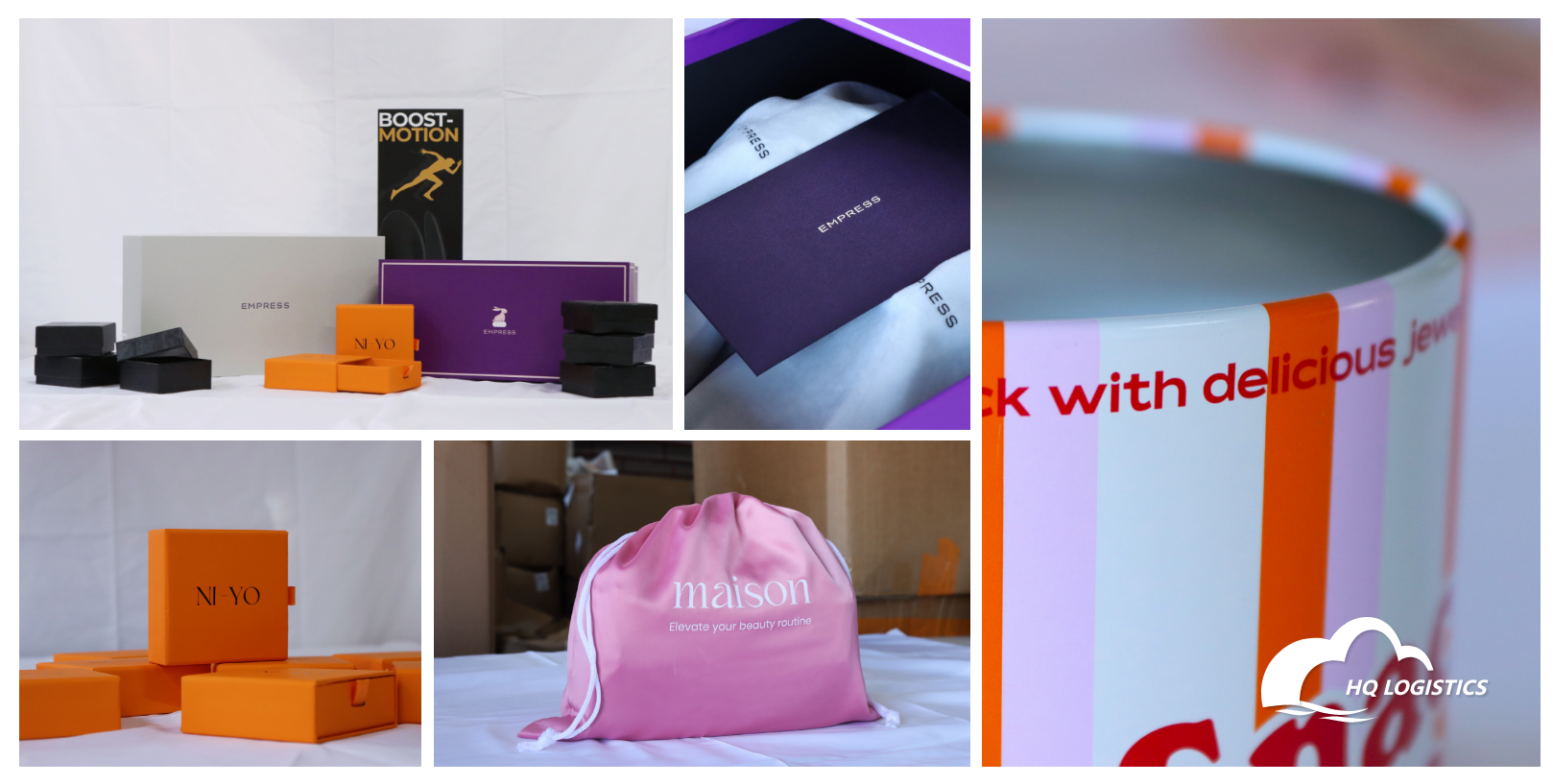
Prepare branded packaging, labels, inserts, and other customization requirements before the Q4 rush.
Keep new and lower-volume products in China for greater inventory flexibility.
Pre-stock proven U.S. bestsellers and fulfill orders domestically.
Use centralized EU inventory to support customers across multiple European markets.
Select shipping options based on product requirements, destination, cost, and delivery needs.
This allows brands to build a more flexible Q4 fulfillment strategy instead of relying on one supplier, one warehouse, or one shipping route.
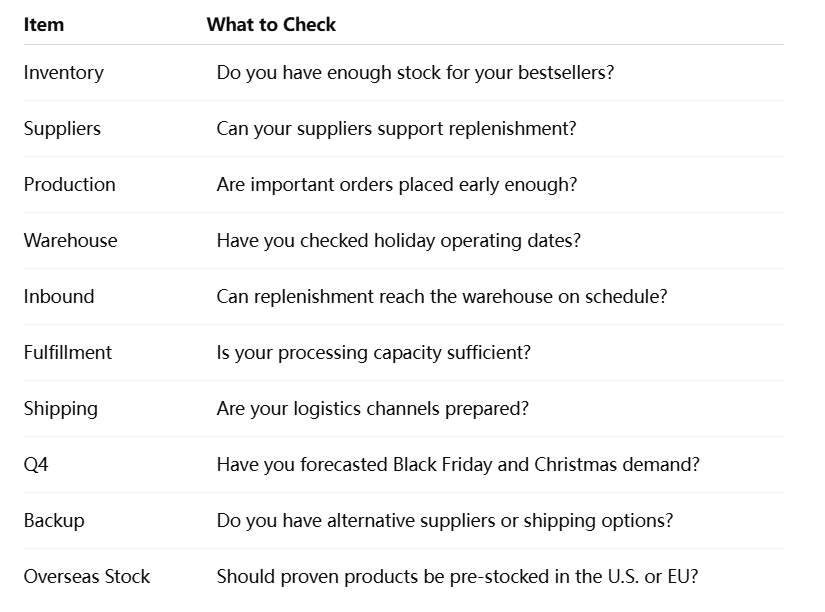
Before September 25, review the following:
The Mid-Autumn Festival and China National Day holidays are important dates for ecommerce brands sourcing and fulfilling from China.
The good news is that you don't need to wait until the holidays arrive to deal with potential fulfillment challenges.
You can prepare now.
Stock up on proven products.
Confirm supplier capacity.
Plan inbound shipments.
Review shipping channels.
Prepare for Q4 demand.
Keep enough inventory buffer.
And most importantly, communicate with your fulfillment partner early.
The goal isn't simply to survive the holiday period.
It's to enter Q4 with enough inventory, enough fulfillment capacity, and enough supply chain flexibility to keep your customers happy.
Holiday rush is coming. Stock up early. Plan ahead. Fulfill with confidence.

The 2026 Mid-Autumn Festival holiday period is September 25–27. Under HQ's warehouse schedule, September 25 is a holiday, while warehouse operations resume normally on September 26–27.
The China National Day holiday period is October 1–5, 2026. Under HQ's warehouse schedule, October 1–2 are holidays, while warehouse operations resume normally on October 3–5.
Warehouse operations will resume on the specified working days, but order processing, inbound operations, and shipment arrangements may experience slight delays around the holiday period. Sellers should plan additional time where possible.
There is no single date that works for every product. Consider your daily sales, current inventory, supplier lead time, warehouse processing time, and transportation schedule. For important Q4 bestsellers, earlier replenishment provides a larger safety buffer.
Not necessarily. Prioritize bestsellers, stable SKUs, products with predictable demand, and products that may be difficult to replenish quickly. New or low-volume products can generally remain more flexible.
Review inventory, confirm supplier capacity, place replenishment orders early, check warehouse schedules, plan inbound shipments, review logistics channels, and forecast demand for the upcoming Q4 sales season.
📩Email: zoye@fulfllment-cn.com
PREVIOUS RECOMMENDATIONS


China holiday inventory planning, China National Day holiday 2026, Mid-Autumn Festival 2026, China holiday shipping, China supplier holiday, ecommerce inventory planning, Q4 inventory planning, Shopify inventory planning, holiday fulfillment, China fulfillment, ecommerce fulfillment, supplier holiday schedule, Q4 fulfillment, inventory replenishment, overseas warehouse, China's Mid-Autumn Festival and National Day holidays are coming. Learn how Shopify sellers can plan inventory, suppliers, warehouse operations, and shipping early to prepare for Q4.




Customer's favorable comments is our eternal motivation. We feel grateful for all the support and company.

Lorem ipsum dolor sit amet, consetetur sadipscing elitr, sed diam nonumy eirmod tempor invidunt ut labore et dolore magna aliquyam erat, sed diam voluptua.