
European ecommerce is becoming increasingly brand-conscious.
Customers don't only care about what they buy
They also pay attention to how products are packaged, delivered, and presented.
For Shopify and other ecommerce brands selling in Europe, packaging can therefore become more than a shipping requirement.
It can become part of the customer experience, brand identity, and supply chain strategy.
This is especially important for growing brands that are moving beyond basic dropshipping and starting to build a recognizable brand.
Instead of using the same generic packaging for every order, brands can consider:
Right-Sized Packaging → Recyclable Materials → Less Excess Packaging → Custom Branding → Better Fulfillment
In this guide, we'll look at 7 ways ecommerce brands can build a greener supply chain with eco-friendly packaging in Europe.
Packaging is one of the most visible parts of an ecommerce order.
Customers see the package before they use the product.
If the package is oversized, contains unnecessary materials, or doesn't match the brand's positioning, it can create a poor first impression.
On the other hand, thoughtful packaging can communicate:
Quality | Brand Values | Product Care | Attention to Detail
For ecommerce brands selling in Europe, eco-friendly packaging can also support a broader sustainability strategy.
However, sustainable packaging doesn't simply mean replacing one material with another.
A better approach is to look at the entire packaging process:
Material → Size → Protection → Branding → Shipping → Customer Experience
The goal is to find a packaging solution that works for both your brand and your supply chain.
The first step is to review what your products are currently packaged with.
Different products require different levels of protection.
For example:
Clothing → Lightweight Packaging
Beauty Products → Protective Packaging
Pet Products → Durable Packaging
Baby Products → Protective and Clean Packaging
Small Electronics → Protective Packaging
There is no single material that works for every product.
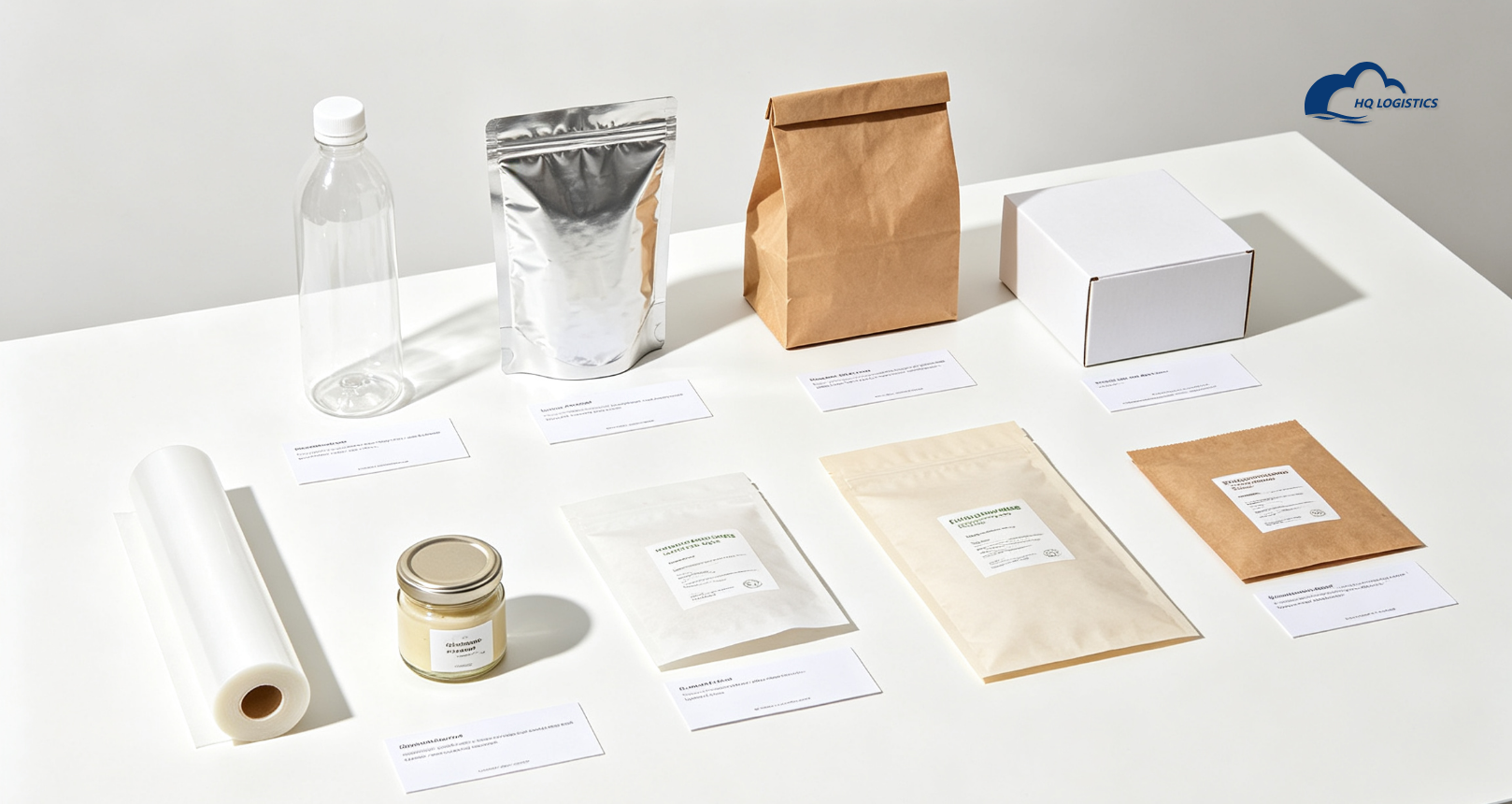
Depending on the product and destination, ecommerce brands can explore options such as:
Recycled Paper | Cardboard | Paper-Based Mailers | Recyclable Materials | Reduced-Plastic Packaging
The key is to balance sustainability with product protection.
A package that looks environmentally friendly but results in damaged products isn't necessarily a better supply chain solution.
A better approach is:
Use the right material for the right product.
One of the simplest ways to create a greener packaging strategy is to use less packaging.
Many ecommerce orders contain more material than necessary.
For example:
Product → Plastic Bag → Box → Inner Box → Extra Filling → Shipping Carton
In some cases, this can be simplified.
A more efficient structure could be:
Product → Protective Packaging → Right-Sized Shipping Package
Reducing unnecessary packaging can potentially help brands lower:
Material Usage | Package Size | Shipping Volume | Packaging Costs
It can also create a cleaner unboxing experience.
For growing brands, packaging optimization should therefore be considered alongside fulfillment and shipping.
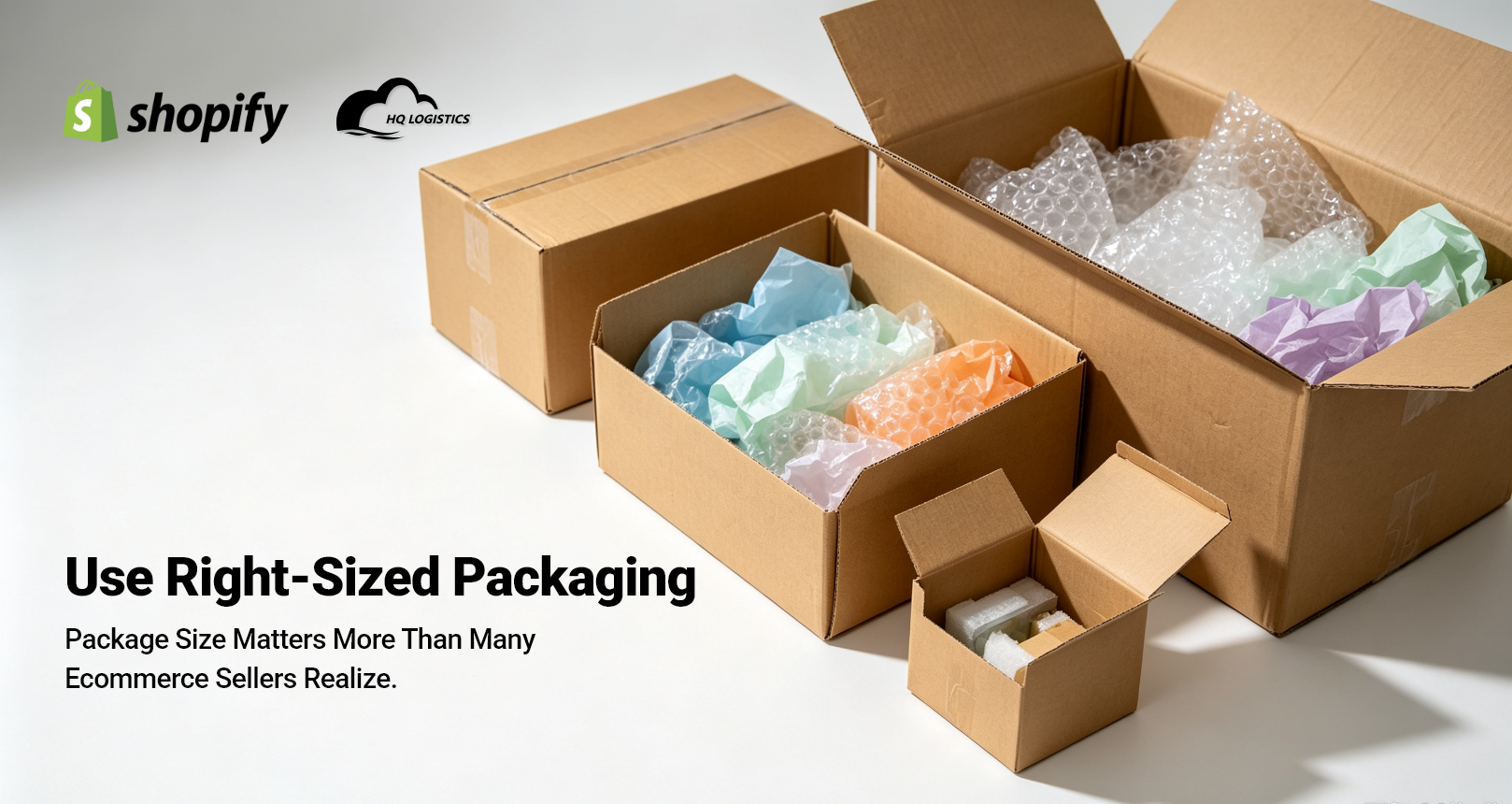
Package size matters more than many ecommerce sellers realize.
If a small product is shipped in a much larger box, the brand may be paying to transport unnecessary space.
For example:
Small Product + Oversized Box = More Empty Space
A better approach is:
Small Product + Right-Sized Packaging = More Efficient Shipment
Right-sized packaging can help optimize:
Storage Space | Packing Efficiency | Shipping Volume | Material Usage
This becomes especially important when order volume increases.
Imagine shipping 100 orders per day.
Then imagine shipping 1,000 orders per day.
Small packaging inefficiencies can become much more significant at scale.
That's why growing ecommerce brands should review packaging before entering high-volume sales periods such as:
Black Friday | Cyber Monday | Christmas | Seasonal Promotions
Eco-friendly packaging doesn't have to look generic.
For growing ecommerce brands, packaging can combine:
Sustainability + Brand Identity
For example, brands can customize:
Logo | Brand Colors | Thank-You Cards | Inserts | Product Labels | Hangtags | Packaging Design
This allows the packaging to become part of the customer's experience.
Instead of receiving:
A Generic Package
customers receive:
A Branded Unboxing Experience
For European markets, brands can also explore suitable eco-friendly packaging options while maintaining their visual identity.
The key is to make sure packaging choices are appropriate for the product, destination, and applicable requirements.
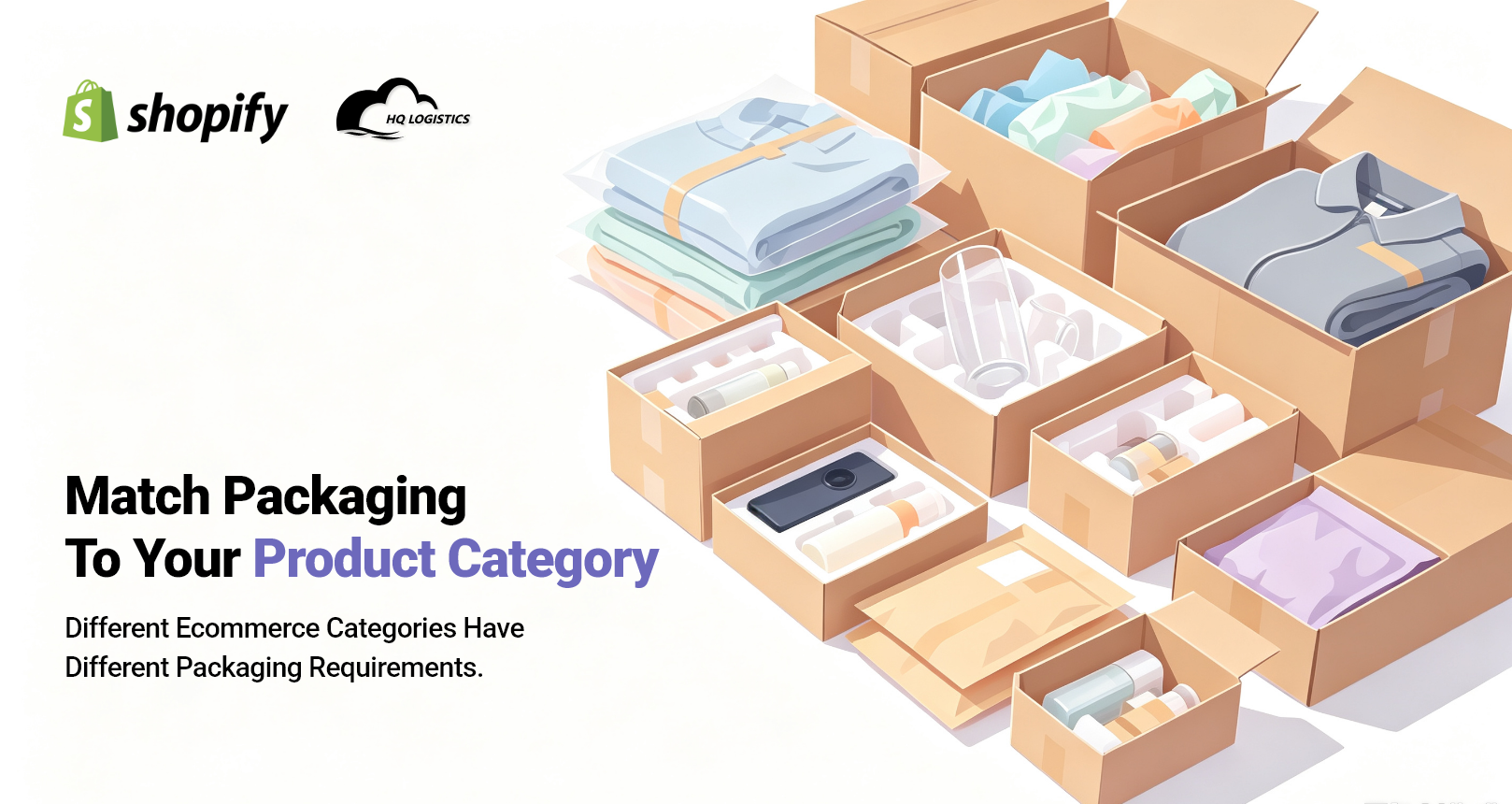
Different ecommerce categories have different packaging requirements.
A greener packaging strategy should therefore start with the product.
Baby products may require careful consideration of:
Product Protection | Material Selection | Clean Packaging | Product Information
Packaging should protect the product without creating unnecessary layers.
Pet products may need packaging that balances:
Durability | Product Size | Protection | Shipping Efficiency
For larger or heavier products, packaging design can have a significant impact on logistics.
Beauty products can benefit from packaging that provides:
Protection | Brand Presentation | Compact Dimensions | Better Unboxing
Small electronic products may require additional protection against:
Impact | Moisture | Scratches | Transportation Damage
This is why sustainable packaging shouldn't be treated as a simple material swap.
The right solution depends on:
Product + Protection Requirements + Destination + Shipping Method
One common mistake is treating packaging as something that happens after sourcing.
For a growing brand, packaging should be part of the fulfillment workflow.
A stronger process can look like:
Product Sourcing → Supplier Confirmation → Quality Inspection → Packaging Preparation → Warehouse Storage → Pick & Pack → Shipping → Customer Delivery
This approach allows brands to coordinate product sourcing, quality control, packaging, and fulfillment more efficiently.
It can also reduce the need to manually manage packaging changes between different suppliers or warehouses.
For brands working with multiple products, this becomes even more important.
Eco-friendly packaging is only one part of a greener ecommerce strategy.
The bigger opportunity is to optimize the entire supply chain.
Consider:
Where are products sourced?
How are they packaged?
Where are they stored?
How far do they travel?
Which shipping route is used?
Can inventory be positioned closer to customers?
For example, a growing European ecommerce brand could use:
China Sourcing → Quality Control → Eco-Friendly Packaging → EU Warehouse → Local EU Fulfillment
Instead of shipping every order individually from China, proven products can potentially be pre-stocked in an EU warehouse.
This can help brands create a more structured fulfillment model as European order volume grows.
The important point is that packaging and logistics should be planned together.
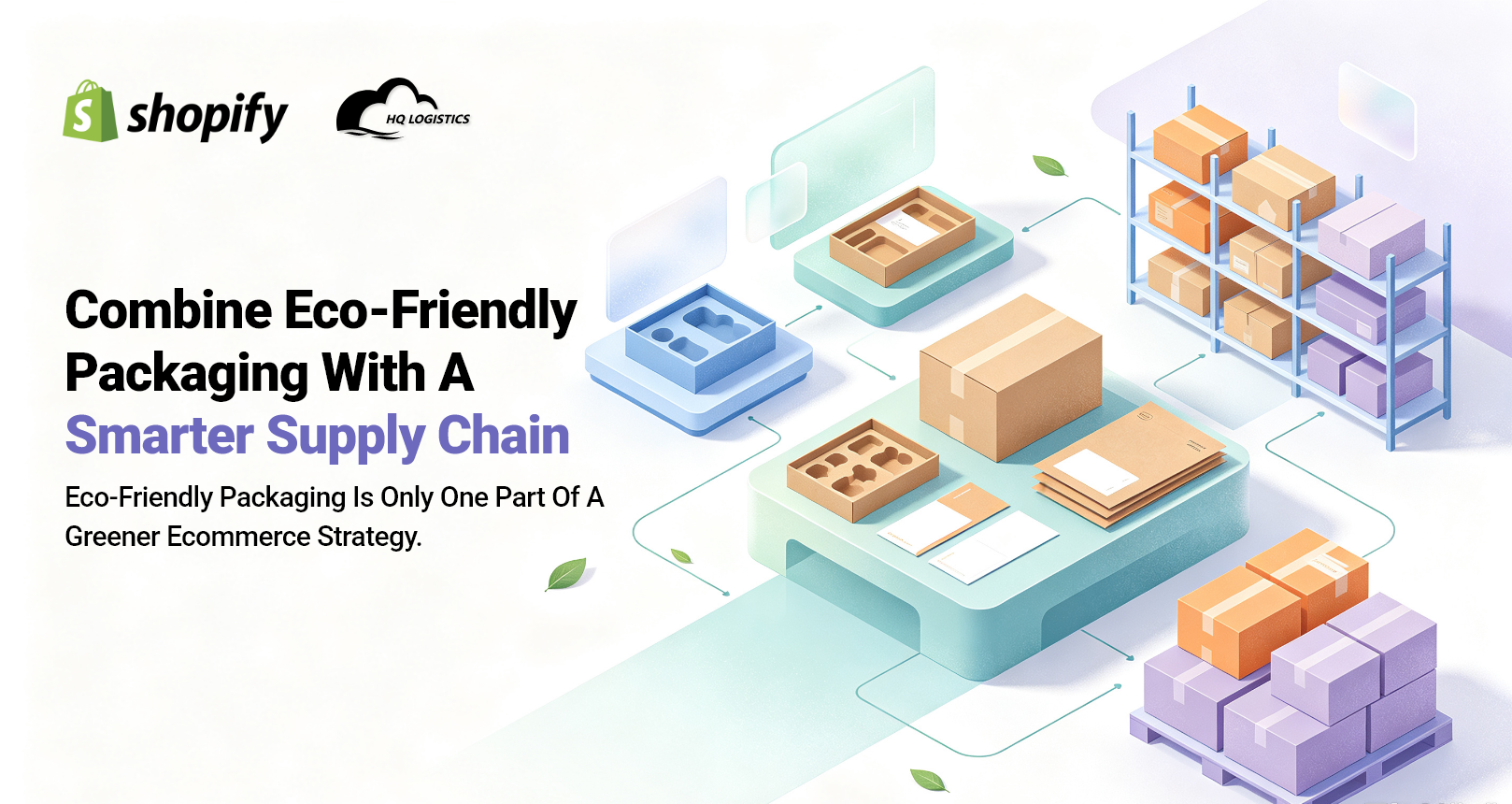
For brands selling across multiple European markets, centralized EU inventory can make packaging and fulfillment easier to coordinate.
For example:
China → EU Warehouse → France
China → EU Warehouse → Germany
China → EU Warehouse → Italy
China → EU Warehouse → Spain
Instead of managing completely separate packaging and fulfillment processes for every destination, brands can develop a standardized packaging strategy that works across multiple EU markets.
This can be especially useful for brands with:
Stable Bestsellers | Predictable European Demand | Multiple EU Markets | Custom Packaging Requirements
A hybrid strategy can also work well:
New Products → China Fulfillment
Proven Products → EU Warehouse
This allows brands to maintain flexibility while building a more localized European fulfillment strategy.
Before choosing packaging, ask these questions.
Don't reduce protection just to reduce packaging.
Check whether unnecessary empty space can be removed.
Look for ways to simplify packaging layers.
Your packaging should match your visual identity and customer experience.
Custom packaging is only useful if it can be produced reliably at scale.
Make sure the warehouse can store, pick, pack, and ship the packaging efficiently.
Consider your customers, destinations, product categories, and applicable local requirements.
The best packaging isn't necessarily the cheapest or the most sustainable-looking option.
It's the one that provides the right balance of:
Protection + Cost + Efficiency + Branding + Sustainability
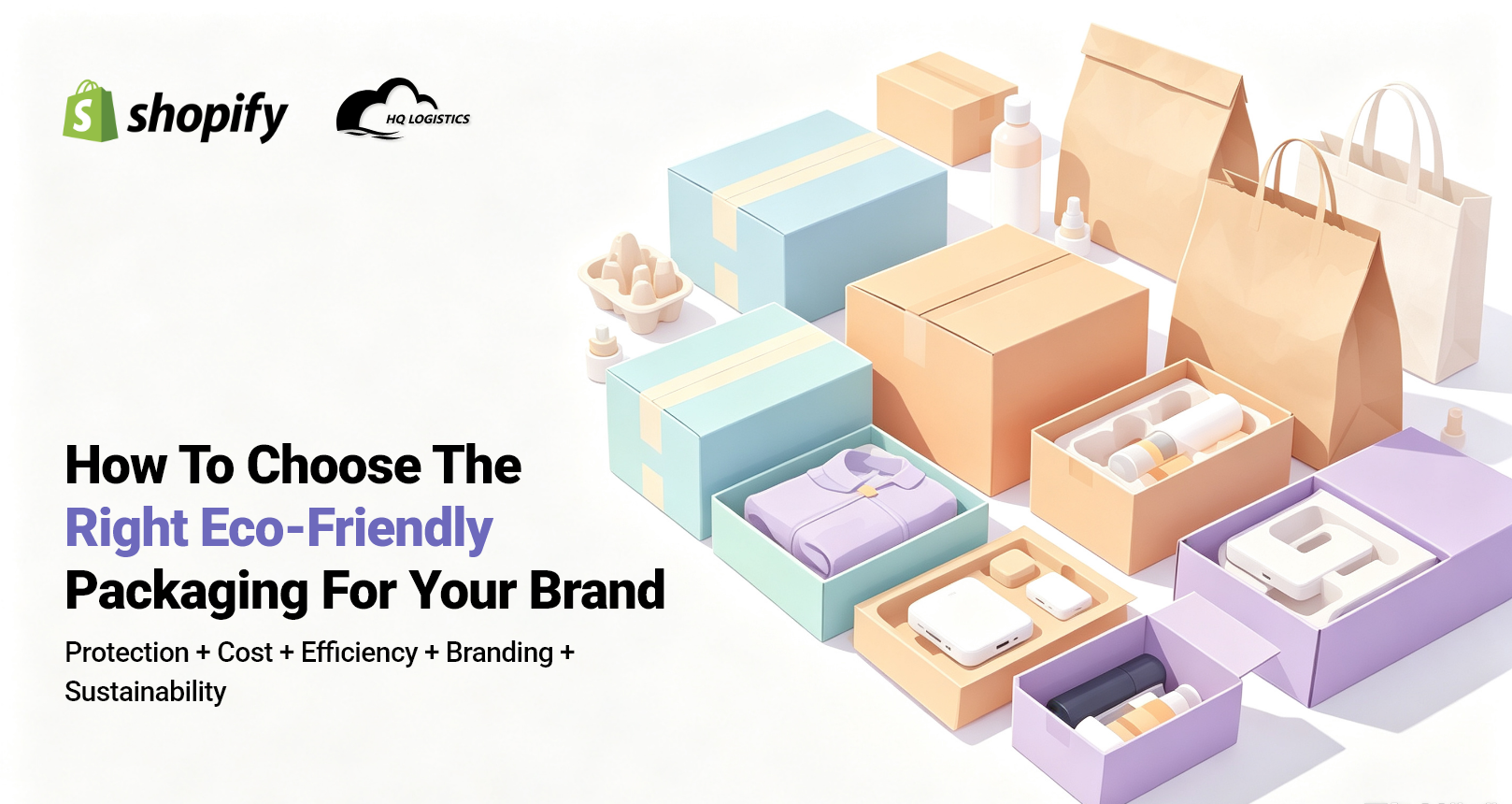
Building a greener supply chain doesn't mean simply choosing a "green" package.
There are several mistakes brands should avoid.
Large packages can create unnecessary material and shipping inefficiencies.
More packaging doesn't automatically mean better protection.
If products arrive damaged, the environmental and financial cost can increase.
Custom packaging requires planning.
Waiting until Q4 can create unnecessary pressure.
Multiple suppliers can create inconsistent packaging and customer experiences.
Packaging should be compatible with your fulfillment workflow.
A good packaging strategy should work from:
Supplier → Warehouse → Fulfillment → Customer
You may want to review your packaging strategy when:
Generic packaging may no longer match your brand positioning.
Small packaging inefficiencies become more expensive at scale.
Different markets may require a more thoughtful packaging strategy.
Packaging becomes part of the overall product experience.

Peak-season order volume makes packaging efficiency more important.
Your packaging process should be ready before inventory is transferred overseas.
This can be a signal to review your packaging materials and overall supply chain.
For ecommerce brands that want to build a more branded and flexible supply chain, HQ can connect packaging with sourcing and fulfillment.
Find suitable products and supplier options based on your requirements.
Inspect products before fulfillment to help reduce quality-related customer problems.
Develop branded packaging, labels, inserts, thank-you cards, and other packaging elements.
For suitable European products, eco-friendly packaging options can also be explored
based on product requirements and packaging needs.
Keep new or lower-volume products in China while testing demand.
Pre-stock proven products in an EU warehouse and fulfill orders across multiple European markets.
Access multiple supplier options to improve sourcing flexibility and reduce dependence on a single source.
Select shipping solutions based on product, destination, cost, and delivery requirements.
This creates a more connected process:
Sourcing → QC → Packaging → Warehousing → Fulfillment → Shipping
Instead of treating packaging as an isolated task, brands can make it part of their broader supply chain strategy.
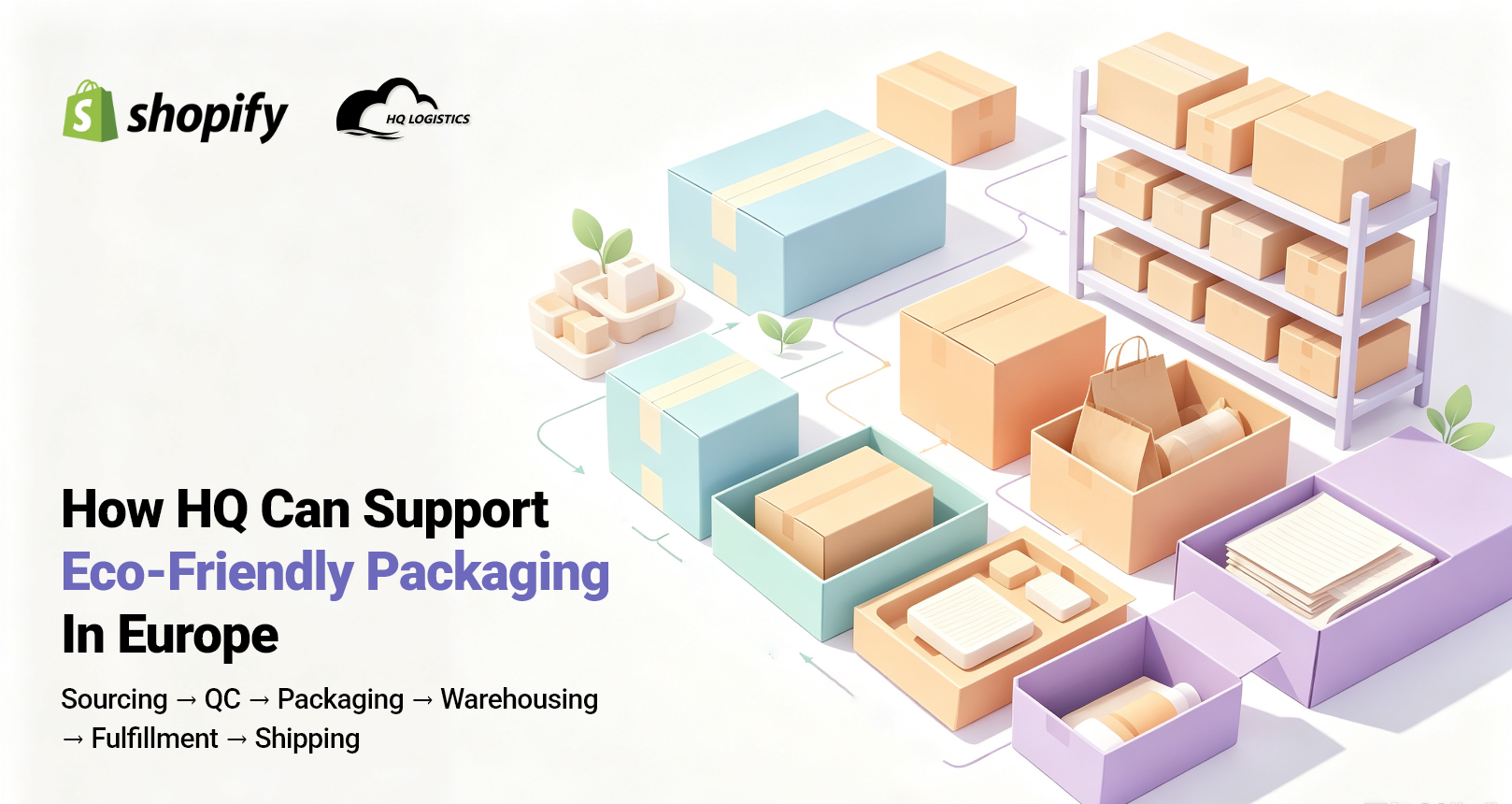
If you're not sure where to start, keep it simple.
Identify unnecessary materials and oversized packages.
Separate products based on size, fragility, weight, and protection requirements.
Compare different materials and package sizes before making a large change.
Introduce logos, inserts, labels, or other appropriate customization.
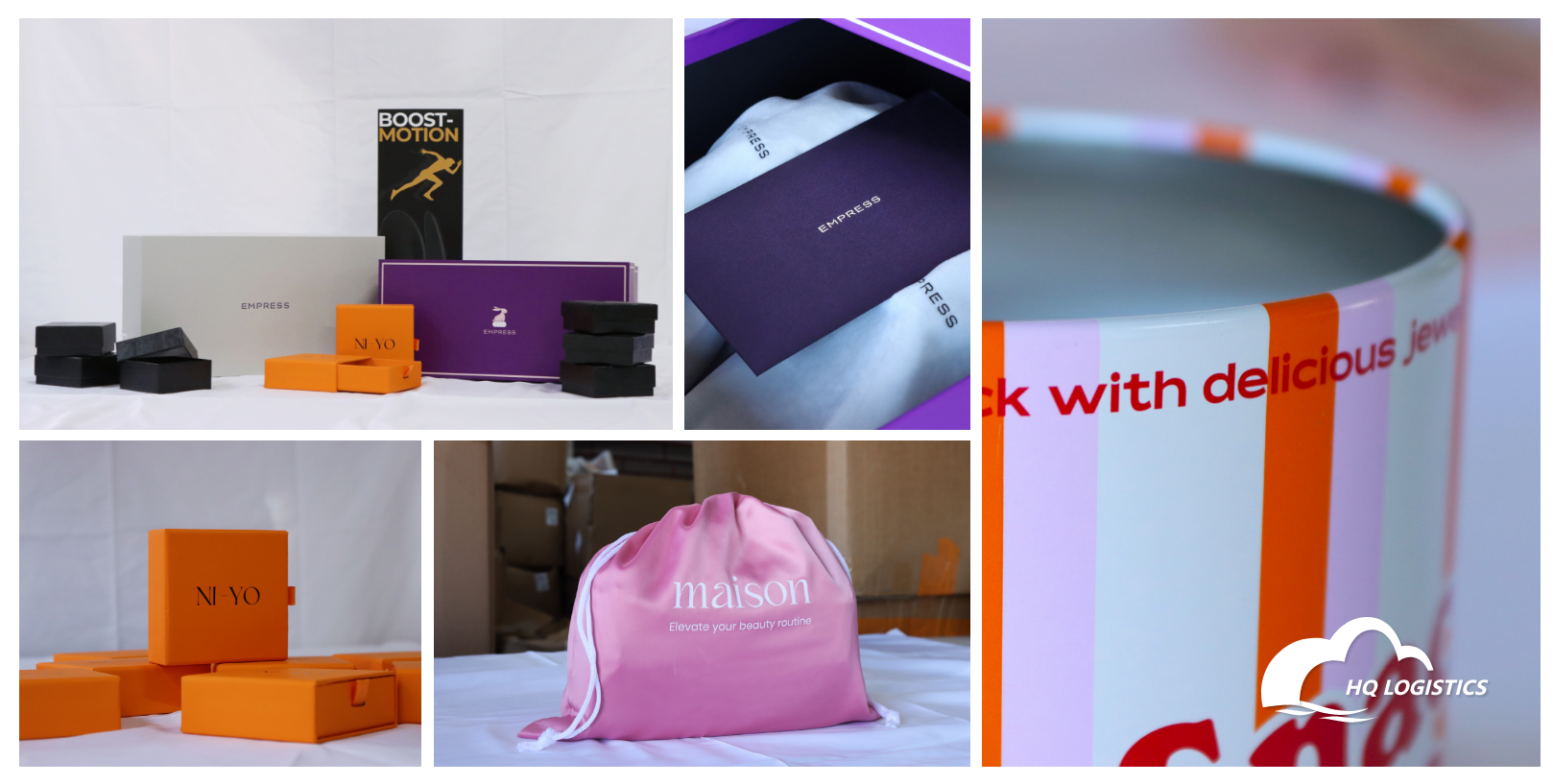
Make sure packaging can be produced consistently.
Ensure the warehouse can store and use the packaging efficiently.
For proven products, consider whether EU warehousing makes sense for your business.
This gives you a practical path from:
Generic Packaging → Custom Packaging → More Efficient Packaging → Stronger Brand Experience
For ecommerce brands selling in Europe, eco-friendly packaging can be more than a sustainability initiative.
It can become part of a broader strategy for:
Brand Building | Customer Experience | Packaging Efficiency | Fulfillment | Supply Chain Optimization
The key is not to change packaging simply because "eco-friendly" sounds better.
Instead, look at the complete process.
Choose the right materials.
Reduce unnecessary packaging.
Use right-sized packages.
Build your brand into the packaging.
Match packaging to your products.
Connect packaging with fulfillment.
Consider EU warehousing for proven products.
A greener supply chain doesn't have to be complicated.
Start with one product.
Test one packaging solution.
Measure the results.
Then scale what works.
For growing ecommerce brands, the goal isn't simply to use different packaging.
It's to build a smarter supply chain that is better for your brand, your operations, and your customers.
Eco-friendly packaging generally refers to packaging designed to reduce unnecessary material use or environmental impact, such as using recyclable, recycled, reusable, or more efficiently designed materials where appropriate.
Not necessarily. Packaging should first provide sufficient protection for the product. The right solution depends on product size, weight, fragility, transportation requirements, and destination.
Yes. Ecommerce brands can explore custom packaging options that combine brand elements such as logos, inserts, labels, and packaging design with more environmentally conscious material choices.
HQ can support custom packaging for ecommerce brands, and suitable eco-friendly packaging options for European products can be explored based on the product and packaging requirements.
You can. Packaging can be prepared during the sourcing and fulfillment process, allowing brands to use customized packaging before products are shipped internationally.
EU warehousing can be part of a more efficient European fulfillment strategy, particularly for proven products with stable demand. However, the best inventory model depends on order volume, product demand, shipping costs, and the brand's overall supply chain.
A packaging upgrade can make sense when your order volume increases, your brand becomes more established, you're entering European markets, you're launching custom products, or you're preparing for high-volume periods such as Q4.
📩Email: zoye@fulfllment-cn.com
PREVIOUS RECOMMENDATIONS


Eco-Friendly Packaging in Europe, eco-friendly packaging, sustainable packaging for ecommerce, eco packaging Europe, eco-friendly packaging for Shopify, sustainable ecommerce packaging, custom eco-friendly packaging, European ecommerce packaging, green supply chain, sustainable supply chain, EU fulfillment, EU warehouse, ecommerce fulfillment, custom packaging, Shopify fulfillment, sustainable packaging solutions, Learn 7 ways ecommerce brands can use eco-friendly packaging in Europe to reduce unnecessary packaging, strengthen their brand, improve fulfillment efficiency, and build a greener supply chain.




Customer's favorable comments is our eternal motivation. We feel grateful for all the support and company.

Lorem ipsum dolor sit amet, consetetur sadipscing elitr, sed diam nonumy eirmod tempor invidunt ut labore et dolore magna aliquyam erat, sed diam voluptua.