
For a growing U.S. home brand, finding products is only the beginning.
The real challenge starts when your product catalog becomes more complicated.
A smart home device may contain a battery. A cleaning product may contain alcohol. A home fragrance product may have ingredients that require additional shipping consideration. A hardware product may contain magnets or other restricted components.
These details may look small when you are choosing products.
But they can become major fulfillment problems when an order needs to cross borders.
That is why growing home brands need more than a basic supplier or 3PL warehouse.
They need a supply chain partner that understands sourcing, product requirements, quality control, packaging, inventory, fulfillment, and logistics as one connected process.
This is where a 4PL supply chain partner can make a difference.
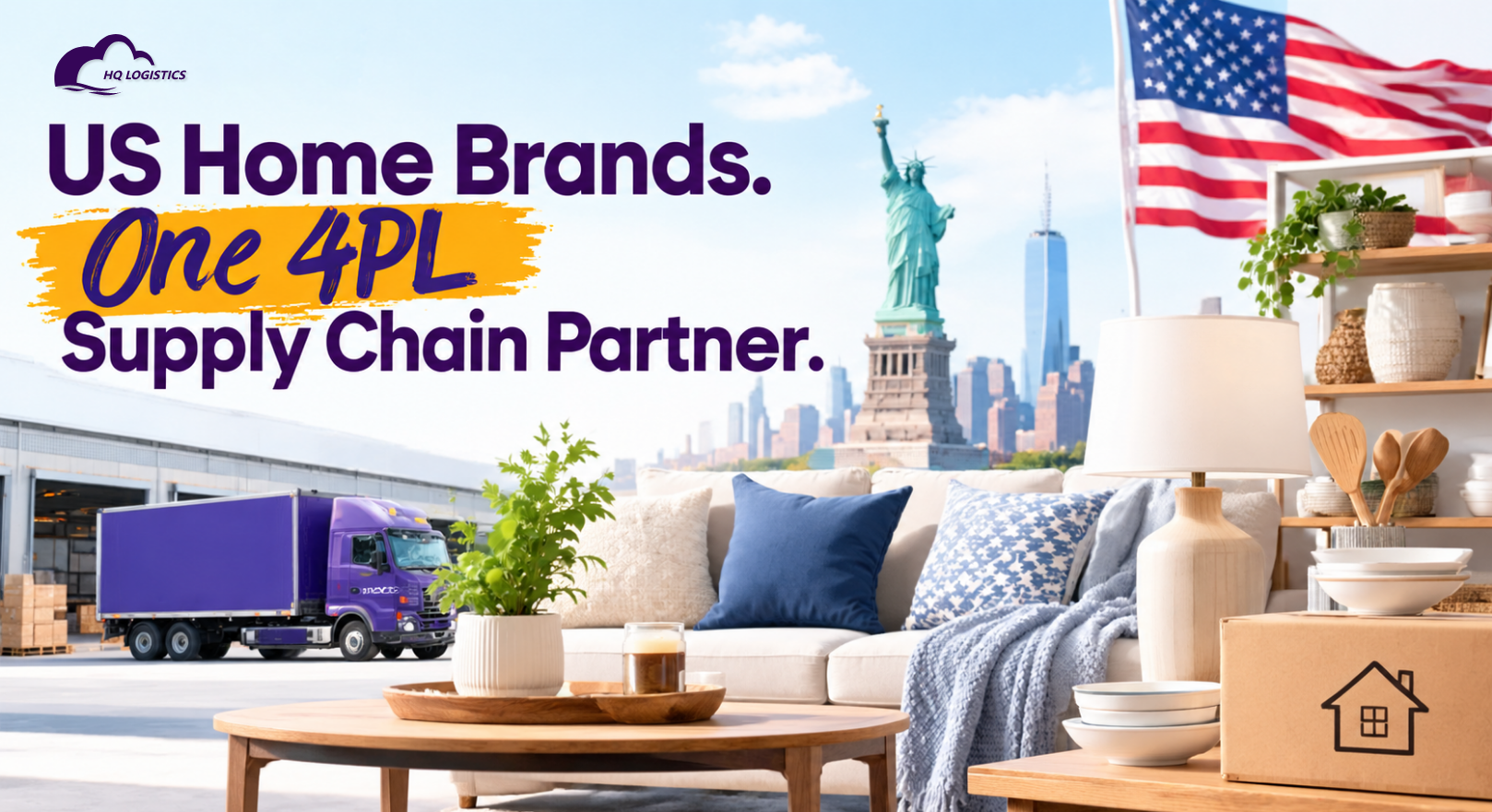
Home products can look simple from a customer's perspective.
A smart lamp is a home product.
A cleaning spray is a home product.
A scented product is a home product.
A magnetic cabinet accessory is a home product.
But from a logistics perspective, these products can be very different.
Some may contain batteries. Some may contain liquids or specific ingredients. Others may have magnets or components that require special packaging or transportation requirements.
This means a product that looks completely normal in an online store may not be suitable for every logistics channel.
For U.S. home brands sourcing products internationally, understanding these requirements before placing large orders can help reduce unexpected fulfillment problems.
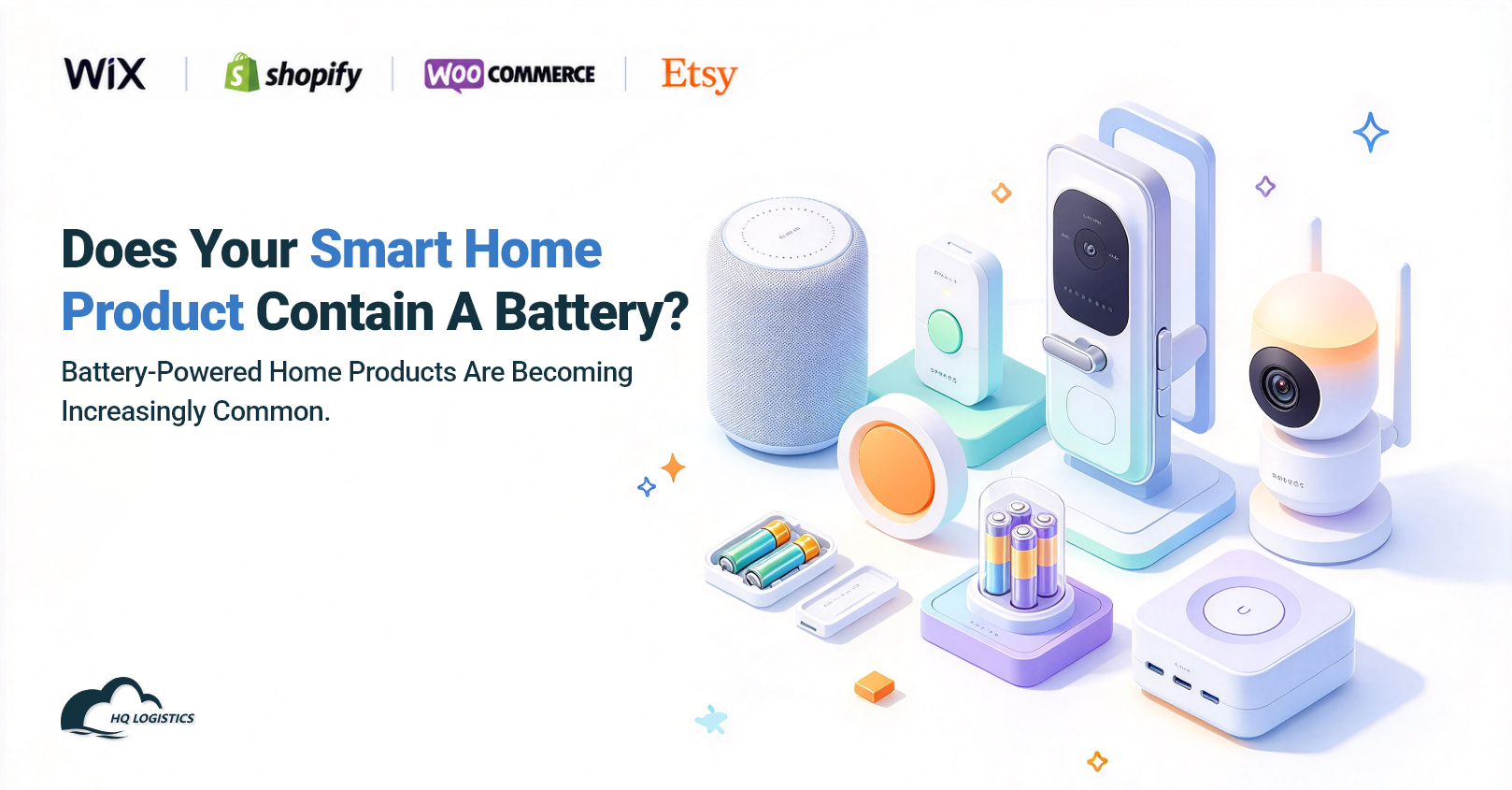
Battery-powered home products are becoming increasingly common.
Think about smart lights, rechargeable lamps, electronic organizers, sensors, small appliances, and other connected home products.
Before choosing a shipping route, brands should know exactly what type of battery the product contains, where the battery is installed, how it is packaged, and what transportation requirements apply.
A product description that simply says "electronic home product" is not enough for logistics planning.
The product itself needs to be reviewed.
For a growing brand, this should happen during sourcing—not after hundreds of units have already arrived at the warehouse.
Home fragrance is another category where product details matter.
Candles, diffusers, fragrance products, cleaning products, and other household items can have different ingredients and transportation requirements.
For example, a brand may ask:
Does this fragrance product contain alcohol?
Does this cleaning product contain a restricted ingredient?
Does the product require special packaging?
Can the product use the shipping channel we normally use?
These questions may not be part of the initial product sourcing conversation.
But they can directly affect fulfillment.
A 4PL partner can bring logistics considerations into the sourcing process earlier, rather than treating them as a problem after the product has been selected.
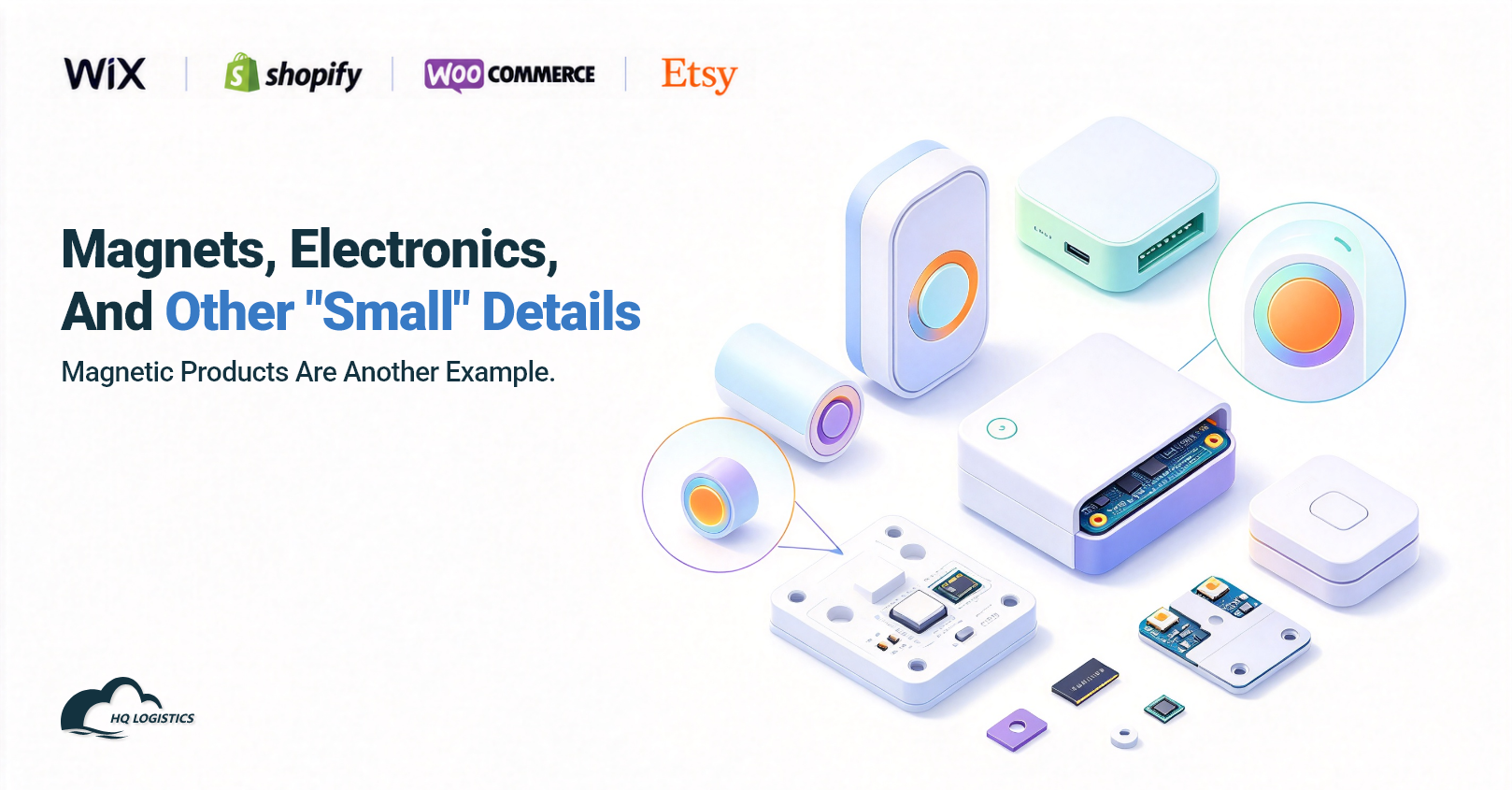
Magnetic products are another example.
Many home products can contain magnets, including cabinet accessories, magnetic organizers, electronic products, and household tools.
Again, the product itself may not look unusual.
But the transportation requirements can be different depending on the product configuration, packaging, and destination.
This is why a scalable supply chain should not simply ask:
"Can we source this product?"
It should also ask:
"Can we source, package, store, and ship this product through an appropriate logistics channel?"
That is a much more complete supply chain question.
HQ has experience handling products that require additional logistics consideration.
For example, HQ has a dedicated special-cargo route in Europe that has been upgraded to support categories including cosmetics, supplements, non-white powders, kitchen knives with a total length of 30 cm or less, lighters without gas, electronic products with built-in batteries, and magnetic products with insulated packaging.
This route is primarily designed for Europe, not the U.S.
However, it demonstrates an important part of HQ's fulfillment approach: product eligibility and logistics requirements are considered at the category level rather than treating every product as standard cargo.
For U.S. home brands, that experience is valuable when evaluating products before they enter the fulfillment process.
The exact acceptance and shipping requirements always depend on the product, destination, packaging, and selected logistics channel.
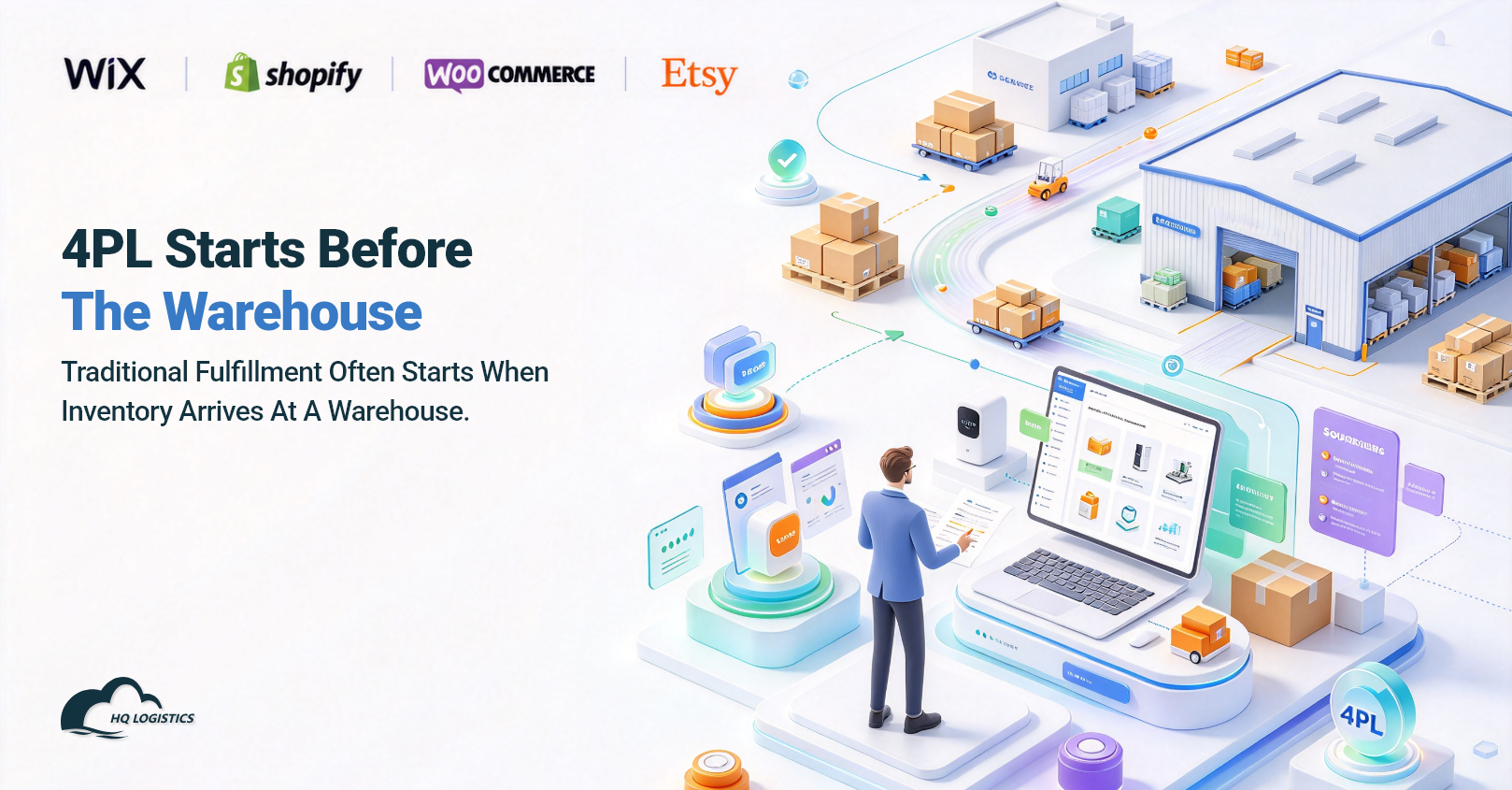
Traditional fulfillment often starts when inventory arrives at a warehouse.
A 4PL approach starts earlier.
It can begin with product sourcing.
When a home brand is considering a new product, the supply chain partner can look at more than factory pricing.
The review can include product specifications, supplier capabilities, quality requirements, packaging, transportation considerations, and destination markets.
This creates a more connected workflow:
Source → Review → Optimize → Inspect → Package → Store → Fulfill → Ship
Instead of discovering a logistics problem after inventory has already been purchased, the brand can consider fulfillment requirements earlier.
Growing home brands often work with more than one supplier.
One factory may produce smart lighting products.
Another may produce organizers.
Another may manufacture kitchen accessories.
Another may handle home fragrance products.
Managing these suppliers separately can create additional communication and operational work.
A 4PL partner can help coordinate sourcing, supplier communication, quality inspection, inventory movement, packaging, and fulfillment across multiple product lines.
This is especially useful when the product catalog becomes more complex.
The goal is not necessarily to reduce the number of suppliers.
The goal is to make the overall supply chain easier to manage.
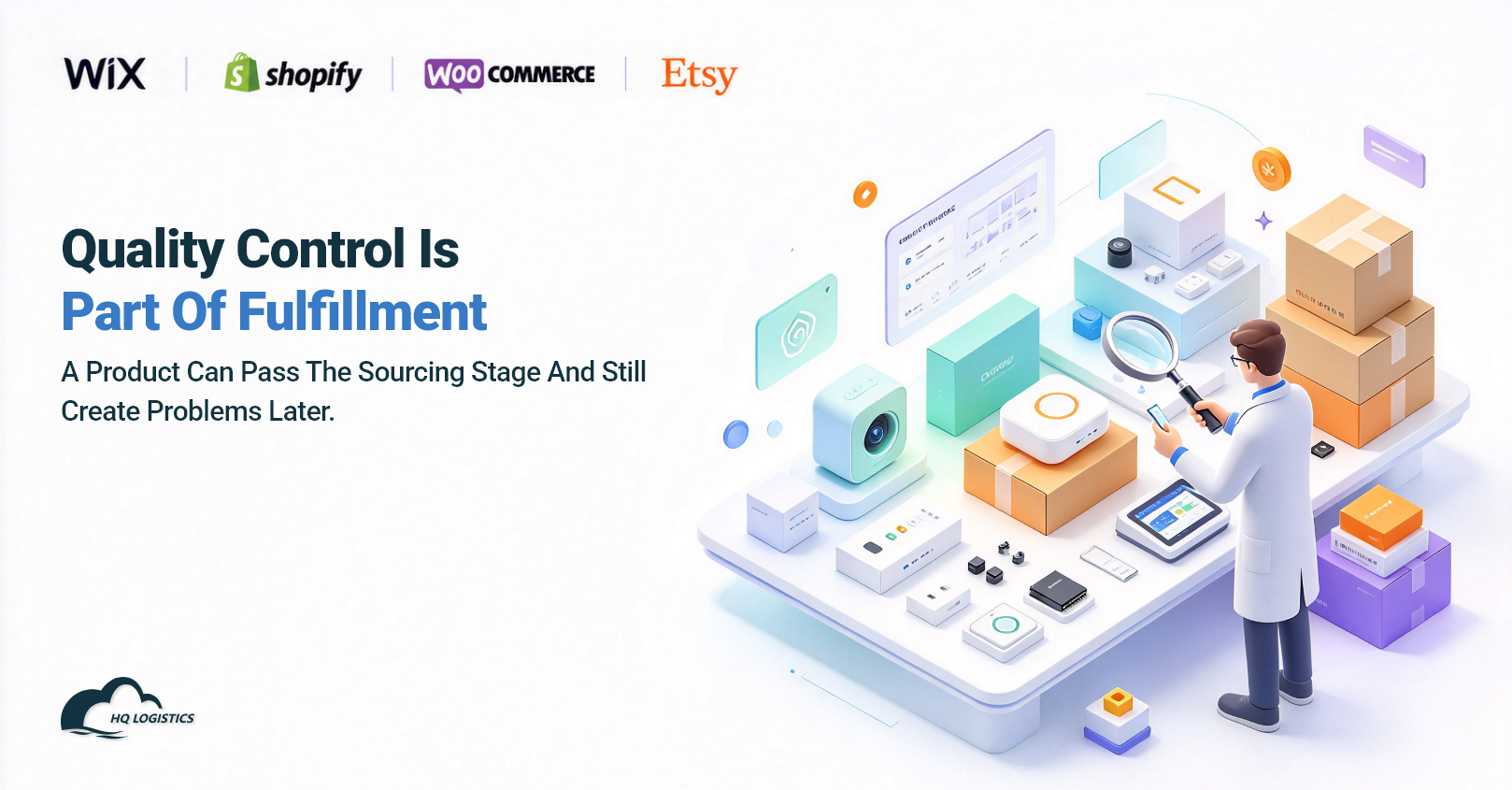
A product can pass the sourcing stage and still create problems later.
A batch of electronic products may have inconsistent components.
A home accessory may arrive with scratches.
A product may have incorrect dimensions.
Packaging may not provide enough protection for international shipping.
For home brands, quality control should therefore be connected to fulfillment.
HQ can provide product inspection before inventory enters the fulfillment process, helping brands identify quality or quantity issues earlier.
This becomes even more important for products with multiple components or more complicated specifications.
Packaging is another area where home brands can benefit from an integrated supply chain.
A fragile home décor product may need additional protection.
A compact electronic product may require packaging that protects both the product and its components.
A branded lifestyle product may need custom boxes, inserts, labels, or thank-you cards.
At the same time, packaging affects shipping dimensions and costs.
A 4PL partner can help connect product specifications with packaging decisions instead of treating packaging as a completely separate process.
For eligible brands processing 50+ orders per day, HQ can provide free custom packaging support.
This can help growing home brands build a more consistent customer experience while keeping packaging connected to fulfillment.
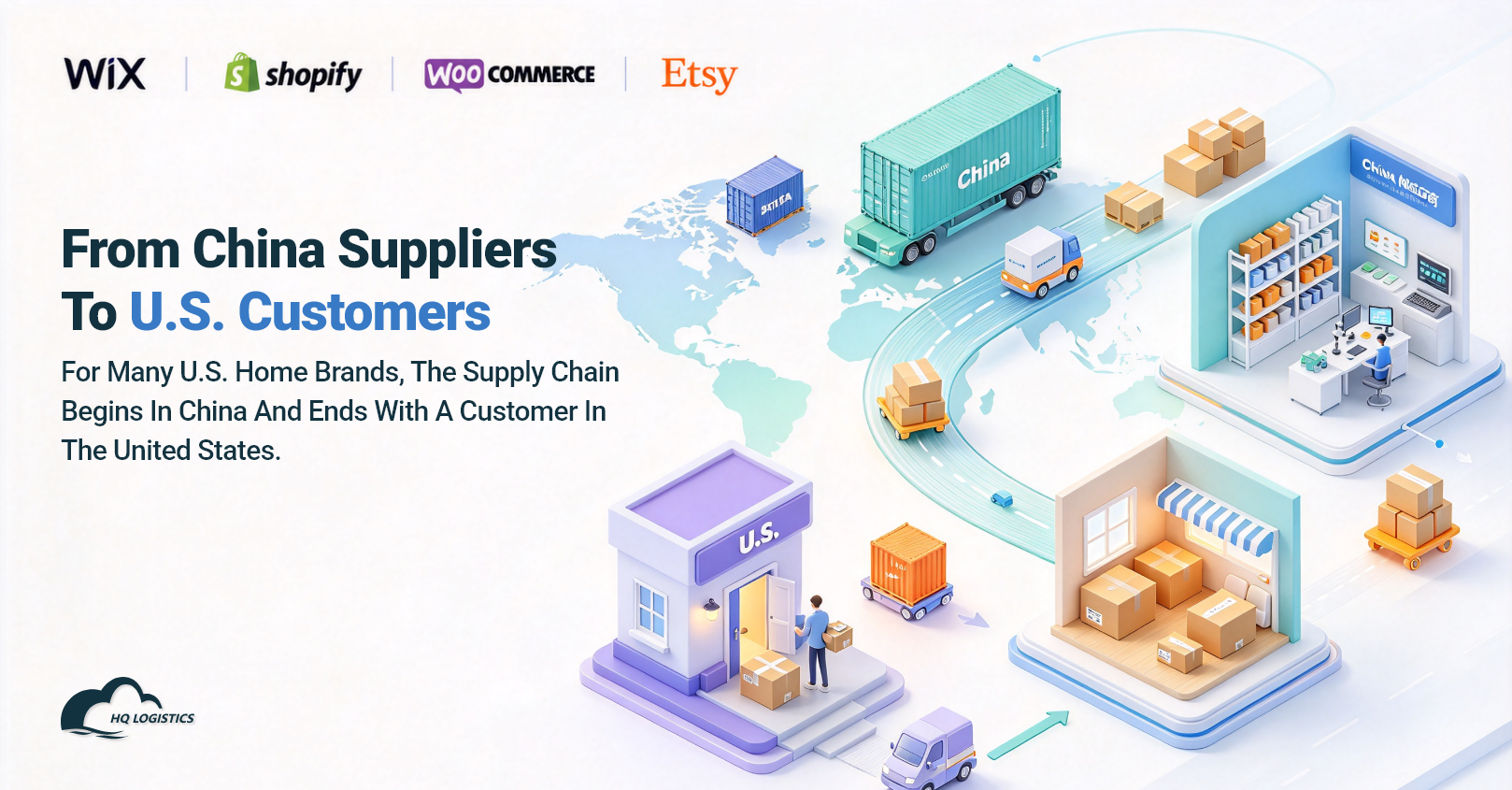
For many U.S. home brands, the supply chain begins in China and ends with a customer in the United States.
Between those two points are many decisions.
Which supplier should produce the product?
What quality standards should be checked?
Does the product require special handling?
How should it be packaged?
Where should inventory be stored?
Which shipping channel is appropriate?
How quickly can orders be processed?
How can the supply chain handle higher order volume?
A 4PL partner brings these questions into one supply chain conversation.
Instead of managing sourcing, fulfillment, and logistics independently, brands can work with one partner across multiple stages.
Home product demand can change quickly during promotional periods and seasonal shopping.
This is when small logistics issues can become larger problems.
A product may sell faster than expected.
A supplier may need more production time.
Inventory may run low.
A special-cargo product may have fewer available shipping options.
Custom packaging may need additional preparation time.
Shipping capacity may become tighter.
For this reason, home brands should review their products and logistics setup before demand increases.
Ask:
Does every product have an appropriate fulfillment route?
Are battery-powered products properly identified?
Do liquids or fragrance products require additional review?
Are magnetic products packaged appropriately?
Can suppliers handle higher production volumes?
Can the fulfillment operation process the expected order volume?
These questions can reveal supply chain risks before they affect customers.
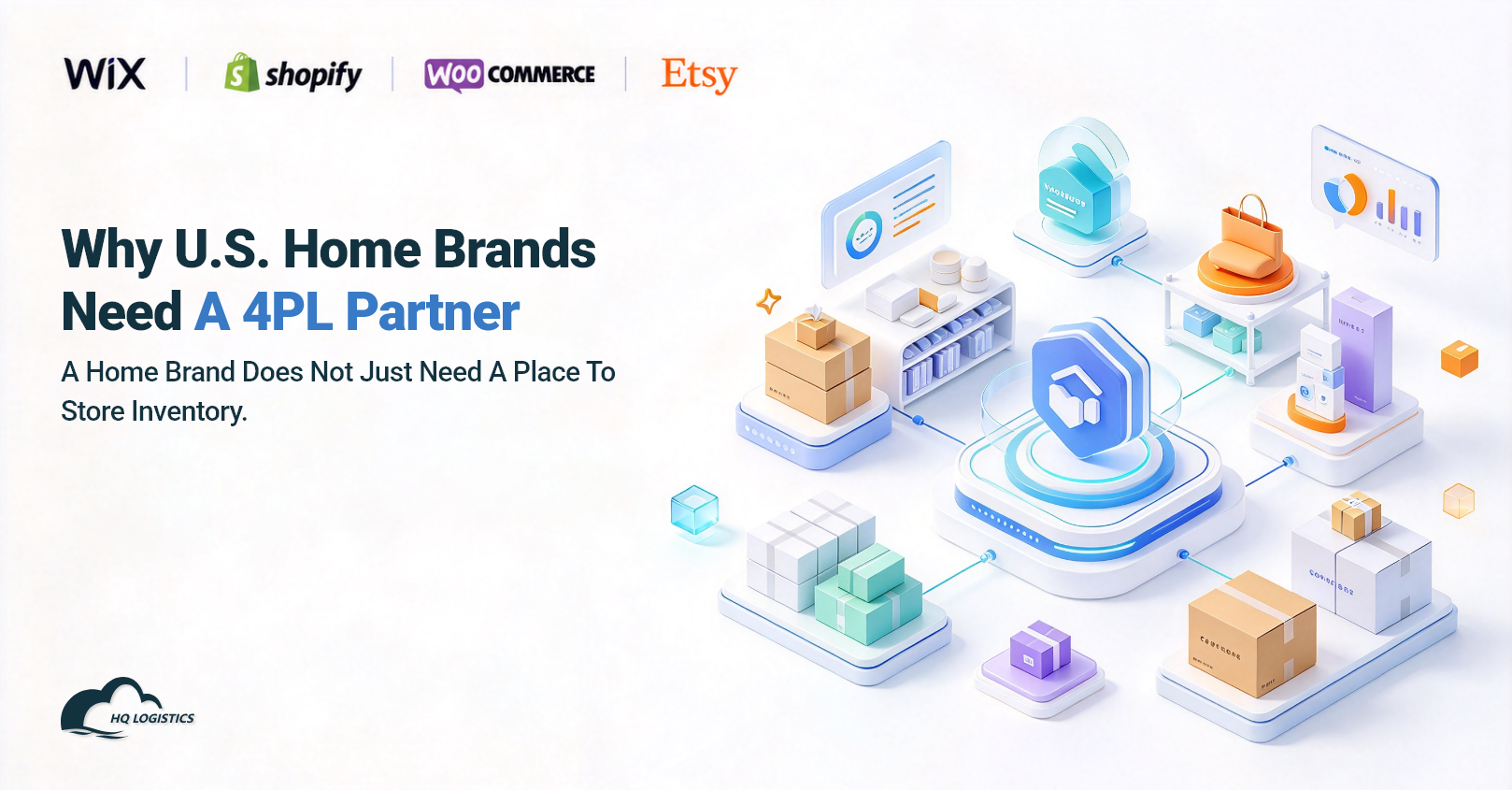
A home brand does not just need a place to store inventory.
It needs a supply chain that can adapt as the product catalog and order volume grow.
A 4PL model connects the pieces.
Source
— Find suitable factories and products.
Optimize
— Review costs, specifications, packaging, and logistics requirements.
Manage
— Coordinate suppliers, inventory, and quality control.
Fulfill
— Pick, pack, and process customer orders.
Scale
— Support higher order volumes and broader product catalogs.
This is the difference between simply outsourcing fulfillment and building a more coordinated supply chain.
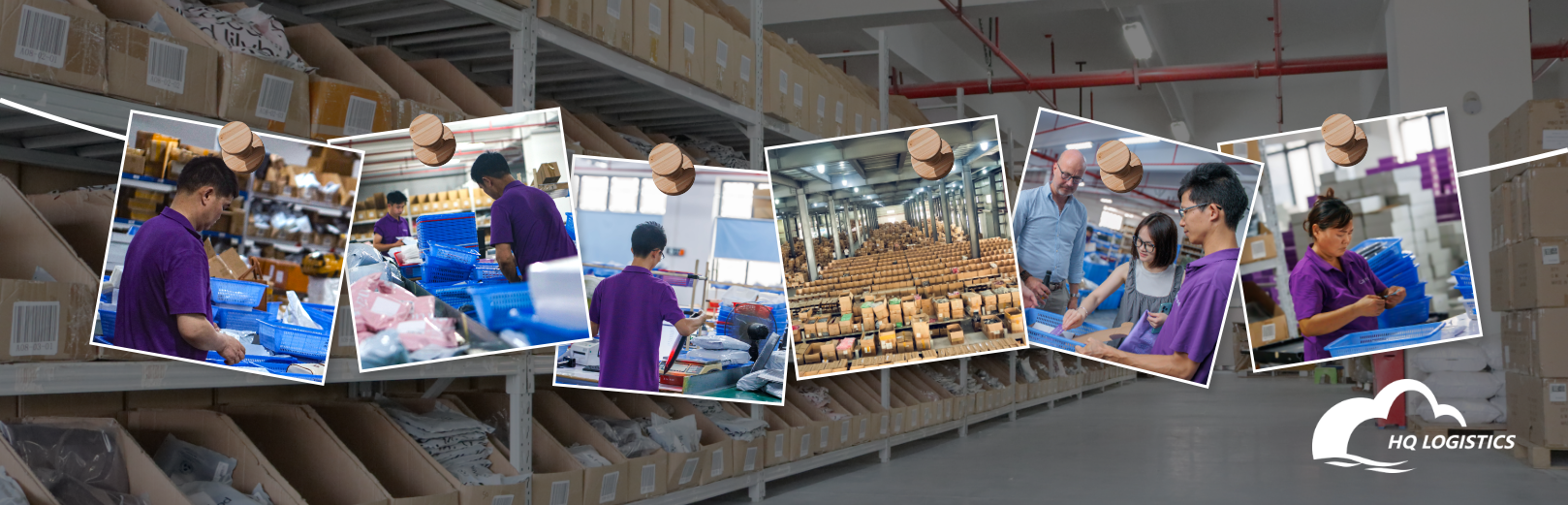
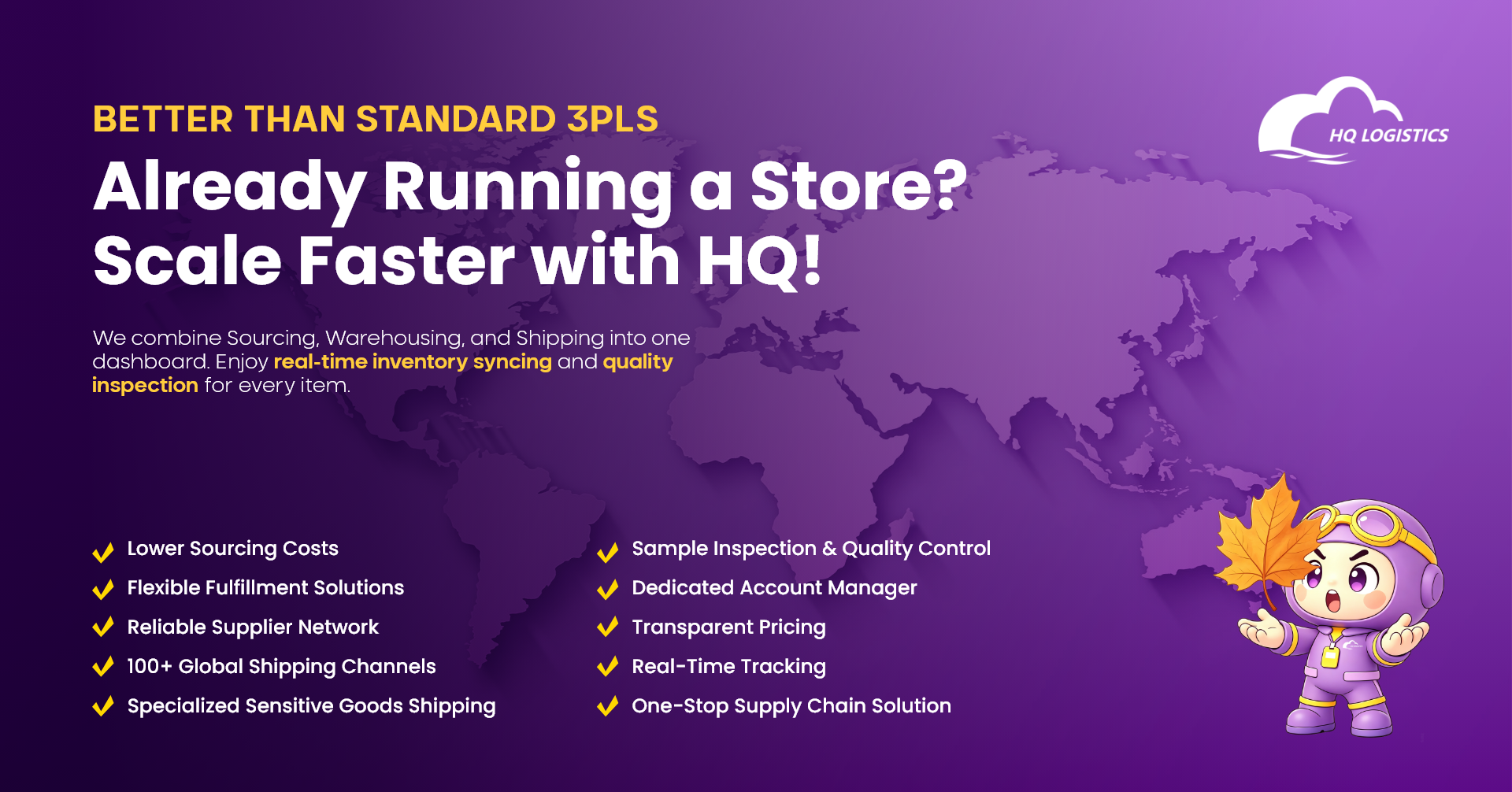
HQ provides an integrated supply chain solution covering sourcing, supplier management, quality inspection, warehousing, inventory management, custom packaging, order fulfillment, and global shipping.
For eligible products and routes, HQ offers 3–8 day delivery options and fulfillment capacity of up to 20,000 orders per day.
HQ can also support custom packaging, product inspection, sourcing from multiple suppliers, and fulfillment for ecommerce brands selling through platforms such as Shopify, Wix, WooCommerce, and Etsy.
For home brands with products that require additional logistics consideration, HQ can review product specifications and shipping requirements before confirming the appropriate route.
The exact acceptance of sensitive or special-cargo products depends on the product details, destination, packaging, and logistics channel.
4PL fulfillment is a broader supply chain management model that connects sourcing, supplier management, quality control, inventory, packaging, fulfillment, and logistics instead of focusing only on warehouse operations.
Some home products may contain batteries, liquids, alcohol-based ingredients, magnets, or other components that can affect transportation and customs requirements. Reviewing these details before shipping can help reduce unexpected fulfillment issues.
Certain battery-powered products may be eligible for specific logistics channels. Acceptance depends on the product, battery specifications, packaging, destination, and shipping route, so products should be reviewed before shipment.
Some products in these categories may require additional review depending on their ingredients and transportation requirements. Product acceptance and route selection should be confirmed based on the specific product.
Yes. A 4PL partner can coordinate multiple suppliers, sourcing, quality inspection, inventory, packaging, and fulfillment, giving the brand one central supply chain partner.
For U.S. home brands, fulfillment problems often begin long before a package reaches the warehouse.
A battery, a liquid ingredient, a magnet, or a packaging specification can change how a product needs to move through the supply chain.
That is why growing brands should look beyond basic storage and shipping.
The right 4PL partner connects product sourcing, supplier management, quality control, packaging, fulfillment, and logistics into one system.
From China suppliers to U.S. customers, HQ helps home brands build a supply chain designed not only to ship today's orders, but to support tomorrow's growth.
US Home Brands. One 4PL Supply Chain Partner.
📩Email: zoye@fulfllment-cn.com
PREVIOUS RECOMMENDATIONS


4PL fulfillment for home brands, home product fulfillment, US home product fulfillment, 4PL supply chain partner, home goods fulfillment, China sourcing for home products, home product sourcing, China to US fulfillment, special cargo fulfillment, battery product fulfillment, magnetic products shipping, home fragrance shipping, ecommerce fulfillment for home brands, and home product fulfillment services.




Customer's favorable comments is our eternal motivation. We feel grateful for all the support and company.

Lorem ipsum dolor sit amet, consetetur sadipscing elitr, sed diam nonumy eirmod tempor invidunt ut labore et dolore magna aliquyam erat, sed diam voluptua.